🌵 Cane Cholla: Not an Annual
Cylindropuntia imbricata
By the Greg Editorial Team
Oct 02, 2024•6 min read
This article was created with the help of AI so we can cover more plants for you. May contain errors. See one? Report it here.
Transform your garden with Cane Cholla's stunning resilience and low-maintenance beauty! 🌵
- 🌵 Cane Cholla is a perennial cactus, thriving for years in harsh environments.
- 🌼 It flowers seasonally, attracting pollinators and ensuring long-term growth.
- 🌞 Minimal maintenance needed once established, perfect for low-care gardening.
Cane Cholla's Classification as a Perennial
🌱 Genetic and Physiological Characteristics
Cane Cholla is a remarkable perennial, thriving in harsh environments. Its long-term lifecycle includes several distinct stages, from germination to maturity, showcasing its resilience.
Long-term Lifecycle of Cane Cholla
The lifecycle of Cane Cholla spans several years, allowing it to adapt and flourish. From germination, it typically takes a few years to reach maturity, demonstrating impressive longevity even under challenging conditions.
📈 Growth Patterns Specific to Cane Cholla
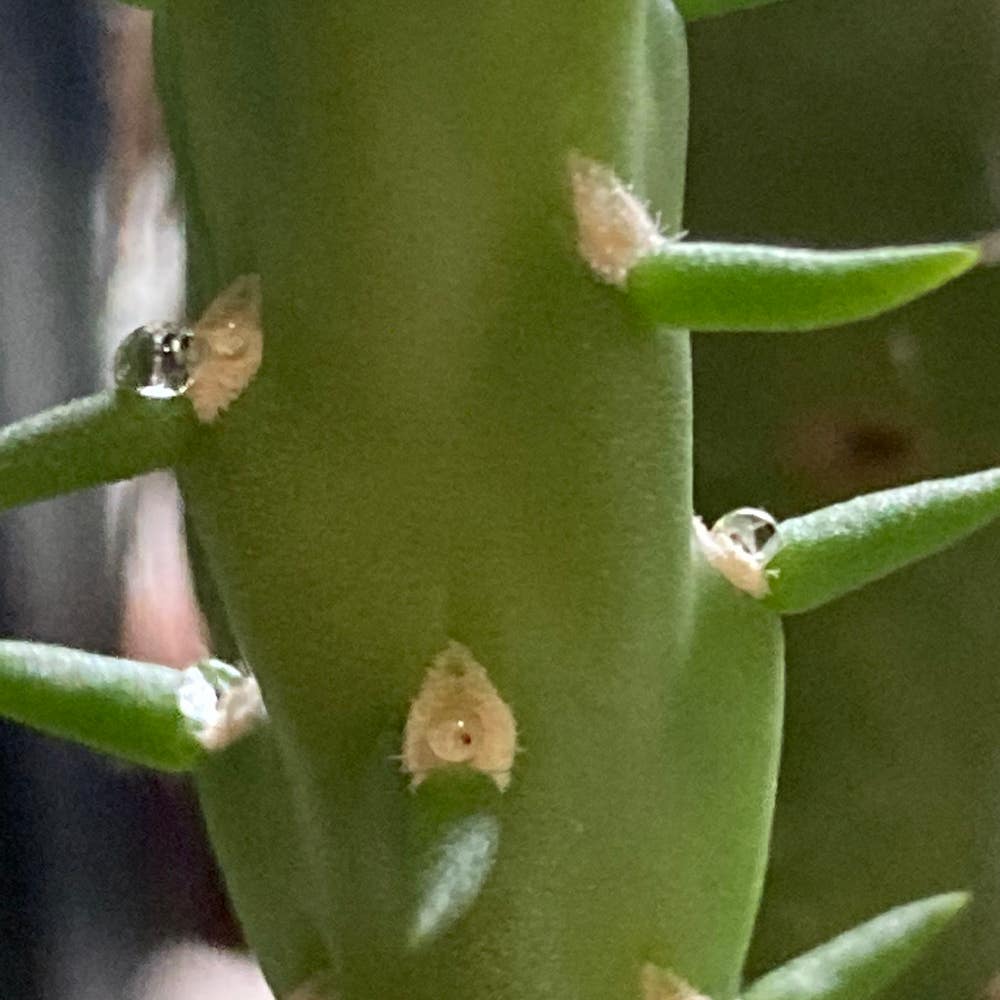
Cane Cholla features a unique segmented stem structure that sets it apart from other cacti. It can grow up to 5 feet tall, with growth rates varying seasonally based on environmental factors.
Adaptations for Survival in Arid Climates
This cactus has evolved remarkable adaptations for survival in arid climates. Its ability to store water efficiently allows it to endure prolonged dry spells, making it a champion of drought resistance.
🌼 Reproductive Strategies of Cane Cholla
Cane Cholla employs fascinating reproductive strategies to ensure its survival. Its flowering patterns are seasonal, with vibrant blooms that attract pollinators, enhancing its chances of successful reproduction.
Flowering Patterns and Timing
The blooming cycles of Cane Cholla occur at specific times of the year, often coinciding with favorable weather conditions. These colorful flowers not only beautify the landscape but also play a crucial role in attracting bees and other pollinators.
Seed Production and Dispersal Mechanisms
Once pollinated, Cane Cholla develops fruit that contains seeds. The seeds are viable for several years, ensuring that even in less-than-ideal conditions, the potential for new growth remains.
Cane Cholla's classification as a perennial highlights its unique adaptations and reproductive strategies. Understanding these characteristics is essential as we explore how they compare to true annuals in the next section.
Lifecycle Comparison
Differences Between Cane Cholla and True Annuals 🌵
Cane Cholla, as a perennial, boasts a significantly longer lifecycle compared to true annuals. While annuals complete their growth cycle in a single season, Cane Cholla can thrive for many years, adapting to its environment over time.
In terms of resource allocation, Cane Cholla invests energy not just in growth but also in sustaining itself through harsh conditions. This contrasts with annuals, which focus primarily on rapid growth and reproduction within a limited timeframe.
Implications of Perennial Lifecycle on Growth and Flowering 🌼
The perennial nature of Cane Cholla allows for continuous growth and flowering throughout its lifespan. This characteristic enhances garden aesthetics, providing vibrant blooms that can last for extended periods.
However, Cane Cholla also experiences seasonal dormancy, where growth slows down. Understanding these cycles helps gardeners plan for periods of active growth versus dormancy, ensuring the plant remains healthy and visually appealing.
Seed Production Differences Between Cane Cholla and Annuals 🌱
Cane Cholla's seed production is less frequent but often more robust compared to annuals. While annuals may produce a high quantity of seeds in a single season, Cane Cholla focuses on quality and viability, ensuring its seeds can withstand environmental challenges.
Additionally, the longevity of Cane Cholla seeds is noteworthy. They can remain viable for several years, unlike many annual seeds that have shorter germination windows. This resilience contributes to the plant's ability to thrive in varying conditions, making it a reliable choice for gardeners.
As we explore the variations and exceptions in Cane Cholla's growth, it's essential to consider how environmental factors can influence its classification and lifecycle.
Variations and Exceptions
🌵 Conditions Where Cane Cholla May Be Mistaken for an Annual
Cane Cholla can sometimes be misidentified as an annual due to environmental stress factors. Drought conditions, in particular, can lead to reduced growth, making it appear less resilient than it truly is.
In unfavorable conditions, the lifecycle of Cane Cholla may be misunderstood. Observers might not recognize its perennial nature when it shows signs of dormancy or stunted growth.
🌍 Regional Factors Affecting Cane Cholla's Growth Classification
Climate and soil conditions significantly influence how Cane Cholla grows. Variability in these factors can lead to different growth patterns across regions, affecting its classification.
Additionally, Cane Cholla has remarkable adaptations to local environments. These adaptations allow it to thrive in diverse conditions, further complicating its identification as a perennial.
Understanding these variations is crucial for gardeners and enthusiasts alike. Recognizing the true nature of Cane Cholla can enhance its appreciation and care in various landscapes.
As we explore the implications of its perennial lifecycle, we can better appreciate how Cane Cholla fits into garden design and planting strategies.
Garden Design and Planting Strategies
🌵 Advantages of Using Cane Cholla in Garden Design
Cane Cholla brings a striking aesthetic to any garden with its unique segmented structure. Its tall, upright form can reach up to 5 feet, making it a standout feature in both desert and traditional landscapes.
Low maintenance is another significant advantage. Once established, Cane Cholla requires minimal care, allowing gardeners to enjoy its beauty without constant attention.
Additionally, its drought resistance makes it an excellent choice for water-wise gardening. This resilience means it thrives in arid conditions, reducing the need for supplemental watering.
🌼 Planning for Perennials in Landscaping
When incorporating Cane Cholla into your garden, long-term planning is essential. Consider how it will integrate with other perennial plants to create a cohesive look that evolves over time.
Seasonal design strategies can maximize visual impact. For instance, pairing Cane Cholla with flowering perennials can create a vibrant display, especially during its blooming season.
By thoughtfully planning your garden layout, you can ensure that Cane Cholla not only survives but thrives, enhancing your outdoor space year-round.
As you explore the benefits of Cane Cholla, it’s also important to consider management tips for maximizing its longevity and health.
Management Tips for Cane Cholla
Best Practices for Maximizing Longevity 🌵
Cane Cholla thrives in well-draining soil, which is crucial for preventing root rot. Aim for a mix that allows water to flow freely while retaining some moisture, ensuring your cactus remains healthy.
Regular pruning helps maintain its shape and encourages new growth. Remove any dead or damaged segments to promote vitality and enhance its striking appearance.
Seasonal Considerations for Cane Cholla Care 🌦️
Timing is everything when it comes to planting and transplanting Cane Cholla. Ideally, do this in the spring or early fall when temperatures are milder.
Keep an eye out for pests and diseases that can affect cacti. Regular inspections will help you catch any issues early, ensuring your Cane Cholla stays robust.
Adjust your care routine based on seasonal changes. In hotter months, increase watering frequency, while in cooler months, reduce it to prevent over-saturation.
With these management tips, your Cane Cholla can flourish, adding beauty and resilience to your garden. Next, let’s explore how to effectively incorporate this stunning plant into your landscaping.
⚠️ Safety First
This content is for general information and may contain errors, omissions, or outdated details. It is not medical, veterinary advice, or an endorsement of therapeutic claims.
Always consult a qualified healthcare professional before using any plant as food, medicine, or supplement.
Never eat any plant (or feed one to pets) without confirming its identity with at least two trusted sources.
If you suspect poisoning, call Poison Control (800) 222-1222, the Pet Poison Helpline (800) 213-6680, or your local emergency service immediately.
Spotted an error? Please report it here.
Cane Cholla is a resilient perennial 🌵 that thrives in tough conditions, and with Greg's tailored care tips, you can help it flourish beautifully in your garden!