Why Are My Cane Cholla Leaves Droopy?
Cylindropuntia imbricata
By the Greg Editorial Team
Jun 18, 2024•4 min read
This article was created with the help of AI so we can cover more plants for you. May contain errors. See one? Report it here.
Save your Cane Cholla from droop-doom 🌵 with these vital, easy-to-follow care secrets!
- Droopy and discolored stems signal Cane Cholla distress.
- Overwatering? Look for mushy stems and soggy soil.
- Underwatering? Wrinkled stems and lackluster appearance are clues.
Spotting the Droop: Identifying the Problem
🚩 Telltale Signs of Trouble
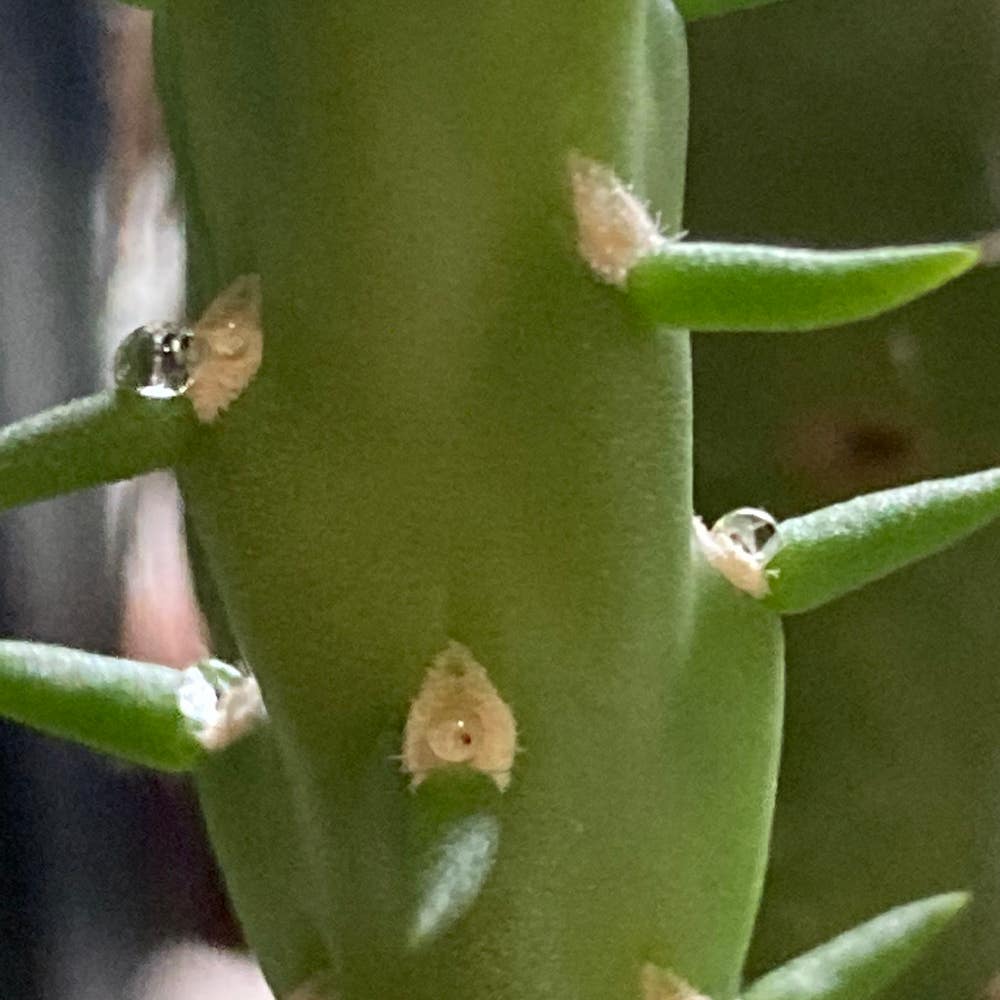
Drooping stems in Cane Cholla scream "I'm not okay!" When the usually upright and robust stems start to sag, it's a visual distress signal. Discoloration or a dull, lackluster appearance often accompanies the droop, hinting at deeper issues.
🚨 Beyond the Droop: Other Symptoms to Watch For
Look out for yellowing or shriveled sections, which could point to water or nutrient issues. Mushy stems are a big red flag for overwatering. Don't ignore stunted growth or black spots; these are your Cholla's way of crying out for help.
⏰ When to Sound the Alarm
A slight droop during extreme temperatures might not be a crisis—it's the plant's version of a mild complaint. But if the droop persists or is paired with any of the above symptoms, it's time to take action. Your Cane Cholla isn't just being dramatic; it needs your urgent attention.

The Usual Suspects: Pinpointing the Causes
🏜️ Thirsty Roots: The Underwatering Effect
Wrinkled stems and lackluster appearance are Cane Cholla's way of crying out for water. When the soil feels like a dry desert, it's a clear distress signal. Immediate rehydration is needed, and a thorough soak can revive your plant from its drought-induced despair. Remember, Cane Cholla can endure dry spells, but neglect can push it to the brink.
💦 Drowning Despair: The Overwatering Crisis
Soggy soil spells trouble. Overwatering leads to root rot, where the roots are more in a swimming pool than in soil. Yellowing or mushy stems are the red flags of overindulgence. To prevent your Cane Cholla from drowning in excess love, let the top inch of soil dry out before the next watering rendezvous.
🌞 Sunburn and Shivers: Weather Woes
Finding the Goldilocks zone for your Cane Cholla is crucial. Too much sun can lead to a sunburnt cactus, while too little can leave it shivering and droopy. Monitor the light and temperature to keep your Cane Cholla basking in just the right amount of desert-like bliss. Adjustments may be needed to weather the extremes and keep your plant perky.

The Recovery Plan: Nursing Your Cane Cholla Back to Health
💧 Fine-Tuning the Waterworks
Watering your Cane Cholla isn't rocket science, but it does require a bit of finesse. Here's the lowdown: soak the soil thoroughly, then step away until it's bone-dry. No guesswork—stick a finger in the dirt. If it clings to your skin, hold off on the H2O. Seasonal shifts? They're a big deal. Your Cholla's thirst changes with the calendar. Summer sizzle means more frequent drinks; winter chill calls for restraint.
🏜️ Soil and Sanctuary: Creating the Perfect Home
The perfect soil mix for your Cane Cholla is like a bespoke suit—tailored to fit. Aim for a mix that's fast-draining, with a gritty texture that would make a desert proud. Think cactus mix with added pumice or perlite. Drainage is your best friend here. Ensure your pot has holes that could make a sieve jealous. No swimming lessons for Cholla; soggy roots are a one-way ticket to rot town.

Keeping the Perk: Preventative Strategies
💧 Consistency is Key: Watering Wisdom
Crafting a watering schedule for your Cane Cholla is like setting an alarm clock—it ensures you won't forget to give your plant the hydration it needs. Adjust for the seasons; your Cane Cholla's thirst will vary throughout the year.
🌞 The Right Spot: Light and Temperature Harmony
Finding the sweet spot for your Cane Cholla involves balancing light and temperature. Bright, indirect sunlight is ideal, and maintaining a stable temperature helps prevent droop. Rotate your plant for even light exposure and adjust care as the seasons change.
👩🌾 Regular Check-Ups: Ongoing Care and Attention
Regular monitoring is crucial. Like a plant detective, check for signs of distress and make timely adjustments to your care routine. This proactive approach will help you avoid the dreaded droop and keep your Cane Cholla perky.
⚠️ Safety First
This content is for general information and may contain errors, omissions, or outdated details. It is not medical, veterinary advice, or an endorsement of therapeutic claims.
Always consult a qualified healthcare professional before using any plant as food, medicine, or supplement.
Never eat any plant (or feed one to pets) without confirming its identity with at least two trusted sources.
If you suspect poisoning, call Poison Control (800) 222-1222, the Pet Poison Helpline (800) 213-6680, or your local emergency service immediately.
Spotted an error? Please report it here.
Turn your Cane Cholla's frown upside down by diagnosing 🕵️♂️ and addressing its needs with Greg's tailored watering plans and care alerts.