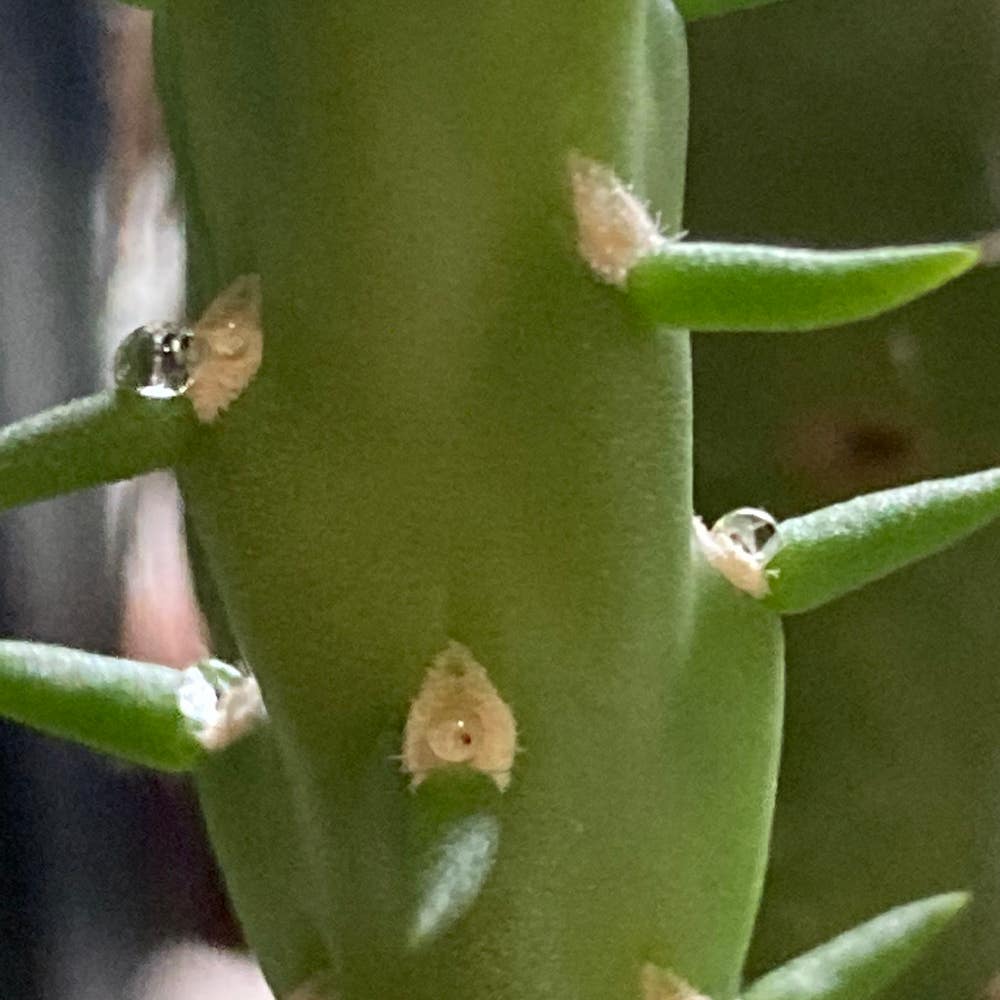
🌵 Cane Cholla Roots 101
Cylindropuntia imbricata
By the Greg Editorial Team
Oct 02, 2024•6 min read
This article was created with the help of AI so we can cover more plants for you. May contain errors. See one? Report it here.
Master Cane Cholla's unique root system 🌵 for vibrant growth and resilience in your garden!
- 🌵 Cane Cholla roots thrive in arid conditions with shallow, extensive systems for moisture.
- 💧 Deep, infrequent watering prevents root rot; let soil dry between sessions.
- 🔍 Monitor root health regularly to ensure firm, white roots for thriving plants.
Type of Root System
🌱 Characteristics
Cane Cholla features a fibrous root system that is both efficient and resilient. These roots are shallow yet extensive, spreading widely to maximize moisture absorption in arid environments.
This adaptation is crucial for survival in dry conditions, allowing the plant to thrive where others might struggle. The roots work tirelessly to gather water, ensuring the Cane Cholla remains healthy and vibrant.
Understanding this root system is essential for anyone looking to cultivate or care for Cane Cholla effectively. The unique characteristics of its roots play a significant role in the plant's overall health and growth.
Next, let’s explore the root depth, spread, and growth patterns to gain a deeper understanding of how these roots function in various conditions.
Root Depth, Spread, and Growth Patterns
Typical Depth and Spread 🌱
Cane Cholla roots typically reach an average depth of 1 to 3 feet, influenced by soil conditions. These roots can spread horizontally up to 6 feet, allowing the plant to maximize moisture absorption in arid environments.
Growth Patterns 🌧️
During rainy seasons, Cane Cholla experiences rapid growth, efficiently soaking up water. This plant also has a remarkable ability to store water during dry spells, ensuring its survival and stability against wind and erosion.
Understanding these root characteristics is crucial for anyone looking to cultivate Cane Cholla successfully. With the right care, you can help this resilient plant thrive in your garden.
Next, let’s explore how to properly water, fertilize, and transplant Cane Cholla for optimal growth.
Watering, Fertilizing, and Transplanting
💧 Watering Needs
Cane Cholla thrives on infrequent but deep watering. It's crucial to let the soil dry out between waterings to prevent root rot, which can be detrimental to its health.
🌱 Fertilization Considerations
During the growing season, light feeding is beneficial. Opt for low-nitrogen, high-potassium fertilizers to support robust root health and overall plant vitality.
🌿 Transplanting Best Practices
Transplanting requires careful planning to ensure success. Follow these best practices:
- Timing: Aim to transplant during spring or early summer for optimal growth.
- Preparation: Ensure the new pot has adequate drainage to prevent water accumulation.
- Technique: Minimize root disturbance by keeping the root ball intact during the move.
By adhering to these guidelines, you can help your Cane Cholla flourish in its new environment. Proper watering, fertilizing, and transplanting are essential for maintaining a healthy root system, setting the stage for vibrant growth and resilience.
Next, we’ll explore common root-related issues that can affect your Cane Cholla and how to address them effectively.
Common Root-Related Issues
🕵️ Identifying Problems
Root health is crucial for the overall vitality of your Cane Cholla. One of the most common issues is root rot, which manifests as yellowing pads and mushy roots. If you notice these symptoms, it’s a clear sign that something is amiss.
Pests can also wreak havoc on your plant's roots. Root mealybugs and nematodes are notorious for damaging roots, leading to stunted growth and overall decline. Keeping an eye out for these pests can save your plant from serious trouble.
🛡️ Prevention and Solutions
Preventing root-related issues starts with the right soil. Use well-draining soil to ensure excess moisture doesn’t linger, and water only when necessary. This simple practice can significantly reduce the risk of root rot.
If you do encounter root rot, act quickly. Remove the affected roots and repot your Cane Cholla in fresh soil to give it a fighting chance. For pest problems, consider using insecticidal soap or neem oil to eliminate unwanted guests without harming your plant.
By staying proactive about root health, you can enjoy a thriving Cane Cholla that stands strong against common challenges. Next, let’s explore how to identify indicators of root health to keep your plant flourishing.
Indicators of Root Health
👀 Visual Cues
Healthy roots are a gardener's best friend. Look for firm, white roots that show no signs of decay; this is a clear indicator that your Cane Cholla is thriving.
🚩 Signs of Unhealthy Roots
On the flip side, dark, mushy roots are a red flag for root rot. If you notice stunted growth and yellowing pads, it’s likely a sign of nutrient deficiencies or root damage that needs immediate attention.
Understanding these indicators can make all the difference in maintaining a robust plant. By keeping an eye on root health, you can ensure your Cane Cholla continues to flourish.
Next, let’s explore common root-related issues that can arise and how to tackle them effectively.
Rootbound Conditions
Definition and Recognition 🌱
Rootbound is a condition where roots grow in tight circles around the pot, restricting their growth. You can spot this issue if you see roots poking out of drainage holes or if the plant shows signs of stunted growth.
Steps to Address Rootbound 🛠️
- Carefully remove the plant from its pot. Gently loosen the soil to avoid damaging the roots.
- Trim circling roots to encourage new growth. This helps the plant redirect its energy into healthier root development.
- Repot in a larger container with fresh soil. Ensure the new pot has good drainage to promote healthy growth.
Addressing rootbound conditions is crucial for the overall health of your Cane Cholla. By taking these steps, you can give your plant the space it needs to thrive and flourish.
Propagation and Division
Importance of Root Health 🌱
Healthy roots are the backbone of successful propagation. When roots are strong and intact, they ensure that new plants thrive and adapt well to their environments.
Techniques for Dividing ✂️
Use Clean, Sharp Tools: Always start with sanitized tools to prevent any infections. A clean cut promotes faster healing.
Ensure Healthy Portions: Each division should have a robust section of roots. This increases the chances of survival and growth for each new plant.
Allow Cut Surfaces to Callous: After cutting, let the surfaces dry out for a bit. This step is crucial to prevent rot when you replant.
By following these techniques, you can effectively propagate and divide your Cane Cholla, ensuring that each new plant has the best chance to flourish.
Next, let’s explore common root-related issues that can affect your plants and how to tackle them effectively.
⚠️ Safety First
This content is for general information and may contain errors, omissions, or outdated details. It is not medical, veterinary advice, or an endorsement of therapeutic claims.
Always consult a qualified healthcare professional before using any plant as food, medicine, or supplement.
Never eat any plant (or feed one to pets) without confirming its identity with at least two trusted sources.
If you suspect poisoning, call Poison Control (800) 222-1222, the Pet Poison Helpline (800) 213-6680, or your local emergency service immediately.
Spotted an error? Please report it here.
Unlock the secrets of Cane Cholla roots 🌵 with Greg's personalized care tips and watering reminders to help your plant thrive effortlessly in your garden!