🌵 Cane Cholla is Not an Invasive Plant
Cylindropuntia imbricata
By the Greg Editorial Team
Oct 02, 2024•5 min read
This article was created with the help of AI so we can cover more plants for you. May contain errors. See one? Report it here.
Transform your garden with Cane Cholla 🌵, a stunning plant that nurtures local wildlife and ecosystems! 🌼
- 🌵 Cane Cholla is non-invasive, making it perfect for sustainable gardening.
- 🌼 This cactus thrives in low-water environments, enhancing local biodiversity.
- 🌍 Supports wildlife and prevents soil erosion, contributing positively to ecosystems.
Plant Classification
Definition of Invasive Species 🌱
Invasive species are non-native plants that spread aggressively, outcompeting local flora and disrupting ecosystems. They often exhibit rapid growth, high reproductive rates, and adaptability to various environments.
Cane Cholla's Classification and Characteristics 🌵
Cane Cholla is classified as a non-invasive plant due to its limited spread and specific growth requirements. It thrives in low-water environments and has a growth form that restricts its spread, making it manageable in garden settings.
The plant's native status enhances its compatibility with local ecosystems, further supporting its non-invasive classification. This means it coexists harmoniously with other native species, contributing positively to the environment rather than disrupting it.
Understanding these classifications helps gardeners make informed choices about plant selection. By choosing non-invasive species like Cane Cholla, you can create a thriving garden that supports local biodiversity.
As we explore Cane Cholla's growth habits, you'll see how its unique characteristics make it a valuable addition to any garden.
Growth Habits
Typical Growth Patterns in Gardens 🌱
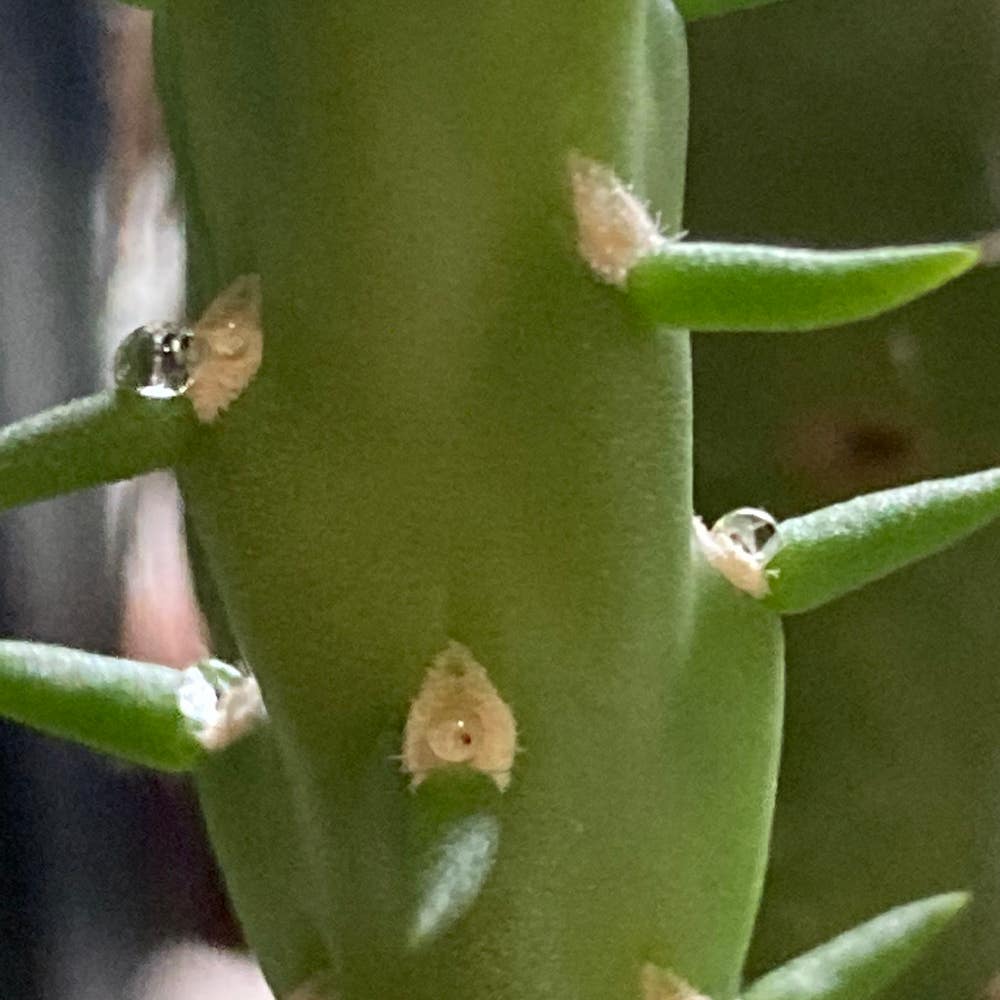
Cane Cholla thrives in clumps, showcasing cylindrical stems that can reach heights of 3 to 6 feet. During spring and summer, it bursts into vibrant blooms, attracting a variety of pollinators.
Its growth rate is moderate, with new pads forming seasonally, adding to its visual appeal in garden settings.
Natural Limits to Growth and Spread Potential 🚧
Cane Cholla's spread is naturally limited by its environmental preferences. It flourishes in well-draining, sandy soils, which restricts its growth in overly moist conditions.
This cactus is drought-tolerant, allowing it to thrive in arid environments. However, it faces competition from other native plants and is susceptible to extreme cold, further curbing its spread.
The unique growth habits of Cane Cholla make it an excellent choice for gardens, providing both beauty and ecological benefits. As we explore its ecological role, you'll see how it contributes to local biodiversity.
Ecological Role
🌼 Benefits in Ecosystems
Cane Cholla plays a vital role in its ecosystem by providing habitat and food for various wildlife, including birds and insects. Its vibrant flowers not only beautify the landscape but also attract pollinators, enhancing local biodiversity.
Additionally, Cane Cholla acts as a natural barrier against soil erosion in desert landscapes. Its sturdy structure helps stabilize the soil, making it an essential component of healthy ecosystems.
🐦 Positive Interactions with Local Wildlife
Birds like finches and sparrows find nourishment in the seeds and nectar of Cane Cholla. This relationship supports their survival and contributes to the overall health of the ecosystem.
Insects, including bees and butterflies, are also drawn to the plant's flowers for pollination. The structure of Cane Cholla offers shelter for small animals and insects, creating a thriving microhabitat.
Cane Cholla's ecological contributions highlight its importance beyond mere aesthetics. By fostering wildlife interactions, it enriches the environment and promotes a balanced ecosystem.
As we explore how to incorporate Cane Cholla into garden designs, we can appreciate its multifaceted role in nature.
Garden Management
Incorporating into Garden Designs 🌵
Cane Cholla is perfect for xeriscaping and desert landscaping due to its impressive drought tolerance. This plant can serve as a striking focal point or be grouped with other plants to enhance visual interest.
For optimal growth, it's recommended to space Cane Cholla 3 to 5 feet apart. This allows each plant to thrive without competing for resources, creating a harmonious garden environment.
Controlling Growth for Aesthetic Purposes ✂️
To maintain the beauty of your Cane Cholla, regular pruning is essential. Remove any dead or damaged pads to keep the plant looking its best.
Keep an eye on growth to prevent overcrowding, ensuring each plant has room to flourish. Additionally, consider using barriers or edging to define garden spaces and control the spread of this unique cactus.
Incorporating Cane Cholla into your garden not only enhances its aesthetic appeal but also supports local wildlife. As we explore its ecological role next, you'll see how this plant contributes to a thriving ecosystem.
Comparison to Other Plants
🌵 Similar Non-Invasive Plants
Cane Cholla shares its habitat with other non-invasive cacti like the Saguaro and Barrel cactus. While all thrive in arid conditions, they differ significantly in growth habits and water requirements.
The Saguaro, for instance, can reach impressive heights of up to 40 feet, requiring more water than Cane Cholla. In contrast, the Barrel cactus is more compact, storing water efficiently but still needing occasional moisture. Each plant plays a unique role in their ecosystems, contributing to biodiversity in their own way.
🌈 Unique Qualities
What truly sets Cane Cholla apart are its distinctive cylindrical stems and vibrant blooms. These features not only make it visually appealing but also attract a variety of pollinators.
Its remarkable drought tolerance allows Cane Cholla to flourish in low-water environments, making it a smart choice for sustainable gardening. By incorporating this plant into your garden, you support local wildlife while enhancing your landscape's beauty.
As we explore the next section, consider how these unique qualities can influence your gardening choices and practices.
Legal and Environmental Considerations
🌱 Relevant Classifications and Guidelines
Understanding local regulations is crucial when planting native and non-invasive species. Many regions have guidelines that encourage the use of native plants to enhance biodiversity and protect local ecosystems.
Selecting native plants like Cane Cholla not only complies with these regulations but also fosters a healthier environment. By choosing plants that naturally thrive in your area, you contribute to the stability of local flora and fauna.
♻️ Sustainable Gardening Practices
Incorporating Cane Cholla into sustainable gardening practices, such as xeriscaping, can significantly reduce water usage. This approach is especially beneficial in arid regions where water conservation is essential.
Using native plants like Cane Cholla supports local wildlife, providing food and habitat. This not only enhances your garden's ecological balance but also creates a vibrant space that attracts various species, enriching your gardening experience.
As you plan your garden, remember that every native plant contributes to a larger ecosystem. Embracing these practices not only beautifies your space but also nurtures the environment.
⚠️ Safety First
This content is for general information and may contain errors, omissions, or outdated details. It is not medical, veterinary advice, or an endorsement of therapeutic claims.
Always consult a qualified healthcare professional before using any plant as food, medicine, or supplement.
Never eat any plant (or feed one to pets) without confirming its identity with at least two trusted sources.
If you suspect poisoning, call Poison Control (800) 222-1222, the Pet Poison Helpline (800) 213-6680, or your local emergency service immediately.
Spotted an error? Please report it here.
Choose Cane Cholla for a thriving garden 🌱 that supports local wildlife, and let Greg guide you with tailored care tips to ensure your cactus flourishes while enhancing biodiversity!