Symbolism and Benefits of the Cane Cholla
Cylindropuntia imbricata
By the Greg Editorial Team
Jun 18, 2024•3 min read
This article was created with the help of AI so we can cover more plants for you. May contain errors. See one? Report it here.
Unearth the Cane Cholla's tale of desert resilience 🌵 and its multifaceted gifts to nature and culture.
- Symbol of resilience, Cane Cholla thrives in harsh conditions and symbolizes adaptability.
- Ecological and aesthetic marvel, providing wildlife sanctuary and garden beauty.
- Cultural and therapeutic significance, inspiring art and offering traditional healing.
Unveiling the Symbolism
🌵 The Native American Connection
The Cane Cholla has deep roots in Native American culture, particularly with the Tohono O’odham people. It served as a versatile food source, with its buds, fruits, and joints all being consumed. Beyond sustenance, the plant's skeleton became a canvas for creativity, fashioned into walking sticks and sculptures that carry a piece of the desert's soul.
A Modern Take on Ancient Symbols
Today, the Cane Cholla's symbolism has evolved but its core remains unchanged: it's a beacon of resilience. In a world that's constantly shifting, this desert dweller stands tall, adapting to the harshest conditions with a stubborn grace. It's not just a plant; it's a testament to survival and the art of thriving against the odds.

Top Benefits of Growing Cane Cholla
🏜️ A Desert Survivor's Guide to Drought
Cane Cholla thrives with minimal water, making it a champion of xeriscaping. Its ability to store moisture allows it to outlast dry spells, a godsend for forgetful gardeners or arid climates.
🌵 A Visual Desert Symphony
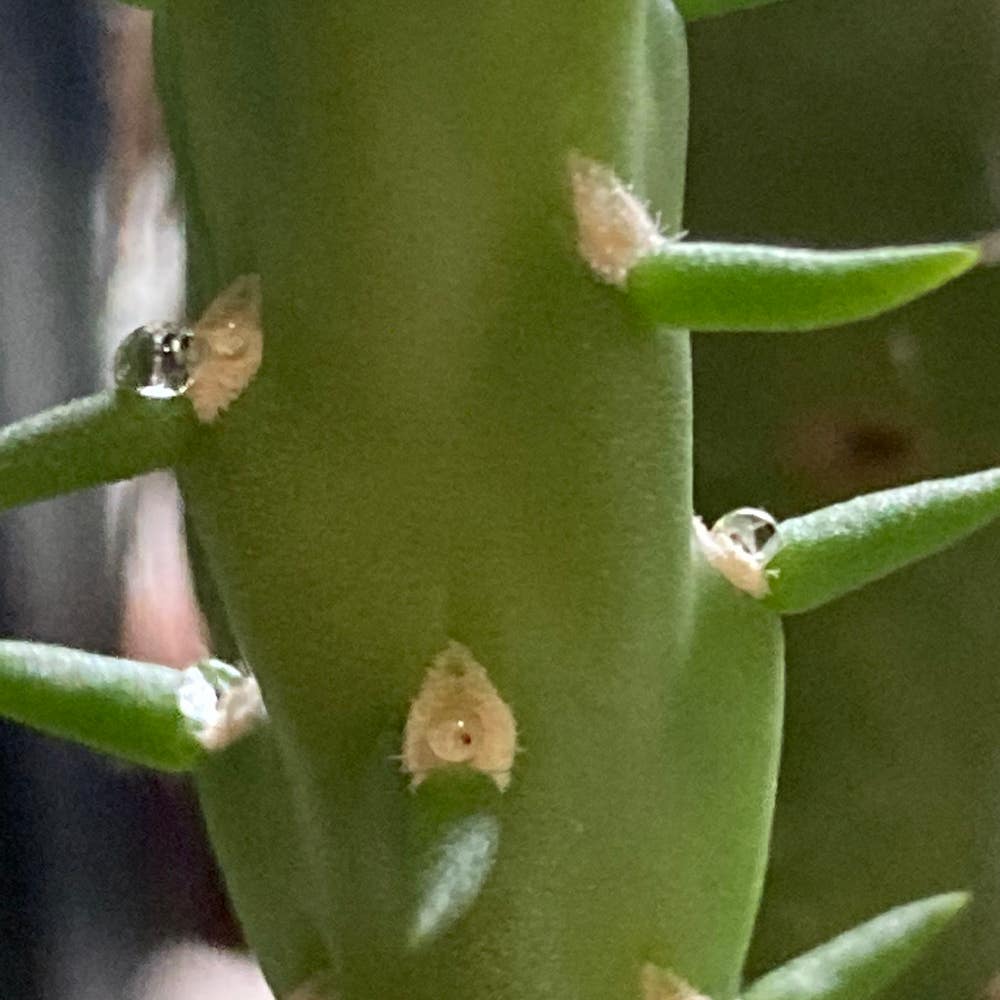
With a silhouette that breaks the monotony of flat landscapes, Cane Cholla stands as a garden showstopper. Its cylindrical segments and vibrant blooms offer a unique aesthetic that's hard to overlook.
🐦 A Sanctuary for Desert Dwellers
Wildlife benefits from the Cane Cholla's presence. Birds nest in its branches, while its flowers and fruits serve as food sources, bolstering local ecosystems.
💊 The Healing Touch of the Desert
Traditionally, Cane Cholla has been used for its therapeutic properties. Modern research may uncover more potential uses, aligning with beliefs in its healing powers.
🌱 Anchoring the Sands
Cane Cholla's root system helps in soil stabilization, combating erosion. It's a natural solution for keeping the earth underfoot and the environment in balance.

Cultural and Creative Sparks
🌵 From Ethnobotany to Education
The Cane Cholla stands not just as a plant, but as a beacon of indigenous knowledge. Its use by the Tohono O’odham and other Native American cultures in the Southwest has transformed it from mere flora to a cultural artifact. In classrooms and educational programs, the Cane Cholla serves as a living lesson in ethnobotany, illustrating the symbiotic relationship between people and plants. Its resilience and utility spark discussions on sustainable living and the preservation of traditional practices.
🎨 Artistic Muse of the Arid Lands
Beyond its spines and blooms, the Cane Cholla has etched its way into the creative psyche. Its stark beauty and adaptability have inspired artists, much like the Shoebutton plant and the Painted Echeveria have in their respective realms. From the sculpting of its woody skeleton into walking sticks to its portrayal in desert landscapes, the Cane Cholla fuels a unique artistic expression that resonates with the rugged spirit of the arid lands it calls home. It's not just a plant; it's a narrative muse, challenging creators to capture its essence in their work.

⚠️ Safety First
This content is for general information and may contain errors, omissions, or outdated details. It is not medical, veterinary advice, or an endorsement of therapeutic claims.
Always consult a qualified healthcare professional before using any plant as food, medicine, or supplement.
Never eat any plant (or feed one to pets) without confirming its identity with at least two trusted sources.
If you suspect poisoning, call Poison Control (800) 222-1222, the Pet Poison Helpline (800) 213-6680, or your local emergency service immediately.
Spotted an error? Please report it here.
Discover how to nurture your own symbol of resilience 🌵 with Greg's tailored care reminders, ensuring your Cane Cholla stands as a testament to thriving against the odds.