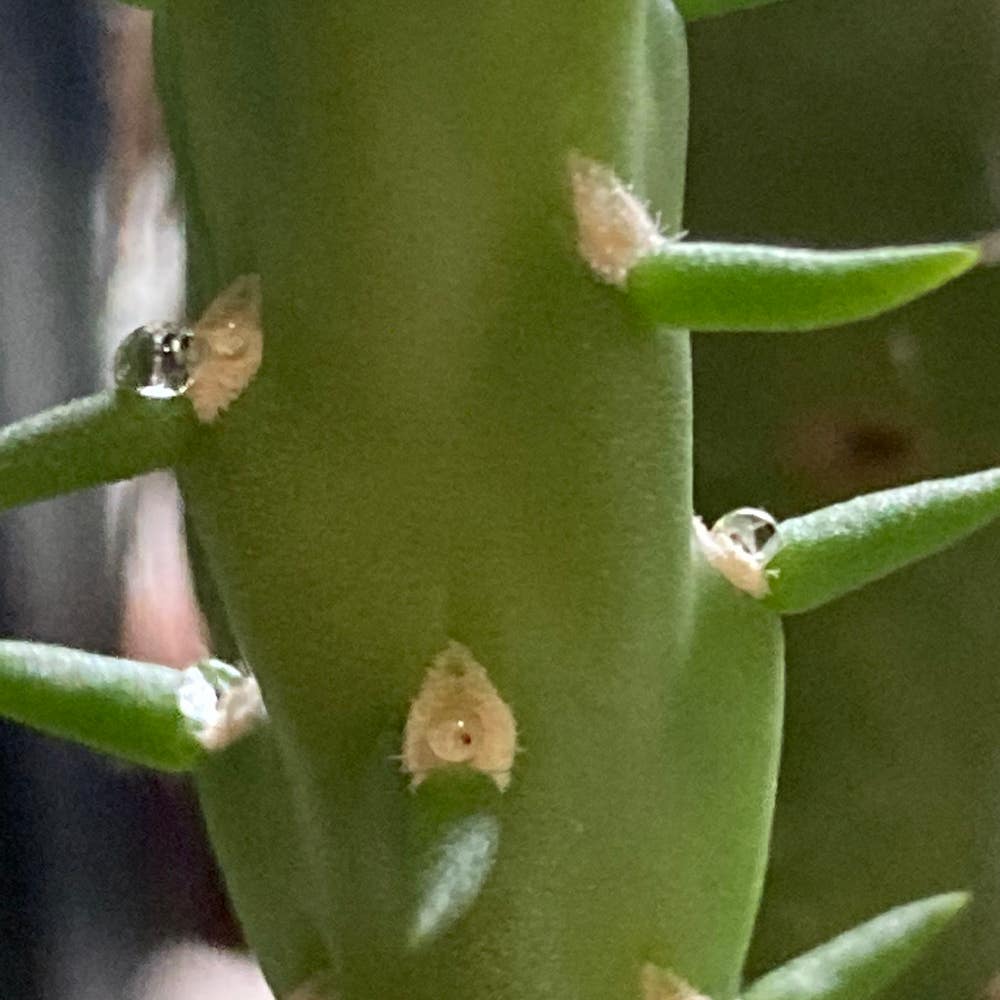
🌵 Introduction to Tree Cholla
Cylindropuntia imbricata
By the Greg Editorial Team
Jan 23, 2025•13 min read
This article was created with the help of AI so we can cover more plants for you. May contain errors. See one? Report it here.
Elevate your garden's beauty and resilience with the stunning Tree Cholla cactus! 🌵
- 🌞 Tree Cholla thrives in full sun and well-draining sandy or rocky soil.
- 🌱 Water only when soil is dry to prevent root rot and ensure healthy growth.
- 🐾 Handle with care; Tree Cholla's spines can irritate skin and harm pets.
How to Grow
🌞 Choosing a Location
To thrive, Tree Cholla requires full sun exposure and well-draining soil. Whether you opt for outdoor planting or container growing, ensure the location receives ample sunlight throughout the day.
🏜️ Soil Preparation
For optimal growth, use sandy or rocky soil that promotes good drainage. You can enhance your soil by incorporating perlite or coarse sand, which will help prevent water retention and root rot.
🌱 Planting Techniques
The best time to plant Tree Cholla is in spring, after the last frost has passed. When planting, make sure the base of the stem sits just above the soil level to encourage healthy growth.
🚰 Watering Requirements
Watering is straightforward: allow the soil to dry out completely between waterings. Be vigilant for signs of overwatering, such as yellowing stems, or underwatering, which may cause shriveling.
🍽️ Fertilizing Guidelines
During the growing season, provide light feeding with a cactus-specific fertilizer. Balanced NPK or slow-release options work well to support your Tree Cholla's growth without overwhelming it.
✂️ Pruning Methods
Prune your Tree Cholla in early spring to remove any dead or damaged segments. Use caution when pruning to avoid injury from the plant's spines; wearing gloves is a smart move.
🔍 Ongoing Care
Regularly monitor your Tree Cholla for pests and diseases, adjusting care based on seasonal temperature and moisture levels. Staying proactive will help ensure your plant remains healthy and vibrant.
With these foundational growing tips, you're well on your way to cultivating a thriving Tree Cholla. Next, let’s explore how to propagate this resilient plant for even more greenery!
Propagation
Methods 🌱
Propagation of Tree Cholla can be achieved through two primary methods: seeds and cuttings. Each method has its unique steps and requirements, making it accessible for both novice and experienced gardeners.
Step-by-Step Instructions 📋
Seeds:
- Start by soaking the seeds in water for 24 hours before planting. This helps to soften the seed coat and encourages germination.
- Next, plant the seeds in a well-draining soil mix. Keep the soil moist but not soggy until germination occurs, which typically takes a few weeks.
Cuttings:
- For cuttings, select healthy segments from the Tree Cholla. Allow these segments to callous for 1-2 days to prevent rot.
- Once calloused, plant the cuttings in sandy soil. Water sparingly until roots develop, which may take several weeks.
With these methods, you can successfully propagate Tree Cholla and enjoy its unique beauty in your garden. Ready to explore the lifecycle of this fascinating plant? Let's dive into the next section!
Lifecycle
Stages 🌱
Germination
Germination is the first crucial step in the lifecycle of Tree Cholla. It typically takes 2 to 4 weeks under optimal conditions, which include warm temperatures and moist, well-draining soil.
Seedling Stage
Once germinated, seedlings emerge with delicate structures. During this stage, they require consistent moisture and protection from harsh sunlight to thrive.
Vegetative Growth
As the plant matures, it enters the vegetative growth phase. This is characterized by increased growth in height and width, requiring adequate sunlight and nutrients for robust development.
Flowering
Tree Cholla usually flowers in late spring to early summer. The right conditions, including sufficient sunlight and warmth, are essential for producing vibrant blooms.
Seed Production
After flowering, the plant produces seeds, typically in late summer. These seeds can be harvested and sown to propagate new plants.
Lifespan ⏳
Tree Cholla has an impressive average lifespan of 20 to 30 years when grown in optimal conditions. This longevity makes it a resilient choice for gardeners seeking long-term beauty.
Growth Timeline 📈
Time to Maturity
Expect Tree Cholla to reach maturity in approximately 3 to 5 years. This timeline can vary based on environmental factors and care practices.
Growth Rate
The growth rate is moderate, influenced by soil quality, water availability, and sunlight exposure. Providing the right conditions can significantly enhance its growth potential.
Understanding the lifecycle of Tree Cholla equips you with the knowledge to nurture this unique plant effectively. Next, let’s explore the size of Tree Cholla and what to expect as it grows.
Size
Mature Dimensions 🌳
Tree Cholla can reach impressive heights, typically growing between 3 to 10 feet. Its spread ranges from 2 to 4 feet, influenced by the specific growing conditions it experiences.
Growth Rate and Variability 📈
Several factors play a crucial role in determining the growth rate of Tree Cholla. Soil quality, water availability, and sunlight exposure are key elements that can either accelerate or hinder its development.
Impact of Conditions 🌍
The environment significantly affects the overall size and health of Tree Cholla. For instance, plants grown in desert conditions may thrive differently compared to those in containers, showcasing the adaptability of this resilient species.
Understanding these aspects of size can help you cultivate a healthy Tree Cholla that fits beautifully into your garden. Next, let’s explore the fascinating roots of this plant and their characteristics.
Roots
Characteristics 🌱
Tree Cholla features a unique root system that includes a deep taproot, which anchors the plant securely in the ground. This is complemented by fibrous roots that provide additional stability and help absorb moisture and nutrients.
Depth and Spread 📏
On average, the roots of Tree Cholla can reach depths of 2-3 feet, allowing them to access water from deeper soil layers. Additionally, these roots extend laterally, creating a broad network that supports the plant's overall health and stability.
Common Issues ⚠️
Root rot is a significant concern for Tree Cholla, often caused by overwatering or poorly draining soil. Symptoms include a foul smell and mushy roots, which can be prevented by ensuring proper drainage and allowing the soil to dry out between waterings.
Identifying healthy roots is crucial for maintaining your Tree Cholla. Healthy roots are firm and white, while unhealthy roots appear brown and mushy.
Another common issue is rootbound plants, which occur when roots grow too densely in a container. Signs of this include stunted growth and roots emerging from drainage holes. To manage this, consider repotting into a larger container or trimming the roots to encourage new growth.
Understanding these root characteristics and potential issues can significantly enhance your Tree Cholla's health and longevity. With proper care, you can ensure your plant thrives in its environment.
Next, let’s explore the numerous benefits of growing Tree Cholla in your garden.
Benefits
Top 5 Benefits of Tree Cholla 🌵
1. Drought Resistance
Tree Cholla thrives in arid conditions, making it a perfect choice for xeriscaping and low-water gardens. Its ability to withstand prolonged dry spells means less worry about watering.
2. Unique Aesthetic
With its striking appearance, Tree Cholla adds a captivating visual element to desert landscapes. Its distinctive form and vibrant colors can enhance any garden design.
3. Wildlife Habitat
This cactus serves as a vital habitat for various wildlife species. Birds, insects, and small mammals find shelter and food among its spines, promoting biodiversity in your garden.
4. Cultural Significance
Tree Cholla holds a special place in Native American culture, being used in crafts and traditional foods. Incorporating it into your garden connects you to this rich heritage.
5. Air Purification
Beyond its beauty, Tree Cholla contributes to improved air quality. Its presence in gardens helps filter pollutants, creating a healthier environment for you and your community.
These benefits make Tree Cholla not just a plant, but a valuable addition to any garden. As you consider your planting options, think about how this resilient cactus can enhance your outdoor space.
Next, let’s explore the concept of companion planting and how Tree Cholla interacts with other plants in your garden.
Companion Plants
Concept 🌱
Companion planting is a gardening strategy that pairs plants together to enhance growth, deter pests, and promote biodiversity. This technique not only improves the health of your garden but also creates a more vibrant ecosystem.
Best Companions 🌼
When growing Tree Cholla, consider these compatible plants:
- Agave: Thrives in similar conditions and adds striking visual appeal.
- Desert Marigold: Attracts beneficial insects while sharing water needs.
- Other drought-tolerant species: These plants often have similar care requirements, making them ideal companions.
These plants work well together because they share similar sunlight and water needs, and many can help repel pests that might otherwise target your Tree Cholla.
Plants to Avoid 🚫
While some plants thrive alongside Tree Cholla, others can be detrimental. Avoid planting:
- Heavy feeders: These plants compete for nutrients, potentially stunting your Tree Cholla's growth.
- Pest-attracting species: Certain plants may lure pests that could harm your Cholla.
By choosing the right companions and avoiding problematic plants, you can create a thriving garden that supports your Tree Cholla's health and vitality.
As you plan your garden, consider how these relationships can enhance your growing experience. Next, let’s explore the potential irritations Tree Cholla may pose to humans.
Toxicity to Humans
⚠️ Potential Irritation
Tree Cholla can be a prickly companion. Its spines and sap are the main culprits behind potential irritation, leading to discomfort for those who come into contact with them.
Symptoms of irritation may include skin rashes, itching, and mild gastrointestinal upset. If you’re sensitive, it’s best to handle this plant with care.
🧤 Handling Precautions
To minimize irritation risk, always wear gloves when handling Tree Cholla. Use tools like tongs or long-handled pruners to keep your distance from the spines.
If irritation persists or worsens, seek medical attention. It’s better to be safe than sorry when dealing with these spiky beauties!
Toxicity to Dogs
⚠️ Potential Irritation
Tree Cholla can pose a risk to dogs due to its spines and sap. These parts can lead to discomfort, resulting in symptoms like drooling, pawing at the mouth, and mild vomiting.
🐶 Handling Precautions
To keep your furry friends safe, it's essential to prevent interactions with Tree Cholla. Consider placing the plant in an area that’s out of reach or using barriers to deter curious pups.
If your dog shows persistent symptoms after contact, don’t hesitate to seek veterinary care. Quick action can help ensure their well-being and peace of mind for you.
Toxicity to Cats
Potential Irritation 🐱
Tree Cholla can pose a risk to our feline friends, primarily due to its spines and sap. If a cat comes into contact with these parts, it may experience discomfort, leading to symptoms like drooling, pawing at the mouth, or even mild vomiting.
Handling Precautions 🚧
To keep your cat safe, it's essential to prevent interactions with Tree Cholla. Consider placing the plant in an area that is out of reach or using barriers to deter curious cats.
If you notice persistent symptoms in your cat after exposure, it's wise to consult a veterinarian for guidance. Early intervention can help ensure your pet's well-being and peace of mind.
Problems
Common Issues 🌱
Maintaining a healthy Tree Cholla can be tricky, as several common problems may arise. Here are the top issues to watch for:
Incorrect Watering: Overwatering can lead to root rot, while underwatering causes stress. Look for signs like mushy roots or shriveled segments.
Incorrect Light Conditions: Insufficient light can stunt growth, while too much can scorch the plant. Yellowing leaves often indicate light issues.
Diseases: Fungal infections, such as powdery mildew, can affect your plant. Watch for white, powdery spots on the stems and leaves.
Root Problems: Root rot manifests as soft, squishy roots. Healthy roots should feel firm and resilient.
Leaf Issues: Scorching leads to crispy, brown edges, while yellowing leaves signal distress. Both require immediate attention.
Identifying Symptoms 🔍
Recognizing symptoms early can save your Tree Cholla.
- Overwatering: Look for wilting or drooping segments and a foul smell from the soil.
- Underwatering: Leaves may appear shriveled or dry.
- Light Issues: Leaves may turn yellow or brown, indicating stress.
- Diseases: Powdery mildew presents as a white, dusty coating.
- Root Problems: Soft, mushy roots indicate rot, while healthy roots are firm and white.
Solutions 🛠️
Addressing these issues promptly can help revive your plant.
- For Watering Issues: Adjust your watering schedule. Ensure the soil dries out completely between waterings.
- For Light Conditions: Move your Tree Cholla to a spot with more or less light, depending on the symptoms.
- For Diseases: Treat fungal infections with a fungicide and improve air circulation around the plant.
- For Root Problems: If you suspect root rot, remove the plant from its pot, trim away affected roots, and repot in fresh, dry soil.
- For Leaf Issues: Adjust watering and light exposure to prevent further damage.
By staying vigilant and addressing these common problems, you can ensure your Tree Cholla thrives. Next, let’s explore the fascinating world of pests that may threaten your plant's health.
Bugs
🐛 Potential Pest Issues
Tree Cholla, while resilient, can still face pest challenges. Understanding its resistance and susceptibility is key to maintaining a healthy plant.
🔍 Identification of Pests
Several pests may target your Tree Cholla, including:
- Spider Mites: Tiny, often invisible to the naked eye, these pests suck sap from the plant, leading to discoloration.
- Scale Insects: These pests appear as small, brownish bumps on stems and leaves, robbing the plant of vital nutrients.
- Mealybugs: Recognizable by their white, cotton-like appearance, mealybugs can weaken the plant significantly.
- Aphids: Small and green, aphids cluster on new growth, causing stunted development.
⚠️ Damage and Treatment
Each pest can inflict specific damage on your Tree Cholla:
- Spider Mites: Look for stippling on leaves and webbing. Treatment includes insecticidal soap or neem oil.
- Scale Insects: They can cause yellowing and leaf drop. Use horticultural oil to suffocate them.
- Mealybugs: They lead to a sticky residue and can cause leaf drop. Remove them with a cotton swab dipped in alcohol.
- Aphids: These pests can distort new growth. A strong spray of water or insecticidal soap can help control their population.
By staying vigilant and addressing these pest issues promptly, you can keep your Tree Cholla thriving and vibrant. Next, we’ll explore what animals might be interested in munching on your plant.
What Eats
Common Animals 🦌
Tree Cholla can attract a variety of hungry critters. Common animals that may munch on this cactus include deer, rabbits, squirrels, and rodents.
Signs of Damage 🐾
Each of these animals leaves distinct signs of their feasting. Deer often strip leaves and pads, while rabbits tend to nibble at the base. Squirrels and rodents may create small holes or chew on the stems, leading to visible damage.
Deterrent Methods 🚫
Protecting your Tree Cholla from these hungry visitors is essential. Consider using chemical repellents or organic methods like planting strong-smelling herbs nearby to deter them.
Additionally, physical barriers such as fencing can be effective in keeping larger animals at bay. With these strategies, you can help ensure your Tree Cholla thrives without the threat of being snacked on.
As we move forward, let’s explore the potential pest issues that can also affect your Tree Cholla.
⚠️ Safety First
This content is for general information and may contain errors, omissions, or outdated details. It is not medical, veterinary advice, or an endorsement of therapeutic claims.
Always consult a qualified healthcare professional before using any plant as food, medicine, or supplement.
Never eat any plant (or feed one to pets) without confirming its identity with at least two trusted sources.
If you suspect poisoning, call Poison Control (800) 222-1222, the Pet Poison Helpline (800) 213-6680, or your local emergency service immediately.
Spotted an error? Please report it here.
Grow a thriving Tree Cholla 🌵 with Greg's tailored care reminders and expert tips that will keep your plant healthy and happy in your garden!