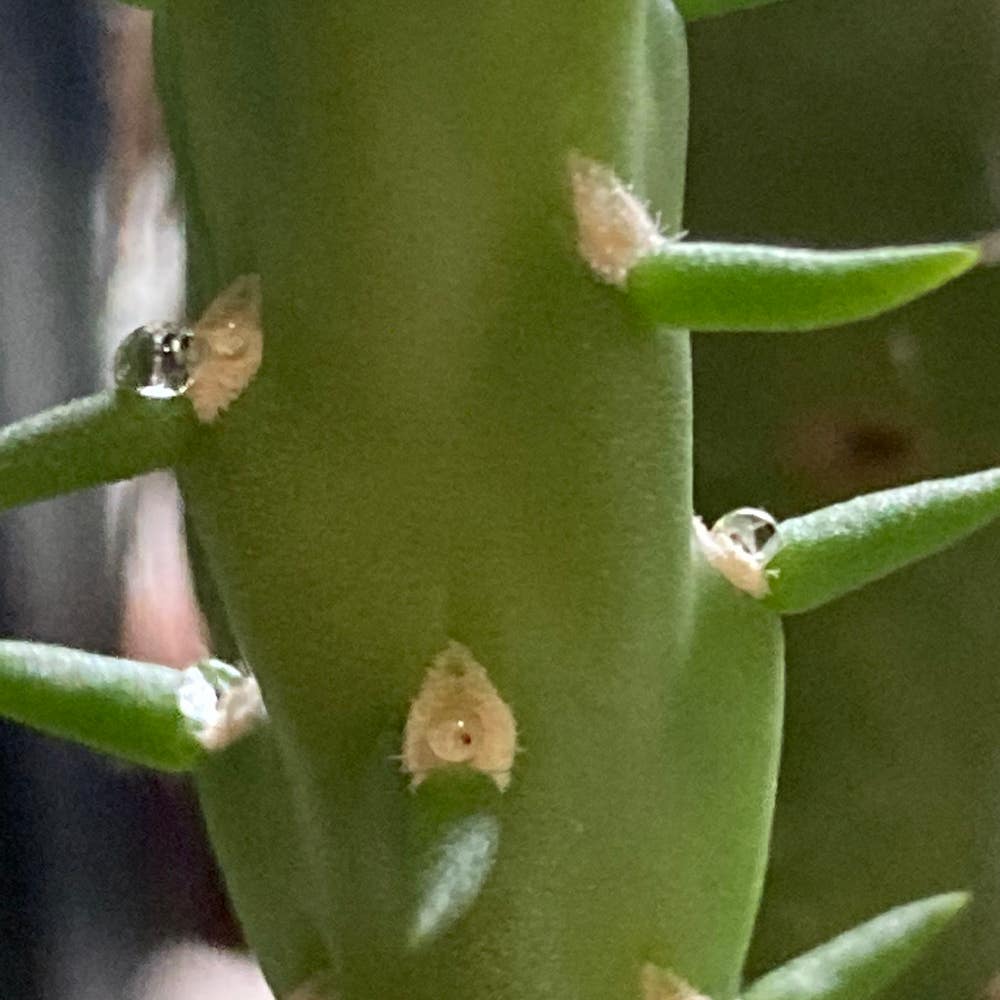
Should I Repot My Cane Cholla And If So, How?
Cylindropuntia imbricata
By the Greg Editorial Team
Jun 18, 2024•5 min read
This article was created with the help of AI so we can cover more plants for you. May contain errors. See one? Report it here.
Ensure your Cane Cholla's vibrant growth 🌵 by mastering the timely art of repotting.
- Root crowding? Time to repot - look for circling roots or stunted growth.
- 🌵 Repot in spring/early summer to sync with Cane Cholla's growth spurt.
- Terracotta pots win for breathability, but ensure proper size and drainage.
Spotting the Tell-Tale Signs It's Time to Repot
🌱 Root Tango: When Roots Out-Dance the Pot
Your Cane Cholla might be silently screaming for a space upgrade. If you see roots circling the pot's interior or making a break for it through the drainage holes, it's time for action. This isn't a root's version of exploration; it's a distress signal.
🌵 Growth Stunt: When Your Cholla Stops Reaching for the Stars
When your Cane Cholla's growth slows to a crawl, it's not just being lazy. Stunted growth and a lack of new, vibrant spines are your plant's way of waving a white flag. It's cramped and needs a new pot, stat.
💧 The Water Woes: Puddles vs. Thirst in the Pot
Watering should be straightforward, but if you're finding puddles on the surface or the soil dries out faster than you can refill your watering can, take note. These are tell-tale signs of improper drainage and root crowding, which means repotting can't wait.

Choosing the Right Season for Repotting
🌱 Syncing with Cane Cholla's Growth Rhythms
Spring and early summer are the golden tickets for repotting your Cane Cholla. This is when the plant hits a growth spurt, making it the ideal time to transition to a new pot. It's like catching the wave just right; do it during this period, and your Cholla is set to thrive.
🌦 Weathering the Seasons: Best Times to Break New Ground
Avoid bloom time—repotting during this phase is akin to changing horses midstream. It's disruptive and can throw off your plant's game. Instead, target the post-bloom period or when the plant is noticeably entering a new growth phase. Keep an eye on local weather patterns too; a surprise frost can be a real party pooper for your repotting plans.

The Repotting Rodeo: A Step-by-Step Guide
🌵 Preparing the Arena: Gathering Your Supplies
Before diving into the repotting process, assemble your tools. You'll need a new pot with drainage holes—ideally one size up from the current home of your Cane Cholla. Ensure it's not too large; excess space can lead to waterlogging. Have a trowel, gloves, and a watering can at the ready. Don't forget the potting mix, preferably one designed for cacti and succulents, to provide the drainage and aeration your Cholla craves.
🌱 The Gentle Uproot: Safely Extracting Your Cane Cholla
Time to coax your spiky friend out of its pot. If it's snug as a bug, gently squeeze the pot's sides or slide a dull knife around the inside edge to loosen the root ball. Avoid a tug-of-war; instead, tip the pot and encourage the plant to slide out with dignity. Inspect the roots—trim any that look suspicious or dead. They won't do your Cholla any favors in its new digs.
🏡 Home Sweet Home: Potting Mix and Pot Selection
Select a pot that's just right—not too big, not too small. Think Goldilocks for cacti. Cover the drainage holes with mesh or coffee filters to prevent soil escape. Mix your potting soil with perlite or pumice to enhance drainage. Remember, your Cholla's roots despise soggy conditions.
🌿 Settling In: Planting Your Cane Cholla in Its New Pot
Place your Cholla in the center of its new pot and gently fill around it with the potting mix. Don't bury it too deep—just enough to stabilize it. Press down the soil around the root ball to secure the plant, but don't compact it too much. Airflow is key. Give it a couple of days to adjust before its first watering to minimize the risk of root rot.

Picking the Perfect Pot: Materials Matter
🌱 Terracotta vs. Plastic: A Breathability Battle
Terracotta pots are the OG of breathability. They let air and water flow through, which is like a spa day for Cane Cholla roots. Plastic pots, however, are the helicopter parents of the pot world—they hold onto moisture like it's their job, which can be overbearing for your plant's roots.
🏺 Ceramic Charm: Weighing Beauty Against Function
Ceramic pots are the runway models of the pot world—glamorous but high maintenance. They're less porous, so they can turn into mini swimming pools without proper drainage. They're also heavy, which might be a workout when you're moving them around.
📏 Size and Drainage: The Unsung Heroes of Pot Selection
Size isn't just an ego thing; it's crucial for your plant's health. A pot that's too big can make your Cholla feel lost at sea. Drainage holes are the unsung heroes here—without them, you're setting sail for Soggy Town. Aim for a pot that's just right, like Goldilocks' third bowl of porridge.
Aftercare: Helping Your Cane Cholla Thrive Post-Repotting
💧 The First Watering: When and How Much
After repotting, wait a week before watering your Cane Cholla to let it settle. When it's time, water just enough to dampen the soil—think of it as a cautious first date with moisture. Overdoing it is a no-go; you're aiming for moist, not a mud bath.
🌞 Acclimatization: Easing into a New Environment
Your Cane Cholla isn't just being dramatic; it genuinely needs time to adjust. Keep it in a spot with bright, indirect sunlight to avoid the shock of direct rays. Maintain a consistent temperature to prevent your cactus from catching the sniffles.
👀 Monitoring and Maintenance: The First Weeks in a New Pot
Keep a close watch on your spiky friend for signs of distress, such as drooping or discoloration. If you see any, don't hit the panic button—just tweak your care routine gently. Resist overwatering; it's a common blunder. And hold off on the fertilizer; think of it as giving your plant a well-deserved break.
⚠️ Safety First
This content is for general information and may contain errors, omissions, or outdated details. It is not medical, veterinary advice, or an endorsement of therapeutic claims.
Always consult a qualified healthcare professional before using any plant as food, medicine, or supplement.
Never eat any plant (or feed one to pets) without confirming its identity with at least two trusted sources.
If you suspect poisoning, call Poison Control (800) 222-1222, the Pet Poison Helpline (800) 213-6680, or your local emergency service immediately.
Spotted an error? Please report it here.
Ensure your Cane Cholla's health and happiness 🌵 by letting Greg remind you when it's time to repot, for a thriving plant without the guesswork!