Why Are My Cane Cholla Leaves Falling Over?
Cylindropuntia imbricata
By the Greg Editorial Team
Jun 18, 2024•5 min read
This article was created with the help of AI so we can cover more plants for you. May contain errors. See one? Report it here.
Prevent your Cane Cholla's slump 🌵 with the right care balance—no more droopy disappointments!
- Droopy leaves signal distress; look for brittleness and brown tips.
- 🌵 Balance water and light; adjust soil moisture and sun exposure.
- Nutrients and pruning matter; use organic options and support structure.
Spotting the Signs: When Your Cane Cholla is in Distress
🌵 Identifying Droopy Leaves: What Does it Look Like?
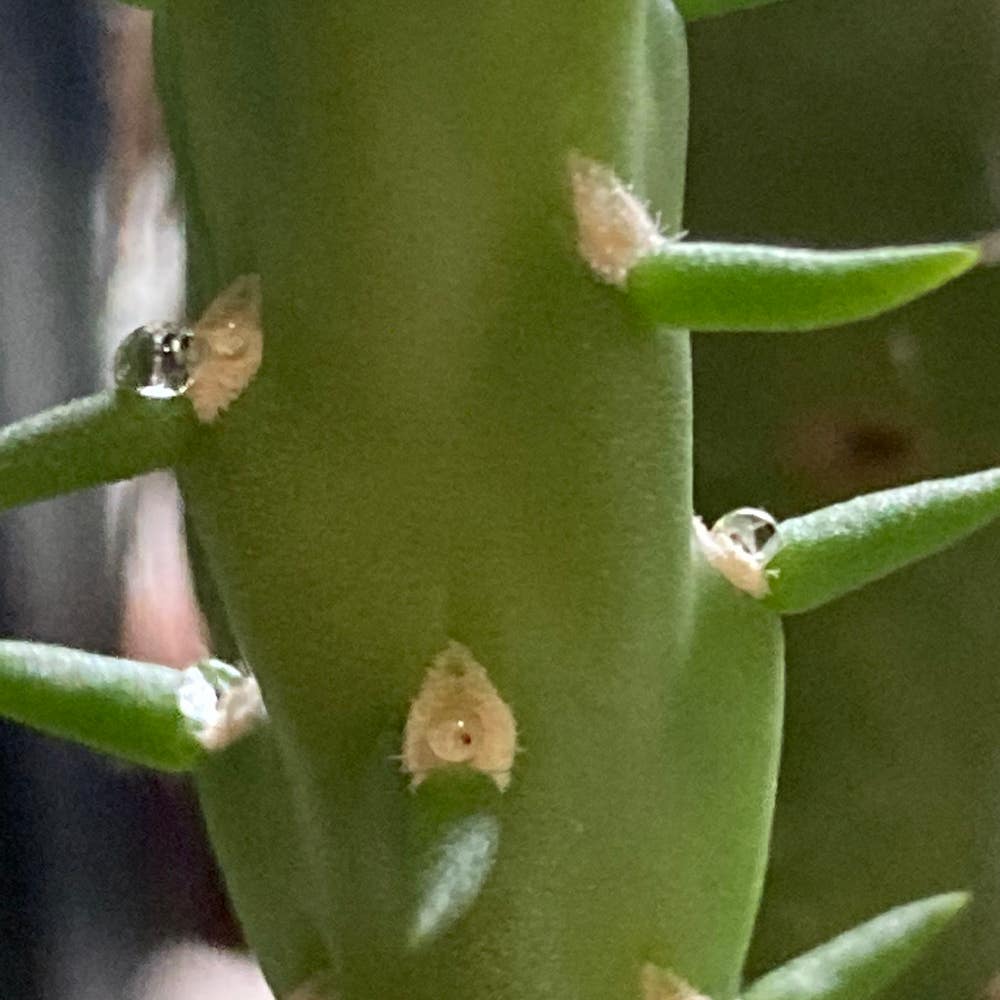
Cane Cholla leaves should stand tall, but when they're drooping, it's like they've given up. Look for leaves bending at odd angles or a general sag that screams "I'm not okay!" If the vibrant green is fading, it's a silent alarm for you to spring into action.
🚩 The Tipping Point: Recognizing When It's More Than Just a Bad Day for Your Cane Cholla
It's not just about a leaf with a slouch; when your Cholla's leaves consistently droop, it's a cry for help. Brittleness or brown tips are the plant's version of a white flag. And if the leaves perk up at night but wilt by day, your Cholla is definitely not living its best life.

Water Woes: Striking the Right Balance
💦 Overwatering Overload
Overwatering can turn your Cane Cholla's world into a soggy mess. Signs include yellowing leaves and stems that feel too soft. Root rot sneaks in, a silent assassin, when the soil stays wet for too long.
To avoid drowning your Cholla in affection, let the soil dry between waterings. Ensure drainage holes are clear, and consider adding perlite or sand to the mix for better aeration. Mulch can help maintain even soil moisture, but don't let it deceive you into watering too often.
🏜️ The Thirst Trap
Underwatering leaves your Cholla wilted and weak. Look for soil pulling away from the pot's edges or leaves that are dry and crispy. Your Cholla is staging a sit-in for some H2O.
The sweet spot for watering is soil that feels like a wrung-out sponge—moist, not waterlogged. Start with a thorough soak, let it drain, then wait until the top inch of soil dries out before the next watering session. Adjust your schedule with the seasons; less in winter, more in summer's heat.

Let There Be Light: But Not Too Much!
🌞 The Dim Dilemma
Cane Cholla cacti are sun seekers, but too little light can lead to a condition known as etiolation. This is when your Cholla starts stretching out, its leaves reaching for any hint of sunlight, resulting in a weakened, droopy appearance.
💡 Bright Ideas
To combat low light, adjust your Cholla's location to ensure it receives bright, indirect sunlight. Gradual changes are key to avoid shocking the plant, so consider moving it closer to a window or supplementing with grow lights if natural light is insufficient.
☀️ Sunburnt and Slumped
Conversely, too much direct sunlight can lead to a sunburned Cholla. The signs are unmistakable: leaves may appear bleached, crispy, or even develop a scorched look, much like a bad sunburn on human skin.
🌴 Shady Solutions
Protect your Cholla from excessive direct sunlight by providing shade during the harshest midday hours. This could mean relocating the plant, using a sheer curtain to diffuse intense sunlight, or creating a partial shade setup outdoors. Remember, it's all about finding that sweet spot where your Cholla can soak up the rays without getting fried.

Feeding Finesse: Nutrients for Upright Living
🌱 The Starvation Struggle
Just like us, your Cane Cholla needs a balanced diet to stay upright and healthy. Nutrient scarcity can lead to a slouchy posture and lackluster growth. Nitrogen, phosphorus, and potassium are the big three in plant nutrition, and a deficiency in any can cause your Cholla to droop in despair.
🥦 A Balanced Diet
A 10-10-10 NPK ratio is often the go-to for a well-rounded meal. But don't just grab any fertilizer off the shelf. Organic options like compost or fish bone meal release nutrients at a pace your Cholla can handle, preventing the nutrient equivalent of a sugar rush.
🚫 Overfeeding Fumbles
Too much of a good thing can be bad, and that includes fertilizer. Overzealous feeding can lead to a host of problems, like salt buildup in the soil and nutrient toxicity. It's like force-feeding your plant a triple cheeseburger daily—not cool.
🔄 Dialing Back the Dose
If you've gone overboard, it's time to scale back. Flush the soil with water to help leach out excess nutrients. Then, give your Cholla some space to breathe. Stick to feeding only during the growing season and always follow the less-is-more philosophy.
Tactical Trimming and Timely Support
✂️ Pruning for Poise
Pruning your Cane Cholla isn't about giving it a trendy haircut; it's strategic. By selectively snipping, you redistribute the plant's energy to the leaves that need it most. Use sharp shears for clean cuts to prevent drooping branches and promote a robust structure.
🌵 Sticks and Stones: Using Supports to Keep Your Cholla Standing Tall
Sometimes, your Cane Cholla needs a crutch. As it grows, it may become top-heavy and start to lean. Insert stakes gently into the soil, and tie the plant loosely to them. This support acts like training wheels, helping your Cholla stand tall and avoid the dreaded slump.
⚠️ Safety First
This content is for general information and may contain errors, omissions, or outdated details. It is not medical, veterinary advice, or an endorsement of therapeutic claims.
Always consult a qualified healthcare professional before using any plant as food, medicine, or supplement.
Never eat any plant (or feed one to pets) without confirming its identity with at least two trusted sources.
If you suspect poisoning, call Poison Control (800) 222-1222, the Pet Poison Helpline (800) 213-6680, or your local emergency service immediately.
Spotted an error? Please report it here.
Revive your drooping Cane Cholla and keep it standing tall 🌵 with Greg's personalized watering and nutrient reminders tailored to your plant's needs.