🌵 Where Can Cane Cholla Grow? Zones 5a-11b
Cylindropuntia imbricata
By the Greg Editorial Team
Oct 02, 2024•4 min read
This article was created with the help of AI so we can cover more plants for you. May contain errors. See one? Report it here.
Master Cane Cholla's temperature tolerance 🌵 to cultivate this resilient cactus in any garden setting!
- 🌵 Cane Cholla thrives in zones 5a-11b, ideal for diverse climates.
- ☀️ Requires 6+ hours of sunlight and well-draining soil for optimal growth.
- ❄️ Cold tolerance is 20°F; monitor frost for successful cultivation.
Cane Cholla Temperature Tolerance
❄️ Cold Tolerance Specifics
Cane Cholla is remarkably resilient, with a minimum temperature tolerance of 20°F (-6°C). While it can survive light frosts, prolonged exposure can lead to damage, making it essential to monitor local frost conditions.
🔥 Heat Tolerance Specifics
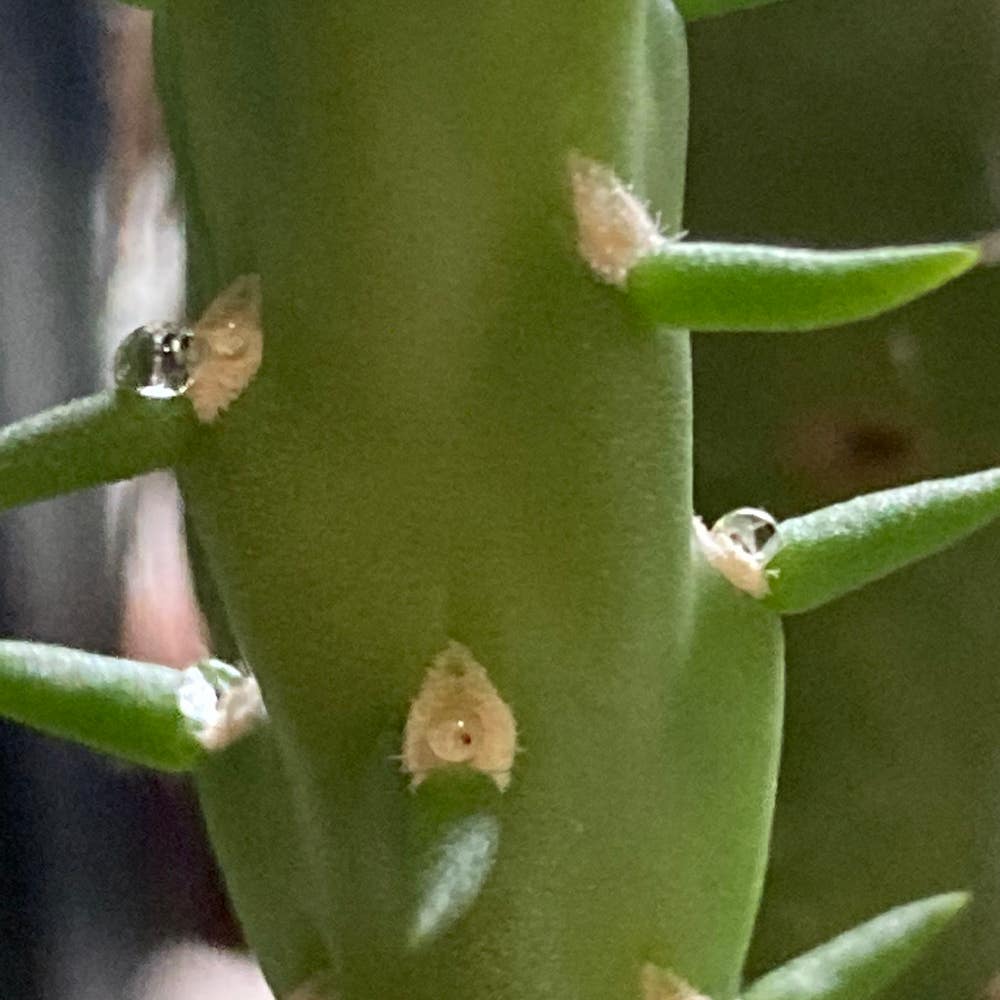
On the flip side, Cane Cholla thrives in extreme heat, with maximum tolerable temperatures exceeding 100°F (38°C). Its unique spines play a crucial role, reducing water loss and providing shade, allowing it to flourish in arid environments.
🌡️ Temperature Ranges for Optimal Growth
For optimal growth, Cane Cholla prefers a temperature range between 30°F and 100°F (-1°C to 38°C). Temperature fluctuations within this range can significantly impact its growth and flowering, emphasizing the importance of stable conditions for this hardy plant.
Understanding these temperature tolerances is vital for anyone looking to cultivate Cane Cholla successfully. Next, we’ll explore the ideal growing regions where this resilient cactus can truly thrive.
Ideal Growing Regions for Cane Cholla
🌵 Examples of US States Suitable for Cane Cholla
Cane Cholla thrives in the warm embrace of the Southwestern US. States like Arizona, New Mexico, Texas, and California are prime locations for this resilient cactus.
Within these states, specific regions shine. For instance, the Sonoran Desert in Arizona and the Chihuahuan Desert in New Mexico offer the perfect blend of heat and aridity.
☀️ Factors Contributing to Ideal Growing Conditions
To flourish, Cane Cholla needs well-draining soil. This prevents root rot, a common issue for cacti in overly moist environments.
Full sun exposure is crucial, requiring at least six hours of direct sunlight daily. This ensures the plant can photosynthesize effectively and grow robustly.
Drought tolerance is another key factor. Cane Cholla is built to thrive in arid conditions, making it an excellent choice for low-water gardens.
In summary, the combination of suitable states and specific growing conditions creates an ideal environment for Cane Cholla. Understanding these factors can help gardeners successfully cultivate this unique plant.
Next, we’ll explore how microclimates can further extend the growing range of Cane Cholla.
Microclimates and Cane Cholla
How Microclimates Can Extend Growing Range 🌡️
Microclimates play a crucial role in expanding the growing range of Cane Cholla. They offer protection from frost, enhance warmth, and help retain moisture, creating a more favorable environment for this resilient cactus.
In urban settings, microclimates can be particularly beneficial. For instance, buildings and paved surfaces can create heat islands, raising local temperatures and providing a buffer against cold snaps.
Examples of Microclimates That Benefit Cane Cholla 🏙️
Urban areas with heat islands are prime locations for Cane Cholla. Cities like Phoenix and Las Vegas maintain higher temperatures, making them ideal for this plant.
Additionally, valleys and slopes can provide natural shelter. These locations often shield Cane Cholla from harsh winds and frost, allowing for healthier growth and flowering.
Understanding these microclimates can significantly enhance your chances of successfully cultivating Cane Cholla in less-than-ideal conditions. As we explore state-level suitability, keep in mind how these localized environments can make all the difference.
State-Level Suitability Analysis
🌵 List of US States in Suitable Hardiness Zones (5a-11b)
Cane Cholla thrives in several states that fall within the hardiness zones of 5a to 11b. These include Arizona, New Mexico, Texas, California, Nevada, Utah, Oklahoma, Louisiana, and Florida.
The climate in these regions typically features warm temperatures and well-draining soil, which are essential for the growth of Cane Cholla. The combination of these factors creates an ideal environment for this resilient cactus.
🚫 List of US States Not Suitable for Cane Cholla
On the flip side, some states are not conducive to Cane Cholla growth. These include Alaska, Maine, Vermont, North Dakota, and Minnesota.
The primary reasons for this unsuitability are extreme cold temperatures, high humidity, and frequent frost conditions. These factors can severely hinder the plant's ability to survive and thrive.
❄️ Reasons for Unsuitability in Certain States
Understanding the unsuitability of certain states involves looking at frost dates. The first and last frost dates significantly impact growing seasons, often cutting them short in colder regions.
Cane Cholla has specific cold tolerance limits. It simply cannot endure consistently low temperatures, making it a poor fit for areas where frost is a regular occurrence.
As we explore the next section, we will delve into how microclimates can extend the growing range of Cane Cholla, offering potential solutions for those in less-than-ideal climates.
⚠️ Safety First
This content is for general information and may contain errors, omissions, or outdated details. It is not medical, veterinary advice, or an endorsement of therapeutic claims.
Always consult a qualified healthcare professional before using any plant as food, medicine, or supplement.
Never eat any plant (or feed one to pets) without confirming its identity with at least two trusted sources.
If you suspect poisoning, call Poison Control (800) 222-1222, the Pet Poison Helpline (800) 213-6680, or your local emergency service immediately.
Spotted an error? Please report it here.
Cane Cholla can thrive in diverse climates, and with Greg's tailored reminders for sunlight and soil needs, you'll cultivate a stunning cactus garden in no time! 🌵 Grow your green thumb with confidence!