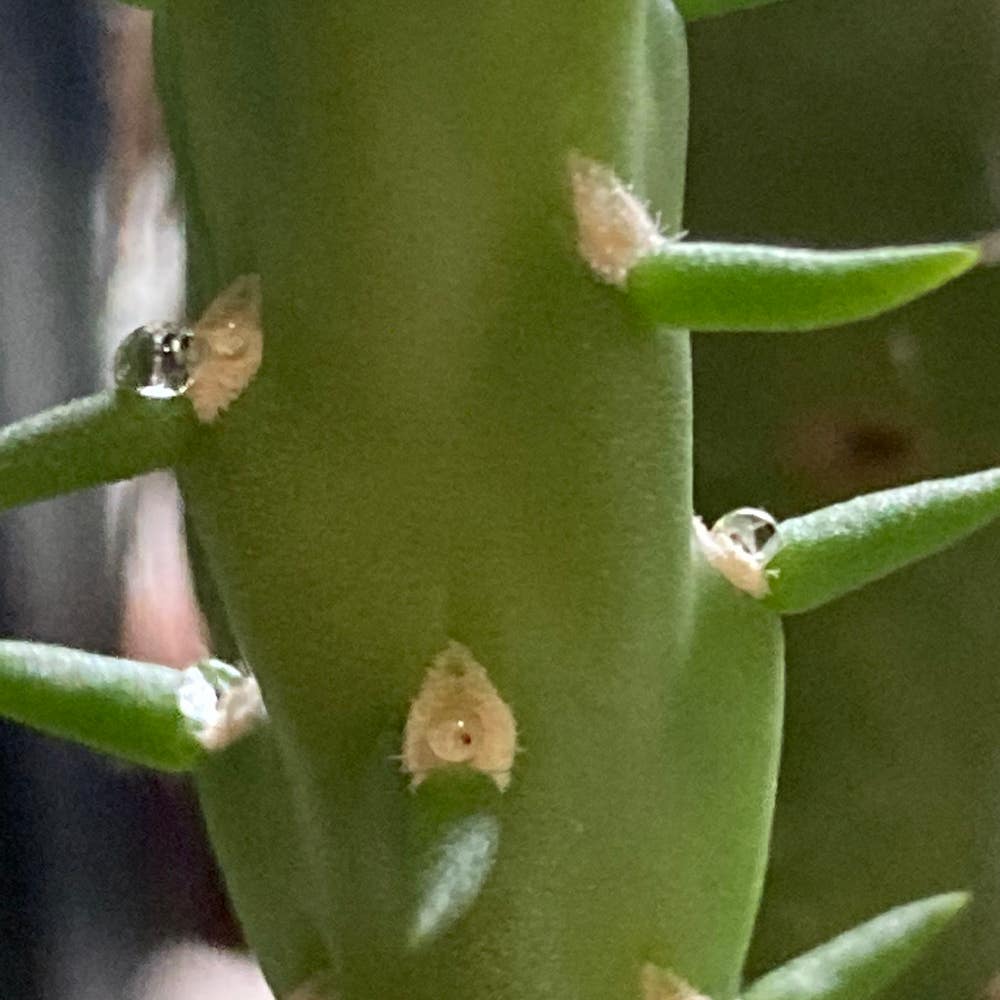
🌵 4 Secrets to Successfully Grow Cane Cholla
Cylindropuntia imbricata
By the Greg Editorial Team
Oct 02, 2024•5 min read
This article was created with the help of AI so we can cover more plants for you. May contain errors. See one? Report it here.
Cultivate a stunning desert oasis 🌵 with essential tips for thriving Cane Cholla cacti care and growth!
- 🌞 Cane Cholla needs 6-8 hours of sunlight daily for optimal growth.
- 🌬️ Wind protection is vital to prevent damage from strong gusts.
- 🌱 Well-draining soil and proper spacing prevent root rot and overcrowding.
Site Selection and Soil Preparation
Choosing the Right Location 🌞
Selecting the perfect spot for your Cane Cholla is crucial. These cacti thrive in full sun, requiring 6-8 hours of direct sunlight daily.
Wind protection is also essential. A sheltered location helps prevent damage from strong gusts, ensuring your cactus remains healthy and robust.
Soil Requirements and Preparation Techniques 🏜️
Cane Cholla prefers well-draining sandy or gravelly soil. This type of soil prevents water from pooling around the roots, which can lead to rot.
Aim for a soil pH between 6.0 and 7.5, slightly acidic to neutral. Here’s how to prepare your planting area:
- Remove any weeds and debris.
- Mix in coarse sand or perlite to enhance drainage.
- Test the soil pH and amend it if necessary.
Importance of Drainage for Cactus Health 🚰
Good drainage is vital for the health of your cactus. Poor drainage can lead to root rot and other fungal diseases, which can be detrimental.
To improve drainage, consider using raised beds or mounds. These techniques help ensure excess water flows away from the roots, promoting a thriving Cane Cholla.
With the right location and soil preparation, you’re setting the stage for successful growth. Next, let’s dive into the planting process!
Planting Cane Cholla
Step-by-Step Planting Instructions 🌱
Planting Cane Cholla is straightforward and rewarding. Start by preparing the planting hole, making it twice the width and depth of the root ball.
Next, position the plant at the same depth it was in the container. This ensures it acclimates well to its new environment.
Once positioned, backfill with soil, gently firming it around the roots. Finally, water lightly—just enough to settle the soil and eliminate air pockets.
Best Practices for Planting in Containers vs. Outdoors 🪴
When it comes to container gardening for cacti, choose pots with drainage holes to prevent water accumulation. Using a cactus-specific potting mix is essential for optimal growth.
For outdoor planting, consider spacing your Cane Cholla plants 3-5 feet apart. This allows for adequate air circulation and prevents overcrowding.
Spacing Considerations for Multiple Plants 📏
Proper spacing is crucial for healthy growth. It prevents overcrowding, which can lead to competition for nutrients and sunlight.
Aim for a distance of 3-5 feet between each plant. This spacing not only promotes healthy growth but also enhances the overall aesthetic of your garden.
With these planting tips, you’re well on your way to cultivating a thriving Cane Cholla garden. Next, let’s explore the best watering and fertilizing practices to keep your plants healthy and vibrant.
Watering and Fertilizing
Watering Techniques and Frequency 🌊
Watering is crucial for the health of your Cane Cholla. Start with a thorough initial watering right after planting to help settle the soil around the roots.
For ongoing care, establish a watering schedule of every 2-4 weeks during the growing season. This frequency allows the plant to absorb moisture without becoming waterlogged.
Fertilization Schedule and Types of Fertilizers to Use 🌱
When it comes to fertilizing, opt for a balanced, low-nitrogen fertilizer. This type is ideal for cacti, as it promotes healthy growth without overwhelming the plant.
Apply fertilizer during the growing season, specifically in spring and summer. You can choose between liquid or granular cactus fertilizers, depending on your preference and convenience.
Signs of Overwatering and Underwatering 🚨
Monitoring your Cane Cholla for signs of distress is essential. Overwatering can lead to yellowing stems and a mushy texture, indicating root issues.
On the flip side, underwatering manifests as wilting or shriveled stems. Keeping a close eye on these symptoms will help you adjust your care routine effectively.
With proper watering and fertilizing, your Cane Cholla will thrive, setting the stage for the next steps in its care.
Pruning and Ongoing Care
When and How to Prune 🌿
Pruning Cane Cholla is essential for maintaining its health. Aim to prune in late winter or early spring, just before new growth begins.
Remove any dead or damaged segments carefully. This not only improves the plant's appearance but also encourages healthy growth.
Regular Care Routine for Optimal Growth 📅
Monitoring your Cane Cholla is crucial. Regularly check for signs of pests or diseases, as early detection can save your plant.
Stick to a consistent watering and fertilizing schedule. This routine ensures your cactus thrives and remains vibrant.
Seasonal Care Tips for Different Climates ❄️
Winter can be tough on cacti, especially in colder regions. Protect your Cane Cholla from frost by using frost cloths or moving it indoors if it's in a container.
During the summer, provide some shade during extreme heat. This simple step can prevent sunburn and keep your cactus happy.
By following these pruning and care tips, you’ll set your Cane Cholla up for success. Next, let’s explore common challenges and solutions to keep your cactus thriving.
Common Challenges and Solutions
🐛 Identifying and Addressing Common Pests and Diseases
Caring for Cane Cholla can come with its share of challenges, particularly when it comes to pests. Scale insects and mealybugs are common culprits that can wreak havoc on your cactus.
To combat these pests, consider using insecticidal soap or neem oil. These treatments are effective and safe for your plants, ensuring they remain healthy and thriving.
🧐 Troubleshooting Growth Issues
If you notice stunted growth in your Cane Cholla, it’s time to investigate. Root rot or nutrient deficiencies could be the underlying issues.
Additionally, yellowing stems often signal problems with your watering practices. Adjusting your routine can make a significant difference in your plant's health.
🌪️ Tips for Protecting from Extreme Weather Conditions
Extreme weather can pose a threat to your Cane Cholla, but there are simple ways to protect them. For frost protection, use frost cloths or bring containers indoors during cold snaps.
During heat waves, providing shade can help your cacti survive the scorching sun. These proactive measures will keep your plants safe and flourishing.
By staying vigilant and addressing these common challenges, you can ensure your Cane Cholla thrives in any environment. Next, let’s explore the essential pruning and ongoing care techniques to maintain their health.
⚠️ Safety First
This content is for general information and may contain errors, omissions, or outdated details. It is not medical, veterinary advice, or an endorsement of therapeutic claims.
Always consult a qualified healthcare professional before using any plant as food, medicine, or supplement.
Never eat any plant (or feed one to pets) without confirming its identity with at least two trusted sources.
If you suspect poisoning, call Poison Control (800) 222-1222, the Pet Poison Helpline (800) 213-6680, or your local emergency service immediately.
Spotted an error? Please report it here.
Grow your Cane Cholla like a pro 🌵 with Greg's tailored care reminders and expert tips to keep your cactus thriving in any environment!