6 Perfect Plant Partners for Cane Cholla 🌵
Cylindropuntia imbricata
By the Greg Editorial Team
Oct 02, 2024•5 min read
This article was created with the help of AI so we can cover more plants for you. May contain errors. See one? Report it here.
Elevate your desert garden 🌵 with perfect companion plants for Cane Cholla and watch it thrive!
- 🌵 Agave and Desert Marigold repel pests while enhancing Cane Cholla's beauty.
- 🌼 Choose drought-tolerant partners like Red Yucca for optimal growth with Cane Cholla.
- 🎨 Consider color and texture for a visually appealing garden that supports Cane Cholla.
Ideal Companion Plants
🌵 Agave
Agave is a fantastic companion for Cane Cholla due to its similar care needs. Both plants thrive in well-drained soils and bask in full sun, making them perfect partners in a desert garden.
Additionally, Agave has pest-repellent properties. It contains saponins that deter certain pests, which can benefit nearby plants, including Cane Cholla.
🌼 Desert Marigold
Desert Marigold adds a splash of color with its bright yellow flowers, creating a striking contrast against Cane Cholla's green stems. This visual appeal enhances the overall aesthetic of your garden.
Moreover, it attracts beneficial insects. Pollinators and predatory insects flock to Desert Marigold, helping to control pests that might otherwise harm Cane Cholla.
🌺 Red Yucca
Red Yucca is another excellent choice, known for its drought tolerance. It requires minimal water, aligning perfectly with Cane Cholla's low-water needs.
This plant also shares similar habitat preferences. Both thrive in arid conditions, making them compatible companions in your garden setup.
🌸 California Poppy
California Poppy thrives in well-drained soils, just like Cane Cholla. This compatibility ensures that both plants can flourish side by side.
In addition, California Poppy offers seasonal blooming benefits. Its vibrant colors provide visual interest during blooming seasons, enhancing the garden's appeal throughout the year.
🍐 Prickly Pear
Prickly Pear shares habitat preferences with Cane Cholla, as both plants thrive in arid conditions. They require similar care, making them ideal partners.
Furthermore, Prickly Pear can aid in mutual pest management. It has the potential to deter pests that may affect Cane Cholla, promoting overall plant health in your garden.
These companion plants not only enhance the beauty of your garden but also support the health and vitality of Cane Cholla. By selecting the right partners, you can create a thriving, visually appealing desert landscape.
Next, let’s explore which plants to avoid to ensure your Cane Cholla flourishes.
Plants to Avoid
🌾 Tall Grasses
Tall grasses can be a real challenge when planting alongside Cane Cholla. They tend to outcompete for essential resources like water and nutrients, which can hinder the growth of your beloved cactus.
💧 Moisture-Loving Plants
Moisture-loving plants are another no-go for Cane Cholla. Their increased water demands can lead to root rot and other issues, jeopardizing the health of your cactus.
By steering clear of these plants, you can create a thriving environment for your Cane Cholla and its ideal companions. Next, let’s explore some design considerations to enhance your garden's visual appeal.
Design Considerations
Creating a visually appealing garden is all about using contrasting colors and textures. This approach not only enhances visual interest but also highlights the unique features of each plant.
🌱 Grouping Plants
When arranging your plants, group those with similar heights and growth habits. This creates a cohesive look that draws the eye and makes maintenance easier.
🌼 Seasonal Blooms
Consider the seasonal blooming patterns of your plants. By selecting companions that bloom at different times, you can maintain year-round appeal and keep your garden vibrant.
🌿 Texture Variety
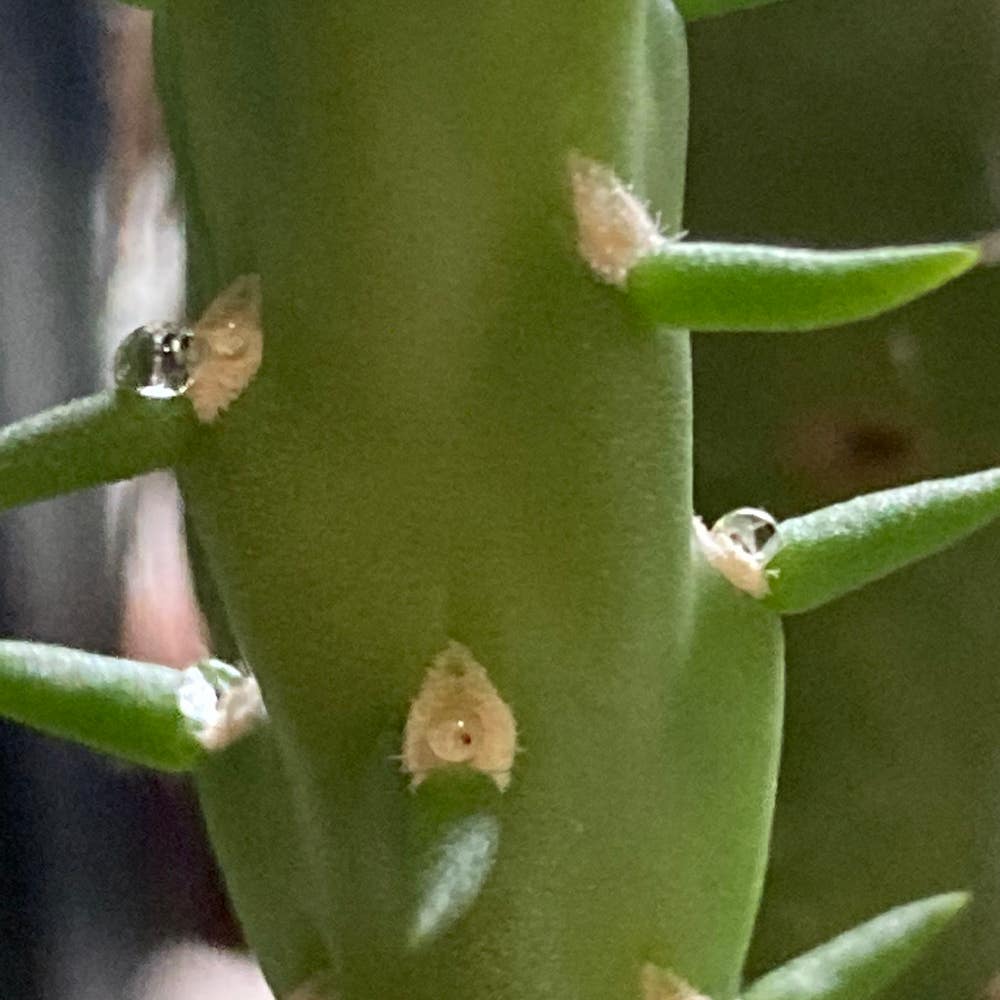
Incorporate a variety of textures to add depth to your garden. For instance, the spiky forms of Cane Cholla can be beautifully complemented by the soft foliage of companion plants.
🎨 Color Coordination
Choose companion plants that offer a striking contrast in color. Bright yellows from Desert Marigold can pop against the green stems of Cane Cholla, creating a dynamic visual display.
📐 Practical Layout
Think about the practical layout of your garden. Ensure that taller plants don’t overshadow shorter ones, allowing each plant to shine in its own right.
By thoughtfully considering these design elements, you can create a garden that not only looks stunning but also thrives in harmony. Next, let’s explore effective pest management strategies to keep your garden healthy and flourishing.
Pest Management Strategies
Enhancing Pest Management 🛡️
Companion planting can be a game-changer for pest management in your garden. By selecting the right plants, you can create a natural defense system that repels harmful pests or attracts beneficial insects.
Companion Plants for Pest Control 🌱
Certain companions, like Agave and Desert Marigold, can deter pests effectively. Agave contains saponins, which repel various insects, while Desert Marigold attracts pollinators and predatory insects that help keep pest populations in check.
Common Pests in Desert Gardens 🐜
In desert gardens, you might encounter pests like aphids, spider mites, and whiteflies. These pests can wreak havoc on your plants, but strategic companion planting can mitigate their impact.
Specific Plants to Deter Pests 🌼
- Agave: Repels pests with its saponins.
- Desert Marigold: Attracts beneficial insects that prey on harmful pests.
- Prickly Pear: Can deter pests that affect Cane Cholla, promoting overall plant health.
Creating a Balanced Ecosystem 🌍
By incorporating these companion plants, you not only enhance pest management but also create a balanced ecosystem. This approach fosters a healthier garden environment, allowing your Cane Cholla and its companions to thrive.
Transition to Design Considerations 🎨
With a solid pest management strategy in place, you can now focus on design considerations to create a visually appealing garden that complements your pest control efforts.
⚠️ Safety First
This content is for general information and may contain errors, omissions, or outdated details. It is not medical, veterinary advice, or an endorsement of therapeutic claims.
Always consult a qualified healthcare professional before using any plant as food, medicine, or supplement.
Never eat any plant (or feed one to pets) without confirming its identity with at least two trusted sources.
If you suspect poisoning, call Poison Control (800) 222-1222, the Pet Poison Helpline (800) 213-6680, or your local emergency service immediately.
Spotted an error? Please report it here.
Enhance your Cane Cholla's health and beauty by pairing it with Agave and Desert Marigold 🌼, and let Greg guide you with tailored care tips to help your garden thrive!