🌵 Why Cane Cholla Is A Perennial Plant
Cylindropuntia imbricata
By the Greg Editorial Team
Oct 02, 2024•6 min read
This article was created with the help of AI so we can cover more plants for you. May contain errors. See one? Report it here.
Transform your garden with Cane Cholla's resilience and beauty, creating a sustainable oasis! 🌵
- 🌵 Cane Cholla thrives for decades, showcasing its resilience and multi-year lifecycle.
- 🌼 Vibrant flowers attract pollinators, enhancing garden biodiversity during blooming seasons.
- 💧 Water conservation strategies allow Cane Cholla to endure arid environments effectively.
Characteristics of Cane Cholla as a Perennial
🌱 Multi-Year Lifecycle and Growth Patterns
Cane Cholla exhibits a fascinating multi-year lifecycle. It begins with initial establishment, where the plant focuses on root development and stem growth.
As it matures, Cane Cholla transitions into a flowering phase, producing vibrant yellow or pink flowers that attract pollinators. This flowering and subsequent seed production are crucial for its propagation.
Growth Patterns
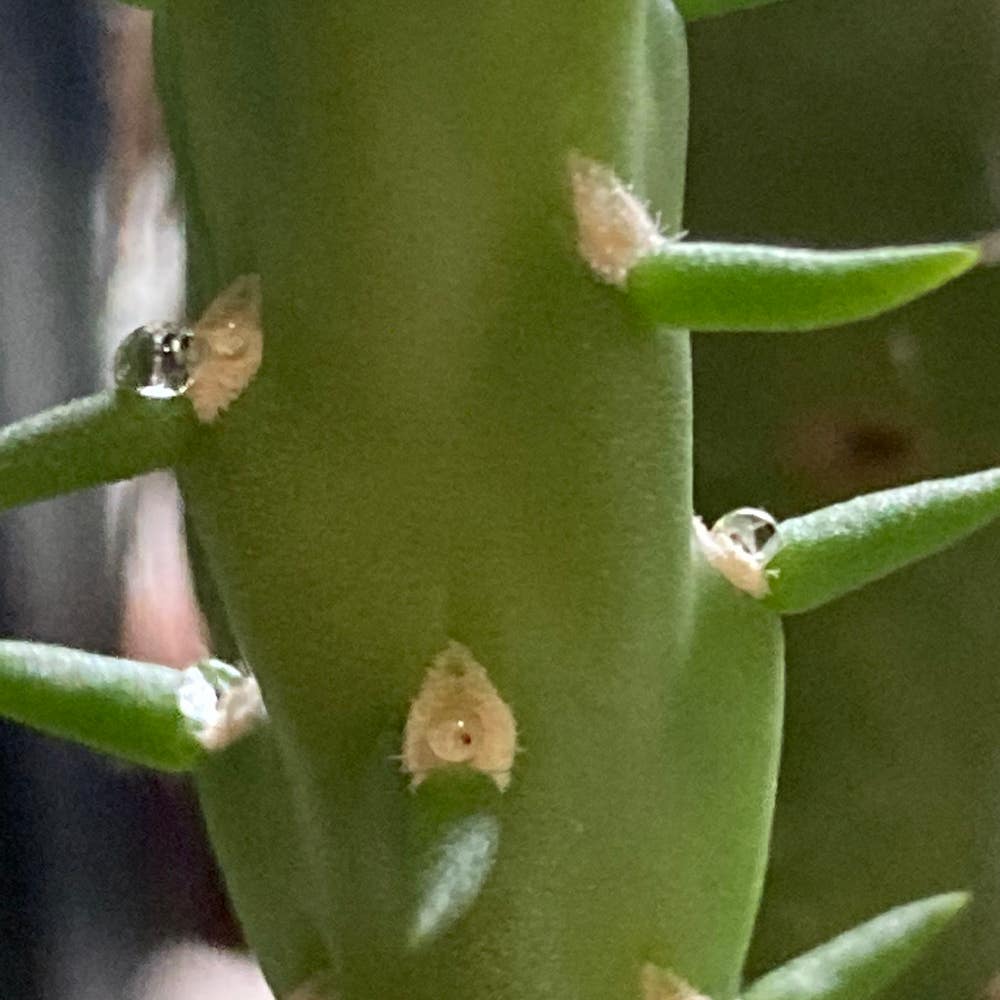
Cane Cholla's segmented stems are a remarkable adaptation for water storage. This feature allows the plant to thrive in arid environments, making it resilient against drought.
During the blooming season, the striking flowers not only enhance its beauty but also play a vital role in its reproductive cycle.
🌿 Ability to Regrow from the Same Roots Each Year
One of Cane Cholla's standout characteristics is its ability to regenerate from the same root system each year. After seasonal dieback, the plant relies on its robust root system to sprout anew.
Root health is essential for this successful regrowth. A well-established root system ensures that Cane Cholla can bounce back even after harsh conditions.
Comparison with Other Cacti and Perennials
Cane Cholla's unique adaptations set it apart from other cacti and perennials. While many plants struggle to survive seasonal changes, Cane Cholla thrives, showcasing its resilience and adaptability.
This ability to regrow from the roots not only highlights its perennial nature but also emphasizes its role in sustainable gardening practices.
As we explore further, we’ll delve into how these characteristics impact Cane Cholla's growth and lifespan.
Growth and Lifespan Implications
🌼 How Perennial Nature Affects Growth and Flowering
Cane Cholla's perennial nature means it enjoys a continuous growth cycle, which significantly impacts its flowering frequency. Unlike annual plants, Cane Cholla can bloom multiple times throughout the growing season, providing vibrant colors to your garden.
Seasonal blooming patterns are also noteworthy. Typically, Cane Cholla flowers in late spring to early summer, showcasing stunning yellow or pink blooms that attract pollinators. The timing and duration of these blooms can vary based on environmental conditions, making each season a unique experience.
⏳ Expected Lifespan of Cane Cholla
Under optimal conditions, Cane Cholla can live for several decades. This longevity is a testament to its resilience and adaptability in various environments.
Several factors influence its lifespan. Environmental conditions play a crucial role, including soil quality, water availability, and sunlight exposure. Additionally, Cane Cholla's ability to resist pests and diseases contributes to its overall health and longevity.
Understanding these aspects can help gardeners appreciate the enduring beauty of Cane Cholla and its role in sustainable gardening practices. As we delve deeper into Cane Cholla's dormancy and seasonal changes, we’ll uncover more about its fascinating lifecycle.
Dormancy and Seasonal Changes
🌱 Description of Dormancy Periods
Cane Cholla experiences dormancy primarily triggered by seasonal changes. As temperatures drop and rainfall decreases, this resilient plant conserves energy and resources, preparing for the harsher conditions ahead.
During dormancy, Cane Cholla undergoes significant physiological changes. It reallocates energy to its root system, ensuring survival until the next growing season.
🍂 Seasonal Changes in Cane Cholla's Lifecycle
Cane Cholla's lifecycle consists of distinct growth phases: active growth and dormancy. In the active phase, it thrives, showcasing vibrant blooms and robust growth, while dormancy allows it to rest and recharge.
To adapt to seasonal changes, Cane Cholla employs effective water conservation strategies. During dry periods, it minimizes water loss, ensuring its survival until the next rainfall.
This remarkable ability to endure seasonal shifts not only highlights Cane Cholla's resilience but also sets the stage for its impressive growth and flowering in the warmer months. As we explore the advantages of this perennial plant for gardeners, understanding its dormancy and seasonal changes becomes essential.
Advantages for Gardeners
Benefits of Reduced Replanting 🌱
Cane Cholla offers significant advantages for gardeners, primarily through its perennial nature. This means less frequent replanting, which translates to cost-effectiveness over time.
Investing in perennials like Cane Cholla is a smart choice for those looking to create a sustainable garden. With fewer disturbances to the soil and ecosystem, you can cultivate a thriving environment that benefits both plants and wildlife.
Importance of Established Root Systems 🌳
One of the standout features of Cane Cholla is its deep root system. This characteristic enhances drought resistance, allowing the plant to thrive even in arid conditions.
Moreover, established roots improve nutrient uptake, contributing to long-term soil health. A robust root system not only supports the plant but also enriches the surrounding soil, creating a healthier garden ecosystem.
Incorporating Cane Cholla into your garden not only simplifies maintenance but also promotes a sustainable and resilient landscape. As we explore further, we'll look at how to maximize these benefits in your garden planning.
Climate Zone Variations
Variations in Perennial Behavior Across Different Climates 🌵
Cane Cholla showcases remarkable adaptability across various climate zones. Whether in arid deserts or more temperate regions, this perennial plant thrives by adjusting its growth patterns and survival strategies.
In extreme conditions, Cane Cholla employs specific adaptations. Its segmented stems not only store water but also minimize moisture loss, allowing it to endure prolonged dry spells. This resilience makes it a favorite among gardeners looking for low-maintenance options.
Impact of Growing Conditions on Cane Cholla's Perennial Nature 🌍
Soil type and drainage play crucial roles in the health of Cane Cholla's root system. Well-draining soil prevents root rot, ensuring that the plant can access the moisture it needs without becoming waterlogged.
Temperature and humidity also significantly influence Cane Cholla's growth and dormancy. In hotter climates, the plant may enter dormancy earlier, conserving energy and resources until conditions improve. Understanding these factors can help gardeners optimize their cultivation strategies.
As we explore the advantages of Cane Cholla for gardeners, it's essential to consider how these climate variations impact its growth and overall health.
Maximizing Benefits in Garden Planning
Tips for Long-Term Cultivation 🌱
When planting Cane Cholla, start with well-draining soil to prevent root rot. Prepare the ground by mixing in sand or gravel to enhance drainage.
Regular maintenance is key to thriving plants. Water them sparingly, especially during dormancy, to mimic their natural arid environment.
Strategies for Incorporating Cane Cholla into Garden Designs 🎨
Consider companion planting to enhance your garden's biodiversity. Pair Cane Cholla with drought-resistant perennials for a vibrant, low-maintenance landscape.
Design your garden with both aesthetics and functionality in mind. Cane Cholla can serve as a striking focal point while also providing habitat for local wildlife.
Incorporating these strategies will not only elevate your garden's beauty but also ensure the long-term health of your Cane Cholla plants. With the right planning, you can create a sustainable and visually appealing space that thrives year after year.
⚠️ Safety First
This content is for general information and may contain errors, omissions, or outdated details. It is not medical, veterinary advice, or an endorsement of therapeutic claims.
Always consult a qualified healthcare professional before using any plant as food, medicine, or supplement.
Never eat any plant (or feed one to pets) without confirming its identity with at least two trusted sources.
If you suspect poisoning, call Poison Control (800) 222-1222, the Pet Poison Helpline (800) 213-6680, or your local emergency service immediately.
Spotted an error? Please report it here.
Discover the resilient beauty of Cane Cholla 🌼 and let Greg provide personalized care reminders to help your plant thrive for decades to come!