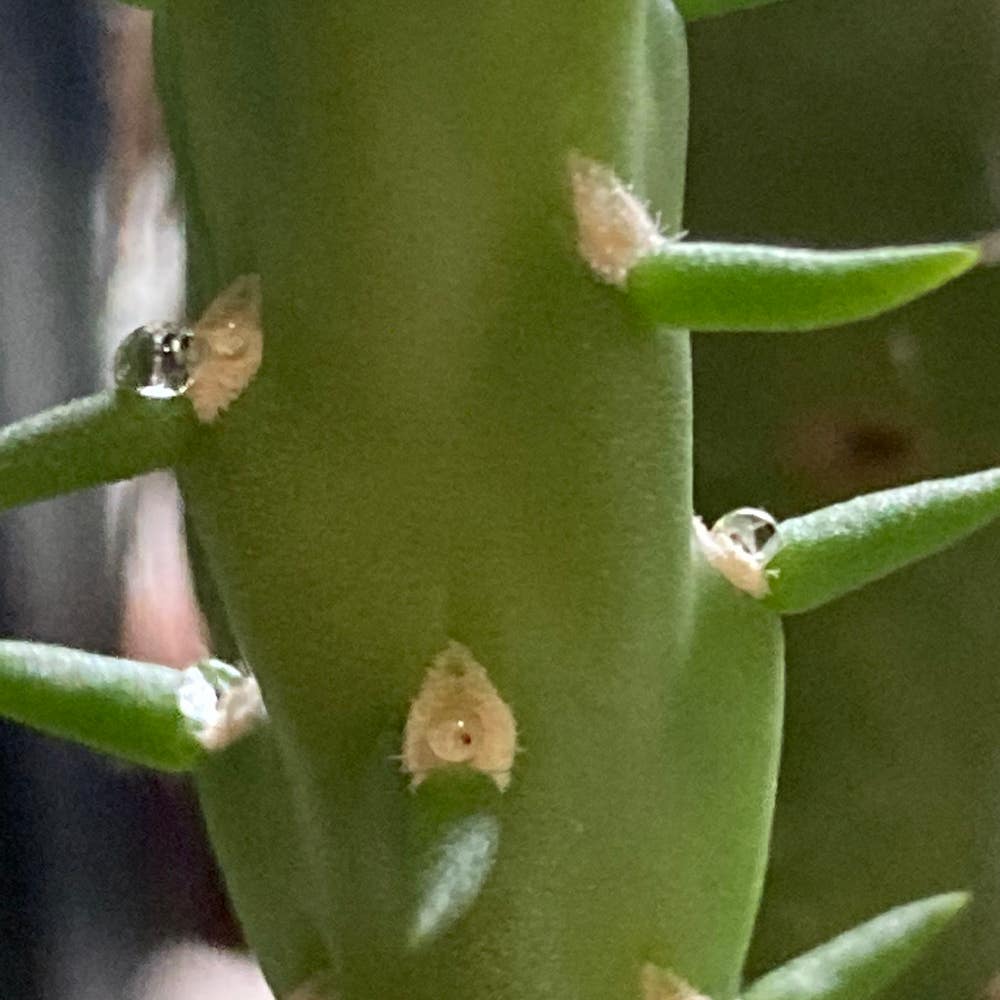
What You Should Know About Cane Cholla 🌵
Cylindropuntia imbricata
By the Greg Editorial Team
Jan 10, 2025•9 min read
This article was created with the help of AI so we can cover more plants for you. May contain errors. See one? Report it here.
Elevate your garden's beauty with Cane Cholla 🌵 by mastering essential care tips for thriving growth!
- 🌞 Cane Cholla needs 6-8 hours of sunlight daily for optimal growth.
- 🌵 Water sparingly and ensure well-draining soil to prevent root rot.
- 🐾 Handle with gloves to avoid skin irritation from Cane Cholla's spines.
How to Grow
Choosing a Location 🌞
Cane Cholla thrives in full sun, requiring 6 to 8 hours of direct sunlight daily. It prefers warm temperatures, ideally above 70°F (21°C), making it perfect for sunny gardens.
Soil Preparation 🏜️
For optimal growth, use well-draining soil, such as sandy or rocky mixes. Aim for a slightly acidic to neutral pH level, ideally between 6.0 and 7.0, to support healthy root development.
Planting Techniques 🌱
When planting outdoors, space your Cane Cholla 3 to 5 feet apart to allow for growth. Ensure you plant at the same depth as it was in the nursery pot to maintain stability.
Watering Requirements 🚰
Water your Cane Cholla sparingly, allowing the soil to dry out completely between waterings. Consider using a drip irrigation system or watering at the base to prevent wetting the stems, which can lead to rot.
Fertilizing 🍽️
Use a low-nitrogen, slow-release cactus fertilizer to nourish your plant. Fertilize once in early spring and again in mid-summer to promote healthy growth.
Pruning and Ongoing Care ✂️
Regularly check your Cane Cholla for dead or damaged segments and cut them back to encourage new growth. Keep an eye out for pests or diseases to ensure your plant remains healthy and vibrant.
With these guidelines, you can cultivate a thriving Cane Cholla that adds unique beauty to your garden. Next, let’s explore how to propagate this resilient cactus!
Propagation
🌱 Methods of Propagation
Cane Cholla can be propagated through two primary methods: seed propagation and cutting propagation. Each method has its own steps and requirements, making it accessible for both novice and experienced gardeners.
Seed Propagation
- Collect Seeds: Start by gathering seeds from mature fruit. This ensures you have viable seeds for planting.
- Sow Seeds: Plant the seeds in well-draining soil. This is crucial for preventing root rot during germination.
- Water and Cover: Water the seeds lightly and cover them with plastic. This creates a humid environment that encourages germination.
Cutting Propagation
- Take Cuttings: Select healthy stem cuttings that are 4-6 inches long. Ensure the cuttings are free from disease.
- Callous the Cuttings: Allow the cuttings to callous for 1-2 days. This step helps prevent rot when planted.
- Plant and Water: Place the cuttings in well-draining soil and water sparingly. Overwatering can lead to issues, so keep the soil just moist.
Both methods are effective, but cutting propagation is often quicker, allowing you to expand your Cane Cholla collection in no time. With the right care, you'll soon have thriving plants ready to enhance your garden.
Next, let's explore the lifecycle of Cane Cholla, from germination to maturity.
Size
Mature Height and Spread 🌵
Cane Cholla typically reaches a mature height of 3 to 6 feet, making it a striking addition to any landscape. Its spread can range from 2 to 4 feet wide, allowing it to occupy a significant footprint in your garden.
Growth Rate and Factors Affecting Size 📈
The growth rate of Cane Cholla is moderate, largely influenced by water availability and sunlight exposure. Variability in size can occur based on soil quality and climate conditions, so keep these factors in mind when planning your garden.
With the right care, your Cane Cholla can thrive and become a stunning focal point in your outdoor space. Next, let’s explore the fascinating lifecycle of this resilient plant.
Companion Plants
🌱 Explanation of Companion Planting
Companion planting is a gardening strategy that promotes diversity and enhances pest management. By pairing compatible plants, you can create a more resilient ecosystem in your garden.
🌼 Best Companion Plants
When growing Cane Cholla, consider these excellent companions:
- Agave: Shares similar care needs and thrives in dry conditions.
- Desert Marigold: Attracts pollinators and adds vibrant color to your landscape.
- Yucca: Prefers the same environmental conditions, making it a perfect match.
🚫 Plants to Avoid
Avoid planting heavy feeders like tomatoes or corn near Cane Cholla. These plants compete for nutrients, potentially hindering the growth of your cactus.
By selecting the right companions, you can enhance the health and beauty of your garden while ensuring your Cane Cholla thrives. Next, let’s explore the potential toxicity of Cane Cholla to humans and pets.
Toxicity to Humans
Potential Irritation 🌵
Cane Cholla can pose some risks to humans, primarily due to its spines and sap. Contact with these parts may lead to skin rashes, itching, mild gastrointestinal upset, or even eye irritation.
Guidance for Symptoms 🚑
If you experience any of these symptoms, it's wise to seek medical care if they persist. Fortunately, most irritations are self-limiting and will resolve on their own.
Safe Handling Tips 🧤
To minimize the risk of irritation, always wear gloves when handling Cane Cholla. Additionally, wash your hands thoroughly after contact to ensure any sap or spines are removed.
This knowledge can help you enjoy your gardening experience while staying safe. Next, let’s explore how Cane Cholla affects our furry friends, particularly dogs.
Toxicity to Dogs
Potential Irritation 🐶
Cane Cholla can pose some risks to dogs, primarily due to its spines and sap. If your furry friend comes into contact with these parts, you might notice symptoms like drooling, pawing at the mouth, mild vomiting, or skin irritation.
Guidance for Pet Owners 🩺
If your dog shows any of these symptoms, it's best to seek veterinary care, especially if the irritation persists. Fortunately, most cases resolve on their own with proper attention and care.
Being aware of these potential irritations can help you keep your canine companion safe while enjoying your garden. Always supervise your pets around plants, and consider using barriers if necessary to prevent any unwanted encounters.
Next, let’s explore how Cane Cholla can affect our feline friends.
Toxicity to Cats
⚠️ Potential Irritation
Cane Cholla can pose some risks to our feline friends. The spines and sap of this cactus may cause irritation if they come into contact with a cat's skin or mouth.
👀 Symptoms to Watch For
If your cat has interacted with Cane Cholla, keep an eye out for drooling, pawing at the mouth, mild vomiting, or skin irritation. These symptoms can be concerning, but they typically resolve on their own.
🩺 When to Seek Help
If symptoms persist or worsen, it's best to consult your veterinarian for advice. Quick action can ensure your cat remains healthy and comfortable.
🧤 Safe Handling Tips
To prevent any issues, always handle Cane Cholla with care. Wearing gloves and washing your hands thoroughly after contact can help minimize the risk of irritation for both you and your pets.
By being aware of these potential irritations, you can enjoy your Cane Cholla while keeping your furry companions safe. Now, let’s explore the common problems that can arise when caring for this unique cactus.
Problems
Common Problems 🌵
Cane Cholla can thrive in various conditions, but it’s not immune to issues. Here are some common problems you might encounter while growing this resilient cactus.
1. Incorrect Watering
Yellowing or wilting can signal incorrect watering. This issue often arises from either overwatering or underwatering, so adjust your watering frequency based on the soil's moisture level.
2. Incorrect Light Conditions
If you notice etiolated growth, your Cane Cholla may not be getting enough sunlight. Moving it to a sunnier location can help restore its health.
3. Incorrect Temperature
Stunted growth can indicate exposure to cold temperatures. Protect your plant from frost and cold drafts to maintain its vigor.
4. Diseases
Fungal issues, like powdery mildew, often stem from high humidity. To combat this, improve air circulation and reduce humidity around your plant.
5. Leaf Issues
Scorching or yellowing leaves can result from excessive sun exposure. Providing partial shade during peak sun hours can help prevent this damage.
By keeping an eye on these common problems, you can ensure your Cane Cholla remains healthy and thriving. Next, let’s explore the potential pest issues that could affect your plant.
Bugs
Potential Pest Issues 🐜
Cane Cholla is generally pest-resistant, making it a resilient choice for your garden. However, it can still fall victim to a few pesky intruders.
Relevant Pests 🦠
Spider Mites
- Identification: Look for fine webbing on stems, which indicates their presence. Damage manifests as leaf discoloration, signaling that your plant is under stress.
- Treatment: To combat spider mites, increase humidity around the plant and consider using miticides for effective control.
Scale Insects
- Identification: These pests appear as hard, shell-like bumps on stems. They can stunt growth, making your Cane Cholla look less vibrant.
- Treatment: Remove scale insects by hand or apply insecticidal soap to eliminate them safely.
Mealybugs
- Identification: Recognizable by their white, cottony masses on stems, mealybugs can weaken your plant significantly.
- Treatment: Use cotton swabs dipped in alcohol to remove mealybugs, ensuring your Cane Cholla stays healthy and thriving.
By keeping an eye out for these pests and addressing issues promptly, you can maintain the health and beauty of your Cane Cholla. Next, let’s explore what animals might be interested in snacking on your cactus.
What Eats
Common Animals 🦌
Cane Cholla faces threats from various animals that find its succulent stems and fruits irresistible. Understanding these potential pests can help you protect your plant effectively.
Deer 🦌
Deer are known to browse on Cane Cholla, often leaving stripped segments in their wake. To deter them, consider installing fencing or using repellents that mask the scent of the plant.
Rabbits 🐇
Rabbits can be a nuisance, chewing on the stems and causing stunted growth. Physical barriers or repellents can help keep these furry intruders at bay.
Squirrels 🐿️
Squirrels may gnaw on the stems, leading to weakened plants. Traps or repellents can be effective solutions to manage their presence.
Birds 🐦
Birds might peck at the Cane Cholla, resulting in fruit loss. Using netting or reflective objects can discourage them from feasting on your plant.
Rodents 🐭
Rodents can burrow near the roots, causing significant root damage. Employing traps or encouraging natural predators can help control their population around your garden.
By being aware of these common threats and implementing appropriate deterrents, you can ensure your Cane Cholla thrives in its environment. Next, let's explore the potential pest issues that can affect its health.
⚠️ Safety First
This content is for general information and may contain errors, omissions, or outdated details. It is not medical, veterinary advice, or an endorsement of therapeutic claims.
Always consult a qualified healthcare professional before using any plant as food, medicine, or supplement.
Never eat any plant (or feed one to pets) without confirming its identity with at least two trusted sources.
If you suspect poisoning, call Poison Control (800) 222-1222, the Pet Poison Helpline (800) 213-6680, or your local emergency service immediately.
Spotted an error? Please report it here.
Transform your garden with a thriving Cane Cholla 🌵 by using Greg's tailored watering alerts and pest management tips to keep your cactus healthy and vibrant!