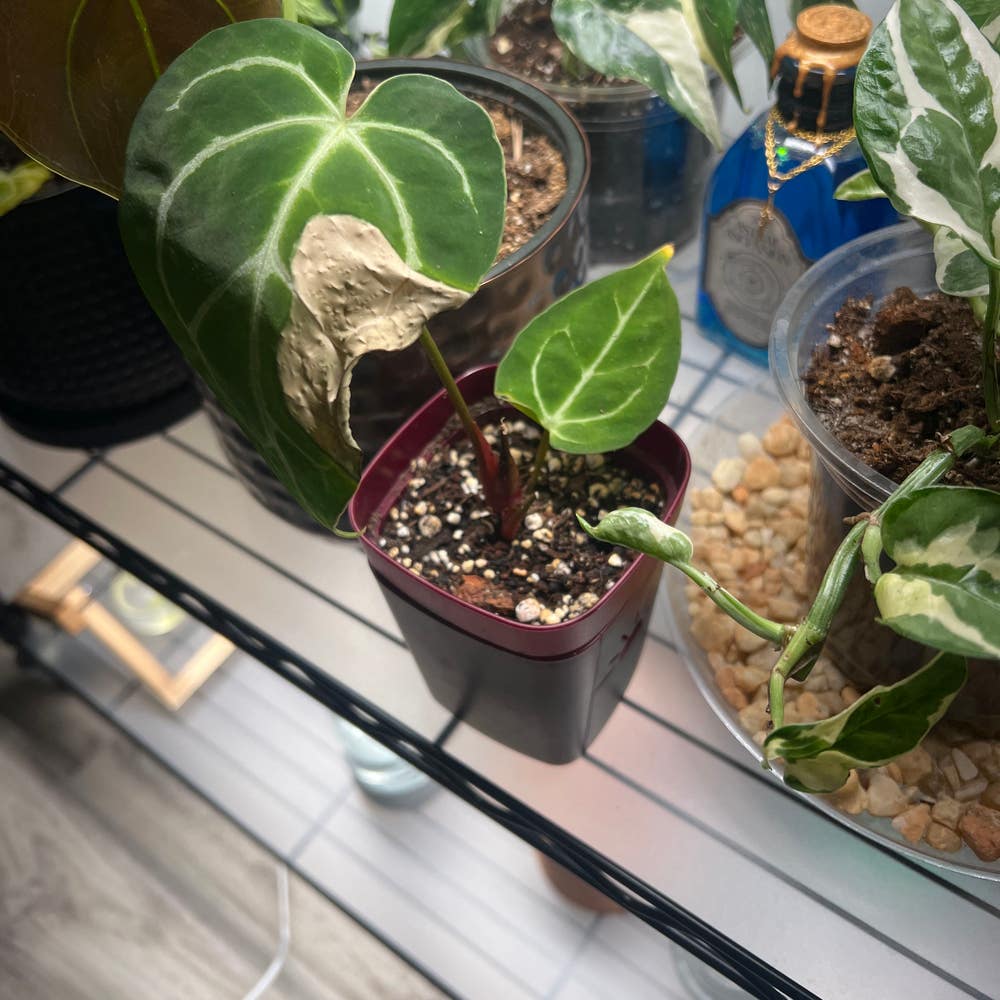
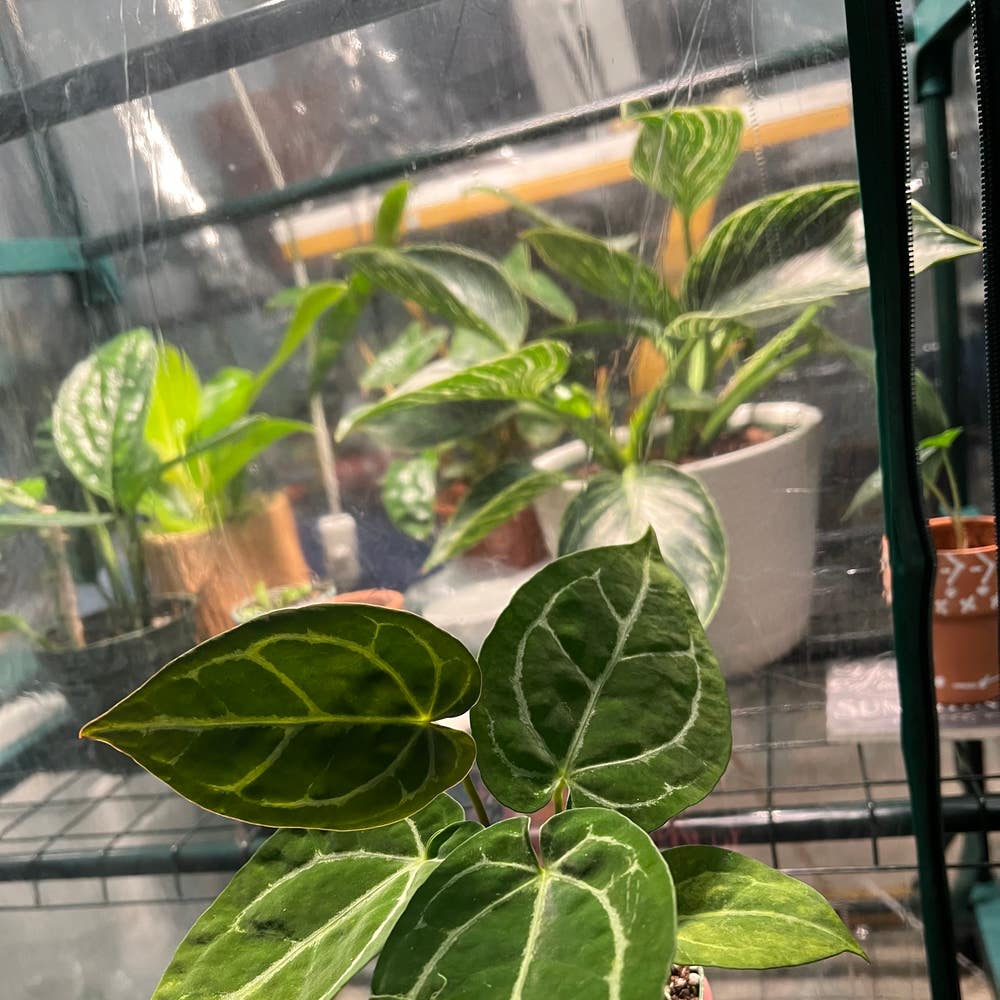
Where to Plant: Anthurium crystallinum x magnificum ⛏️
Anthurium crystallinum x magnificum
By the Greg Editorial Team
Sep 29, 2024•5 min read
This article was created with the help of AI so we can cover more plants for you. May contain errors. See one? Report it here.
Master the art of nurturing vibrant Anthuriums 🌱 by understanding their sunlight and soil needs for thriving growth! 🌞
- 🌞 Anthurium thrives in bright, indirect light; aim for 6-8 hours daily.
- 🌳 Ideal outdoor spots include shaded areas under trees or structures for optimal growth.
- 🌱 Use well-draining soil with a pH of 5.5-6.5 for best results.
Sunlight Exposure Requirements
Ideal Sunlight Conditions 🌞
Anthurium crystallinum x magnificum thrives in bright, indirect light. Direct sunlight can scorch its leaves, so aim for 6-8 hours of filtered light daily to keep your plant happy and healthy.
Shade Tolerance and Preferences 🌳
This plant has moderate shade tolerance and can adapt to lower light conditions, though its growth may slow. For optimal shade placement, position it near taller plants or structures to provide dappled light, while avoiding full shade to prevent stunted growth.
Indoor vs. Outdoor Planting Considerations 🏡
For indoor planting, place your Anthurium near east or north-facing windows to maximize light exposure. Using sheer curtains can help diffuse harsh sunlight, creating a cozy environment for your plant.
When planting outdoors, look for ideal locations under tree canopies or near structures that provide shade. Keep an eye on changes in light throughout the day to ensure your Anthurium receives adequate exposure, allowing it to flourish in its new home.
With the right sunlight conditions established, you're well on your way to nurturing a vibrant Anthurium. Next, let’s explore the soil type and conditions that will support its growth.
Soil Type and Conditions
Ideal Soil Composition 🌱
Anthurium crystallinum x magnificum thrives in well-draining, organic-rich soil. For the best results, mix 50% potting soil, 30% perlite or orchid bark, and 20% peat moss or coconut coir.
Drainage Needs 🚰
Proper drainage is crucial to prevent root rot. Ensure your pots or garden beds have adequate drainage holes, and consider using raised beds or mounds to enhance drainage in outdoor settings.
Soil pH Preferences ⚗️
Aim for a soil pH between 5.5 and 6.5 for optimal growth. You can test the pH using a soil pH meter or test kit, and amend the soil with sulfur or lime as needed to achieve the desired levels.
Understanding these soil requirements will set the foundation for your Anthurium's health. Next, let’s explore how microclimates and environmental factors can impact your plant's growth.
Microclimates and Environmental Factors
🌱 Assessing Microclimates in Your Garden
Understanding microclimates is key to successfully growing your Anthurium crystallinum x magnificum. Look for areas in your garden that offer varying light, temperature, and moisture levels.
These spots often retain humidity, especially near water features or dense foliage. Such environments can significantly enhance the growth and vitality of your plant.
🌬️ Wind Protection Strategies
Anthuriums are sensitive to strong winds, which can damage their delicate leaves. To protect them, consider planting near walls or hedges that can act as natural barriers.
Using windbreaks like fences or taller plants can also shield your Anthurium from harsh gusts. This simple strategy can make a big difference in your plant's health.
🌡️ Temperature Considerations
The ideal temperature range for your Anthurium is between 20°C to 30°C (68°F to 86°F). It's crucial to avoid placing your plant in areas that experience extreme temperature fluctuations.
Consistent temperatures will help your Anthurium thrive, ensuring it remains lush and vibrant. Keeping these environmental factors in mind will set you up for success.
With a solid understanding of microclimates and environmental factors, you're well on your way to creating the perfect home for your Anthurium. Next, let's explore how to choose the best spot for your plant, ensuring it gets the light and nutrients it needs.
Proximity to Other Plants and Structures
🌱 Companion Planting Recommendations
Anthurium crystallinum x magnificum thrives alongside other tropical plants, such as ferns and philodendrons. These companions share similar light and moisture needs, creating a harmonious garden environment.
Avoid planting near aggressive growers that might compete for resources. This ensures your Anthurium can access the nutrients and space it needs to flourish.
📏 Spacing and Layout in Garden Design
For optimal growth, space your Anthurium 18-24 inches apart. This distance allows for adequate airflow, reducing the risk of fungal issues and promoting healthy development.
Consider a layout that facilitates easy access for maintenance and watering. A well-planned garden design not only looks good but also makes caring for your plants a breeze.
🚫 Avoiding Competition for Resources
Keep an eye on overcrowding in your garden. Regularly assess neighboring plants for signs of competition, such as stunted growth or yellowing leaves.
Ensuring your Anthurium has enough space is crucial for its health. A little vigilance goes a long way in maintaining a thriving garden ecosystem.
As you plan your garden, remember that the right companions and spacing can make all the difference in your Anthurium's success. Next, let’s explore how to assess and choose the best spot for your plant.
Assessing and Choosing the Best Spot
🌞 Evaluating Light and Shade Patterns
To find the perfect spot for your Anthurium crystallinum x magnificum, start by observing the area at different times of day. This will help you assess how light exposure changes throughout the day.
If you're serious about accuracy, consider using a light meter to measure intensity. This tool can give you precise readings, ensuring your plant gets the right amount of light.
🌱 Testing Soil Conditions
Next, conduct soil tests to evaluate drainage and nutrient content. This step is crucial for creating optimal growing conditions.
Based on your test results, amend the soil as needed. This could involve adding organic matter or adjusting pH levels to suit your plant’s preferences.
🔍 Observing Environmental Changes Over Time
Once you've chosen a location, keep an eye on it for seasonal changes in light and moisture. This ongoing observation will help you understand how the environment affects your plant.
Be prepared to adjust the placement if necessary. Your Anthurium's performance will guide you in making the right decisions for its health and growth.
By carefully assessing light, soil, and environmental factors, you set your Anthurium up for success. Next, let’s explore the ideal soil type and conditions to further enhance its growth.
⚠️ Safety First
This content is for general information and may contain errors, omissions, or outdated details. It is not medical, veterinary advice, or an endorsement of therapeutic claims.
Always consult a qualified healthcare professional before using any plant as food, medicine, or supplement.
Never eat any plant (or feed one to pets) without confirming its identity with at least two trusted sources.
If you suspect poisoning, call Poison Control (800) 222-1222, the Pet Poison Helpline (800) 213-6680, or your local emergency service immediately.
Spotted an error? Please report it here.
Ensure your Anthurium crystallinum x magnificum thrives 🌿 with Greg's personalized care reminders and expert tips for the perfect light and soil conditions!