🦋 Anthurium crystallinum x magnificum Companion Plants
Anthurium crystallinum x magnificum
By the Greg Editorial Team
Sep 29, 2024•4 min read
This article was created with the help of AI so we can cover more plants for you. May contain errors. See one? Report it here.
Elevate your indoor garden 🌱 with perfect companion plants for your Anthurium and enjoy a thriving, vibrant space!
- 🌱 Philodendron gloriosum and Monstera adansonii thrive with Anthurium's humidity and light needs.
- 🌼 Companion plants like Marigolds and Basil deter pests, promoting Anthurium's health.
- 🎨 Thoughtful combinations enhance aesthetics and create a vibrant indoor oasis.
Best Companion Plants
Philodendron gloriosum 🌿
Philodendron gloriosum is a fantastic choice for your Anthurium. It thrives in high humidity and indirect light, mirroring the conditions that Anthurium loves.
The complementary foliage shapes and colors of Philodendron gloriosum enhance the visual appeal of your indoor garden. Together, they create a lush, vibrant atmosphere.
Monstera adansonii 🥑
Monstera adansonii shares similar care needs with Anthurium, preferring the same watering and light conditions. This compatibility makes plant care a breeze.
Additionally, Monstera adansonii has natural pest deterrent properties, helping to protect your Anthurium from unwanted invaders. It’s a win-win for your plant collection!
Pothos 🌱
Pothos is known for its easy care and adaptability, tolerating a range of conditions. This makes it a reliable companion for your Anthurium.
Its cascading growth adds depth and texture to your plant display, creating a visually appealing contrast with the broader leaves of Anthurium. You’ll love the dynamic look it brings!
Calathea orbifolia 🌈
Calathea orbifolia thrives in the same high humidity environment as Anthurium, making it an ideal companion. Both plants will flourish together, creating a mini rainforest vibe.
The unique leaf patterns of Calathea orbifolia create visual interest alongside the smooth foliage of Anthurium. This pairing is sure to catch the eye!
Ficus elastica 🌳
Ficus elastica enjoys bright, indirect light, aligning perfectly with the needs of Anthurium. This similarity simplifies your plant care routine.
Moreover, Ficus elastica is known for its air-purifying qualities, enhancing indoor air quality. This not only benefits your Anthurium but also contributes to a healthier living space.
These companion plants not only share care requirements but also enhance the aesthetic appeal of your indoor garden. Next, let’s explore which plants to avoid for the best results.
Plants to Avoid
🌵 Cacti and Succulents
Cacti and succulents thrive in dry conditions, which is the opposite of what Anthurium needs. This mismatch can lead to overwatering issues, ultimately harming your Anthurium.
🌸 Lavender
Lavender prefers dry environments, making it unsuitable for humidity-loving Anthurium. Pairing these two can create an inhospitable setting for your tropical plant.
🌿 Rosemary
Rosemary also favors drier air, which can stress your Anthurium. This incompatibility can hinder growth and overall health, so it's best to keep them apart.
Choosing the right companions is crucial for your Anthurium's success. By avoiding these plants, you can create a thriving indoor garden that meets your Anthurium's specific needs.
Aesthetic Considerations
🎨 Color and Texture Combinations
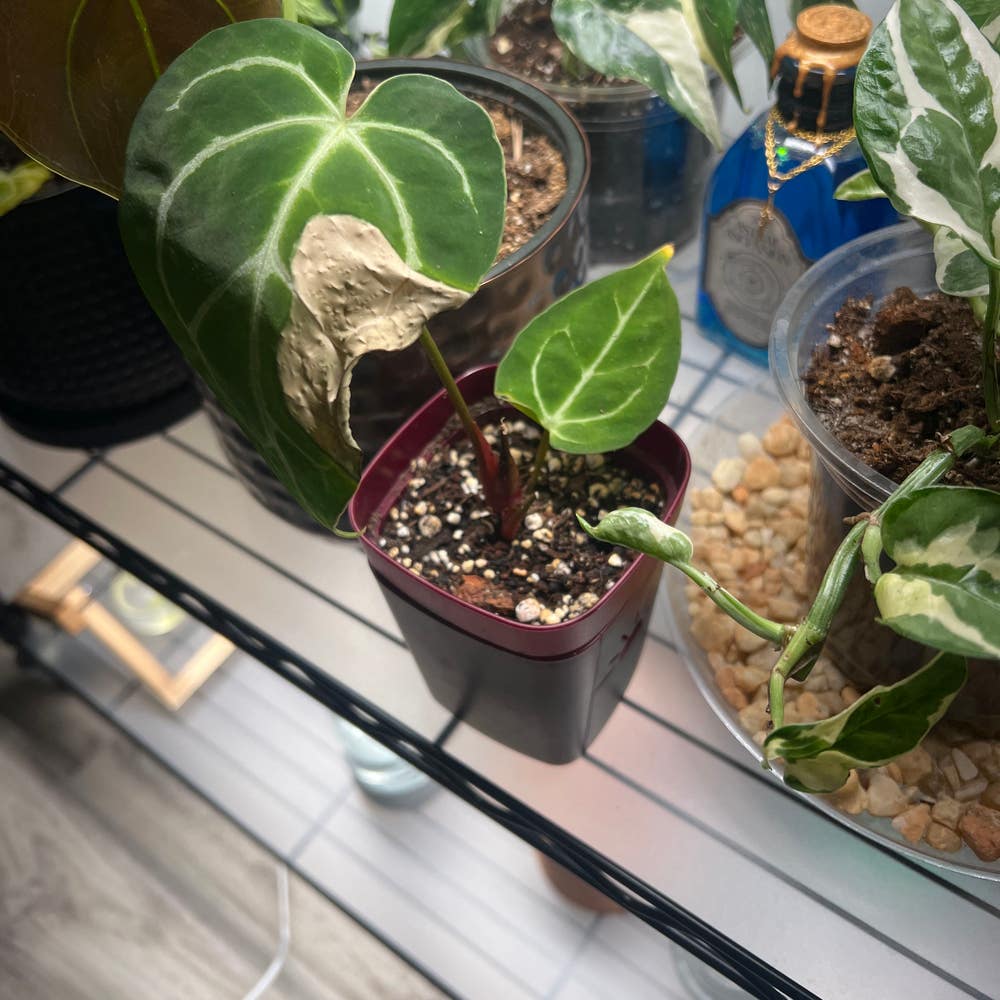
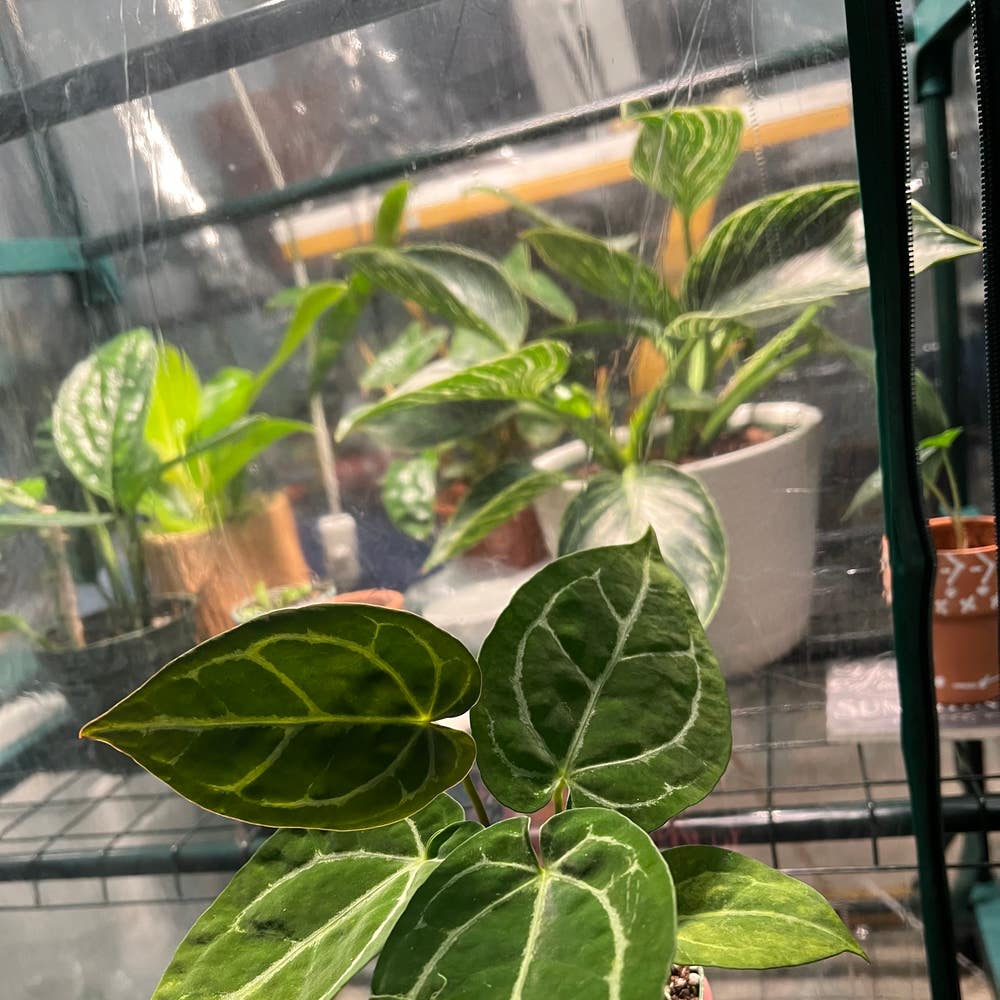
Creating a cohesive look in your indoor garden starts with understanding color and texture. Pairing the rich, dark greens of Anthurium with the vibrant hues of companion plants can create a striking visual contrast.
Consider using plants with varied leaf shapes and sizes. For instance, the broad leaves of Philodendron gloriosum can beautifully complement the heart-shaped foliage of Anthurium, enhancing the overall aesthetic.
🌿 Layering Plants for Depth and Interest
Layering is key to achieving a dynamic indoor garden. Start by placing taller plants like Ficus elastica at the back, allowing shorter plants like Pothos to cascade in front.
This arrangement not only adds depth but also creates a sense of movement. Experiment with different heights and textures to keep the eye engaged and make your space feel lush and inviting.
By thoughtfully combining colors and layering plants, you can transform your indoor garden into a vibrant oasis. This approach not only enhances visual appeal but also promotes a healthy environment for your Anthurium and its companions.
Next, let’s explore effective pest management strategies to keep your plants thriving.
Pest Management Strategies
Companion Plants with Pest-Repellent Properties 🌼
Choosing the right companion plants can significantly enhance your Anthurium's health. For instance, Marigolds are well-known for their ability to repel nematodes and aphids, making them a great addition to your indoor garden.
Basil is another excellent option. Its strong scent can deter flies and mosquitoes, providing a natural shield for your Anthurium.
How Companion Planting Can Reduce Pest Issues 🌱
Companion planting isn't just about aesthetics; it’s a strategic way to manage pests. By introducing a variety of plants, you create a diverse ecosystem that disrupts pest life cycles.
For example, when you plant Nasturtiums alongside your Anthurium, they attract aphids away from your prized plant. This natural diversion helps keep your Anthurium healthy and thriving.
Incorporating these strategies not only protects your plants but also promotes a vibrant indoor garden. With the right companions, you can cultivate a flourishing environment that minimizes pest issues while maximizing beauty.
Next, let’s explore how to create a visually appealing arrangement with your Anthurium and its companions.
⚠️ Safety First
This content is for general information and may contain errors, omissions, or outdated details. It is not medical, veterinary advice, or an endorsement of therapeutic claims.
Always consult a qualified healthcare professional before using any plant as food, medicine, or supplement.
Never eat any plant (or feed one to pets) without confirming its identity with at least two trusted sources.
If you suspect poisoning, call Poison Control (800) 222-1222, the Pet Poison Helpline (800) 213-6680, or your local emergency service immediately.
Spotted an error? Please report it here.
Transform your indoor space into a lush paradise with perfect companion plants for your Anthurium, and let Greg guide you with tailored care reminders to keep them thriving together! 🌱