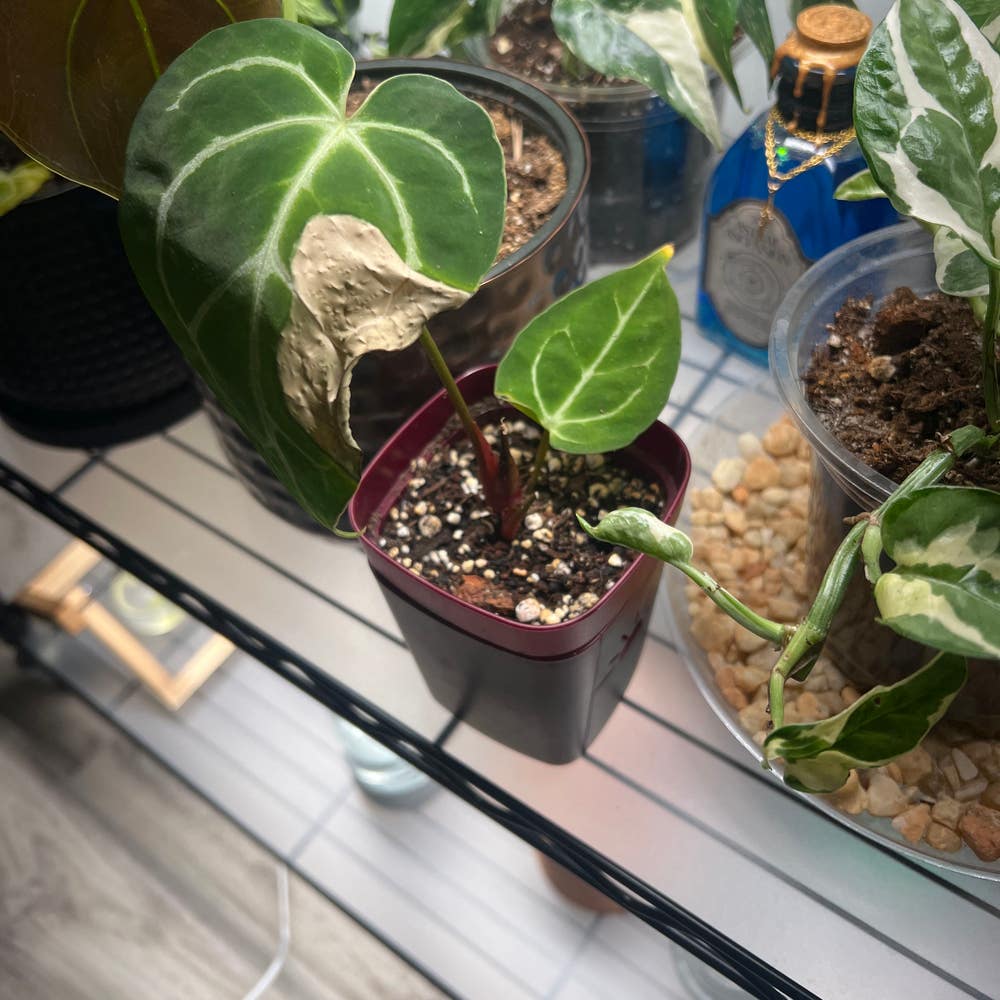
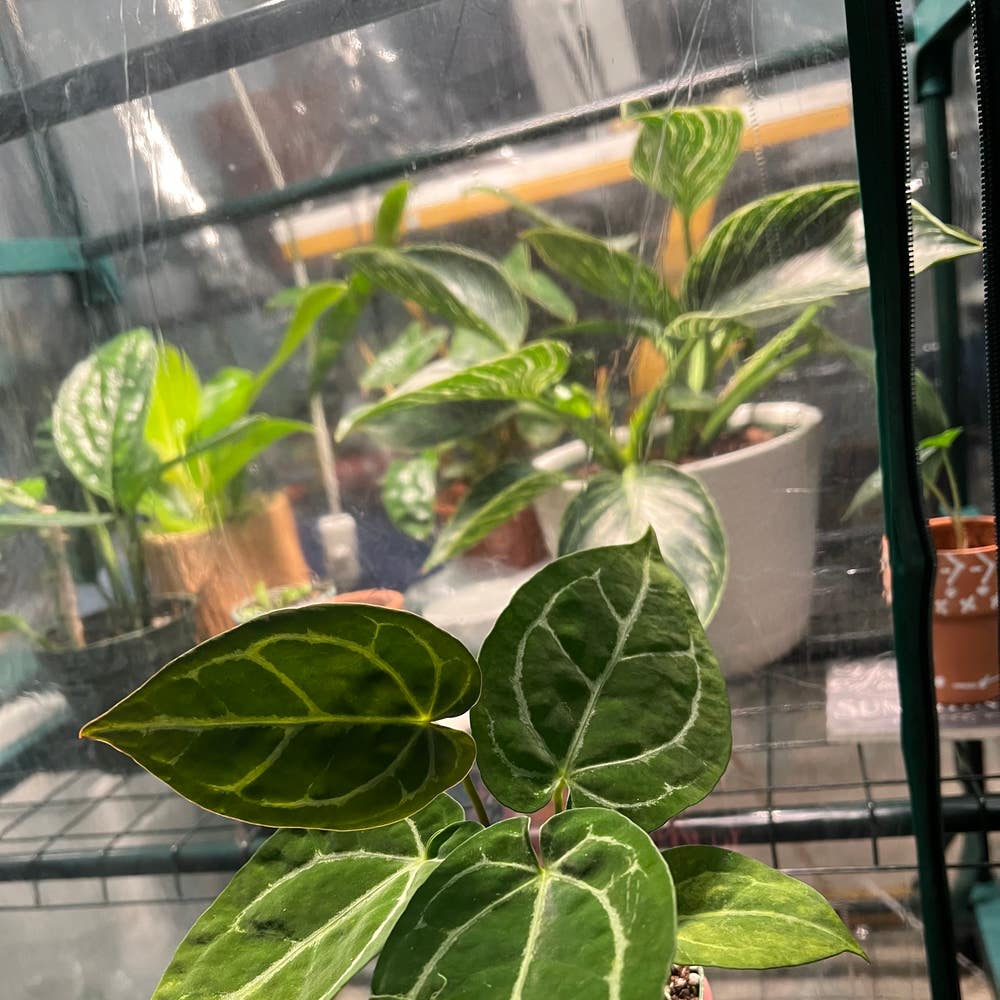
Anthurium Crystallinum X Magnificum Leaves Dropping
Anthurium crystallinum x magnificum
By the Greg Editorial Team
Jun 18, 2024•4 min read
This article was created with the help of AI so we can cover more plants for you. May contain errors. See one? Report it here.
Prevent the heartbreak of Anthurium crystallinum x magnificum leaf drop with this tailored survival guide. 🍃✨
- 🌱 Adequate light and proper watering are essential to prevent leaf drop.
- 🌡️ Warm, humid conditions mimic Anthurium's natural tropical habitat.
- 🌿 Inspect and adjust care based on plant feedback for optimal health.
When Your Anthurium's Leaves Say Goodbye: Pinpointing the Culprits
💡 Inadequate Light: Finding the Sweet Spot
Light stress in Anthurium crystallinum x magnificum manifests as faded, bleached, or even crispy leaves. To avoid the drama, bright, indirect light is your plant's BFF. Place it near a window but out of the harsh sun's spotlight, like a celebrity dodging paparazzi. Rotate the pot a quarter turn monthly to ensure all sides get their moment in the limelight.
🚰 Water Woes: Striking the Right Balance
Anthuriums don't like their drinks too strong or too weak. Overwatering and underwatering can both send leaves packing. The soil should feel like a wrung-out sponge—moist but not soggy. Before you water, do the finger test; if the top inch of soil is dry, it's time for a drink. If it's damp, hold off to avoid a root-rot hangover.
🌞 Climate Control: Mimicking the Tropics
These plants are tropical toddlers that throw tantrums if the temperature and humidity aren't just right. Keep it warm—between 70-85°F (21-29°C)—and humid, like a bathroom post-shower. If your air is drier than a stand-up comedian's wit, consider a humidifier to prevent your Anthurium from becoming a crispy critter.

Root of the Problem: Unearthing Issues Below the Soil
🕵️ Inspecting the Root System
Roots are your Anthurium's lifeline, and inspecting them is like reading tea leaves for your plant's health. To start, gently remove your plant from its pot and shake off excess soil. Healthy roots are firm and a vibrant white or tan, while unhealthy ones are often soft, brown, and could smell like last week's compost.
From the Ground Up: Reviving the Roots
Root rot is the bane of many a plant parent's existence. If you've got mushy roots on your hands, it's time to channel your inner surgeon. Snip away the rot with sterilized scissors—think of it as pruning away the plant's demons. After the exorcism, repot in fresh, well-draining soil and consider this a hard reset. Dehydration of roots, on the other hand, requires a steady hand with watering—consistent, but not overbearing, like a good mentor. The path to root recovery is a delicate dance between moisture and air, with the ultimate goal of re-establishing a stable foundation for those precious leaves.

Fine-Tuning Your Anthurium's Environment
💡 Light and Water Harmony
Adjusting care based on your Anthurium's feedback is like being a plant whisperer. If leaves drop, it's the plant's way of saying, "Hey, tweak something!" Consistency is key; sudden changes stress these tropical beauties out. Patience is your ally; don't expect overnight miracles when you alter their light and water dance.
🌡️ Humidity and Temperature Tweaks
Creating the ideal microclimate is not just about cranking up the humidifier. It's about being a guardian of the tropical vibe, using tools like humidity trays and digital thermometers. Seasonal shifts mean you'll be tweaking your care routine more often than your playlist. Keep the temperature between 65-85°F (18-29°C) and humidity at a lush 70-80%.

Proactive Plant Parenthood: Preventing Future Leaf Loss
📅 Crafting a Custom Care Calendar
Consistency in care is the anthem of thriving plants. To prevent the heartbreak of leaf loss, sync your routine with the rhythms of nature. Here's how:
- Water when the topsoil feels like a dry martini—about an inch deep.
- Bathe your Anthurium in bright, indirect light as if it's sunbathing under a sheer veil.
- Shield it from drafts and temperature mood swings like you would protect your tropical fish from a snowstorm.
👀 The Watchful Gardener: Staying One Step Ahead
Keeping a vigilant eye on your Anthurium is like being a plant detective. Spot the early signs of leaf drop distress—droopy leaves, a dull complexion—and act swiftly. Adjust your care with the precision of a barista crafting the perfect espresso:
- If leaves are dropping like hot potatoes, reassess your watering and lighting stat.
- Introduce a humidifier or a pebble tray when the air is drier than a stand-up comedian's wit.
- Quarantine new plants as if they're potential double agents carrying pest secrets.
Remember, proactive pruning is like giving your plant a fresh start; it's not just a trim but a strategic move. And always, always keep your tools cleaner than a surgeon's scalpel.
⚠️ Safety First
This content is for general information and may contain errors, omissions, or outdated details. It is not medical, veterinary advice, or an endorsement of therapeutic claims.
Always consult a qualified healthcare professional before using any plant as food, medicine, or supplement.
Never eat any plant (or feed one to pets) without confirming its identity with at least two trusted sources.
If you suspect poisoning, call Poison Control (800) 222-1222, the Pet Poison Helpline (800) 213-6680, or your local emergency service immediately.
Spotted an error? Please report it here.
Prevent leaf drop in your Anthurium by letting Greg craft a custom care plan 🌿, ensuring the perfect balance of moisture, light, and warmth from the tips in this article.