🌱 Growth Rate of Anthurium crystallinum x magnificum
Anthurium crystallinum x magnificum
By the Greg Editorial Team
Sep 29, 2024•4 min read
This article was created with the help of AI so we can cover more plants for you. May contain errors. See one? Report it here.
Master the growth stages of Anthurium 🌱 for vibrant blooms and a thriving indoor garden!
- 🌱 Germination takes 2-4 weeks; maintain 70-90% humidity for success.
- 🌞 Optimal temperature for growth is 24°C to 30°C (75°F to 86°F).
- 🌿 Transplant seedlings with 2-3 true leaves after 4-6 months for best results.
Germination Stage
Duration of Germination 🌱
Germination for Anthurium crystallinum x magnificum typically takes about 2 to 4 weeks. However, this duration can vary based on several factors, including temperature, moisture levels, and the quality of the seeds.
Conditions for Successful Germination 🌡️
To ensure successful germination, maintain an optimal temperature range of 24°C to 30°C (75°F to 86°F).
Humidity is crucial; aim for 70% to 90% relative humidity to create a conducive environment.
Use a well-draining, sterile seed starting mix to prevent rot and promote healthy growth.
Additionally, provide indirect light to avoid desiccation of the seeds, ensuring they have the best chance to sprout.
By paying attention to these conditions, you can set the stage for vibrant growth in your Anthurium plants.
Next, we’ll explore the characteristics of seedlings as they begin their journey.
Seedling Stage
🌱 Characteristics of Seedlings
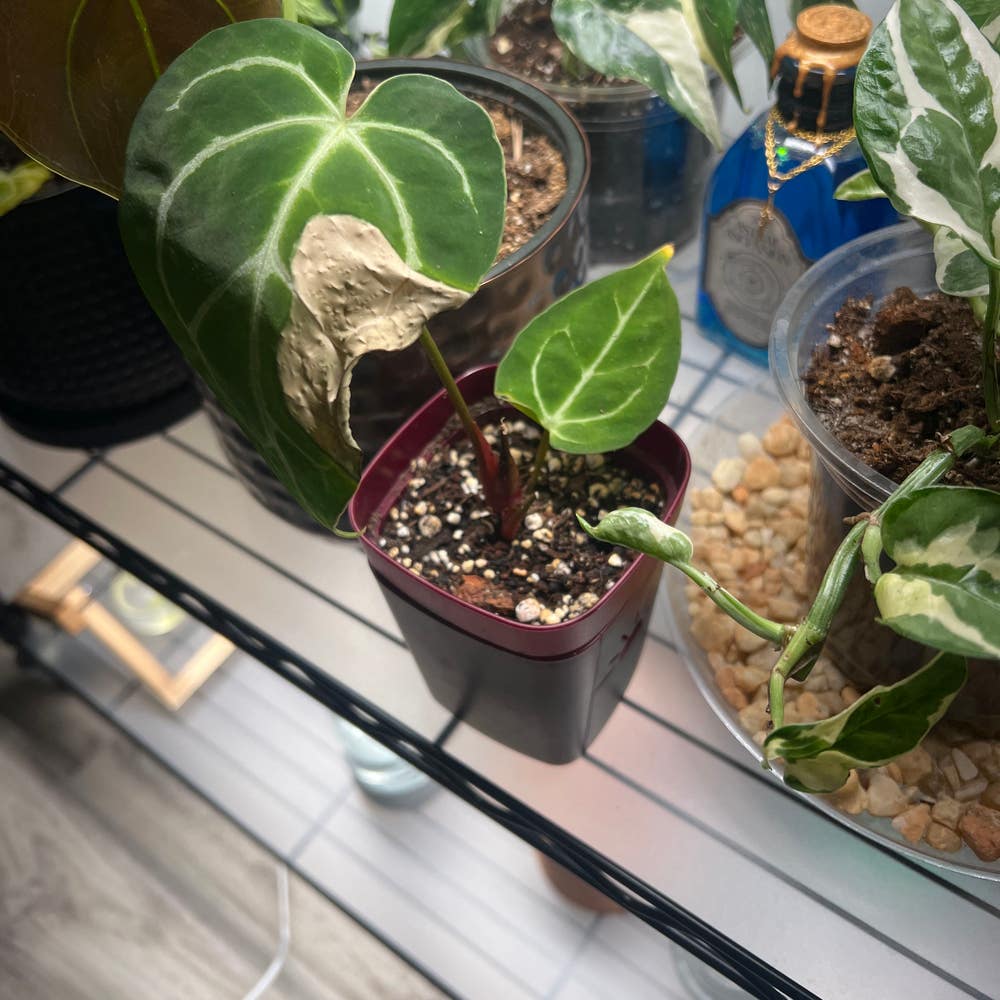
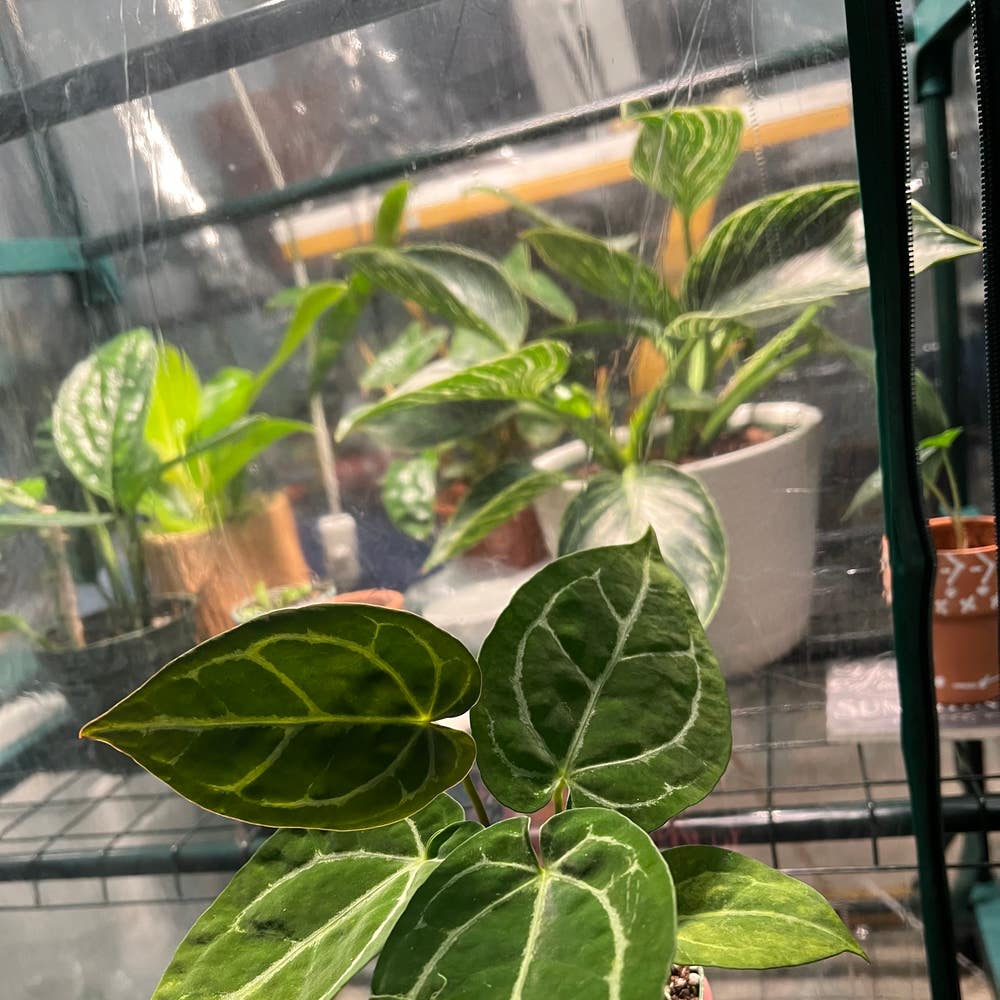
During the seedling stage, Anthurium crystallinum x magnificum showcases small, heart-shaped leaves that have a glossy texture. This initial leaf structure is not just beautiful; it plays a crucial role in photosynthesis as the plant begins its journey.
The growth habit at this stage is notably slow. The focus is primarily on establishing a robust root system, which is essential for future growth and stability.
⏳ Duration of the Seedling Stage
Typically, the seedling stage lasts about 4 to 6 months. This period is vital for the plant's development, as it lays the groundwork for its future growth.
You can tell when your seedlings are ready for transplanting by observing the development of 2 to 3 true leaves. This is a clear indicator that they are strong enough to thrive in a larger environment.
As you nurture your seedlings, remember that patience is key. This stage may feel slow, but it’s all part of building a strong foundation for your Anthurium.
With the seedlings established, you can look forward to the next exciting phase of growth.
Vegetative Growth Stage
Growth Patterns and Changes 🌱
During the vegetative growth stage, Anthurium crystallinum x magnificum undergoes significant transformations. The leaves shift from small, heart-shaped forms to larger, more lobed varieties, showcasing the plant's maturity.
As growth accelerates, you'll notice a remarkable increase in leaf size. This stage can see the plant height reaching between 30 to 60 cm (12 to 24 inches), making it a striking addition to any collection.
Duration of Vegetative Growth ⏳
Typically, this growth phase lasts between 1 to 2 years. However, the exact duration can vary based on several environmental factors.
Light availability plays a crucial role in how quickly your plant thrives. Additionally, maintaining optimal humidity and nutrient levels will significantly influence growth rates, ensuring your Anthurium flourishes beautifully.
As you nurture your plant through this stage, keep an eye on these factors to maximize its potential. The journey from seedling to a robust vegetative state is truly rewarding, setting the stage for future flowering.
Flowering Stage
Timing of Flowering 🌸
The journey to the first bloom of your Anthurium crystallinum x magnificum typically takes about 2 to 3 years after germination. Seasonal changes, particularly in light and temperature, can significantly influence when flowering occurs.
Characteristics of Flowers 🌼
These plants produce unique flowers characterized by spathes that cradle a central spadix, often in shades of white or greenish hues. Interestingly, for successful seed production, cross-pollination may be necessary, adding an extra layer of complexity to their reproductive process.
As you nurture your Anthurium, keep an eye on these flowering indicators. Understanding the timing and characteristics of the flowers can enhance your gardening experience and deepen your appreciation for this stunning hybrid.
Next, we’ll explore the overall lifespan of the Anthurium and what factors can influence its longevity.
Overall Lifespan
Average Lifespan 🌱
The typical lifespan of an Anthurium crystallinum x magnificum ranges from 5 to 10 years under optimal conditions. With attentive care and a stable environment, these plants can live even longer, becoming cherished companions in your indoor garden.
Factors Influencing Lifespan 🌍
Environmental stability plays a crucial role in extending the lifespan of your Anthurium. Consistent humidity and temperature levels help the plant thrive.
Pest and disease management is equally important. Healthy plants are more resilient to stressors, making regular checks essential.
Care practices also significantly impact longevity. Regular monitoring and timely interventions can make a world of difference in keeping your plant vibrant and healthy.
Notable Changes Throughout Life Cycle 🌿
As your Anthurium matures, you'll notice remarkable transformations. Leaf size and shape evolve from small, heart-shaped leaves to larger, lobed varieties.
Color changes are also part of the journey. As the plant matures, leaves may darken and develop unique patterns, adding to its visual appeal.
Understanding these aspects of the Anthurium's lifespan not only enhances your gardening experience but also fosters a deeper connection with this stunning plant. Next, we’ll explore the fascinating flowering stage of the Anthurium crystallinum x magnificum.
⚠️ Safety First
This content is for general information and may contain errors, omissions, or outdated details. It is not medical, veterinary advice, or an endorsement of therapeutic claims.
Always consult a qualified healthcare professional before using any plant as food, medicine, or supplement.
Never eat any plant (or feed one to pets) without confirming its identity with at least two trusted sources.
If you suspect poisoning, call Poison Control (800) 222-1222, the Pet Poison Helpline (800) 213-6680, or your local emergency service immediately.
Spotted an error? Please report it here.
Cultivating your Anthurium crystallinum x magnificum is thrilling 🌿 when you use Greg's tailored care tips and reminders to ensure your plant flourishes at every growth stage!