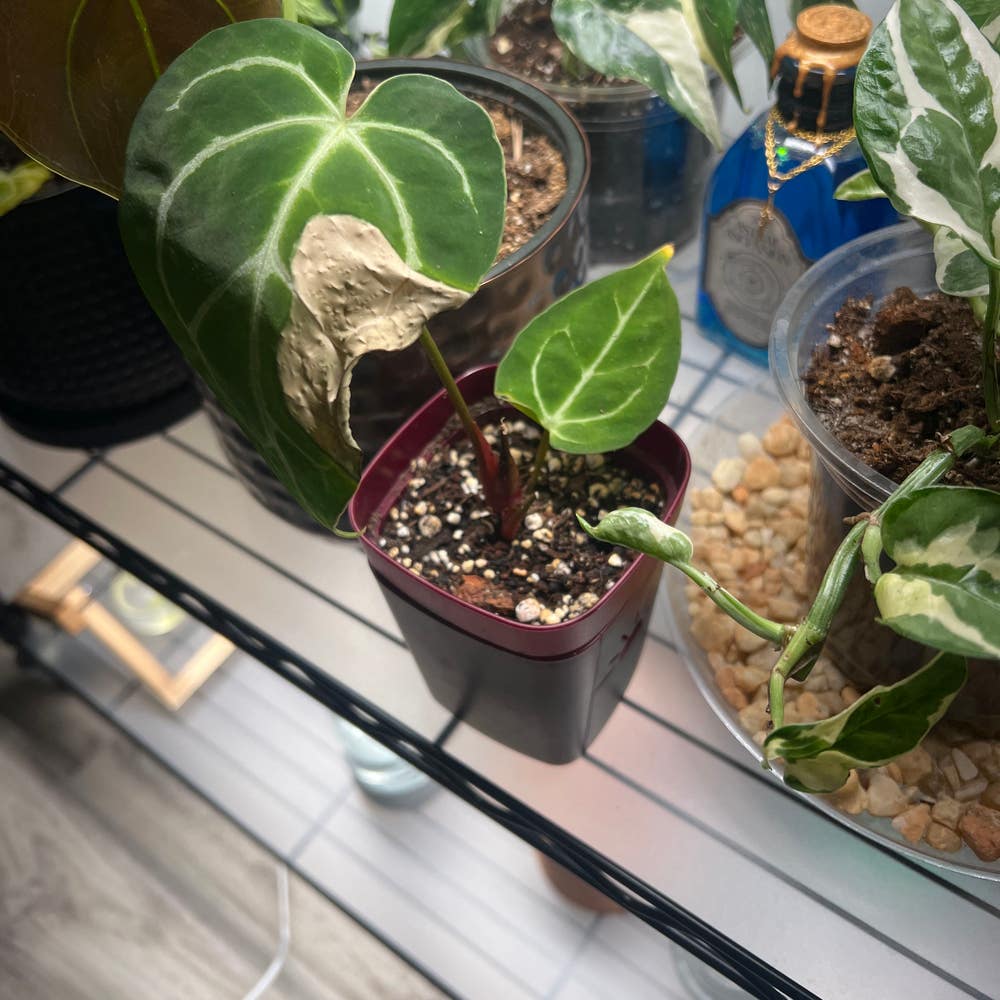
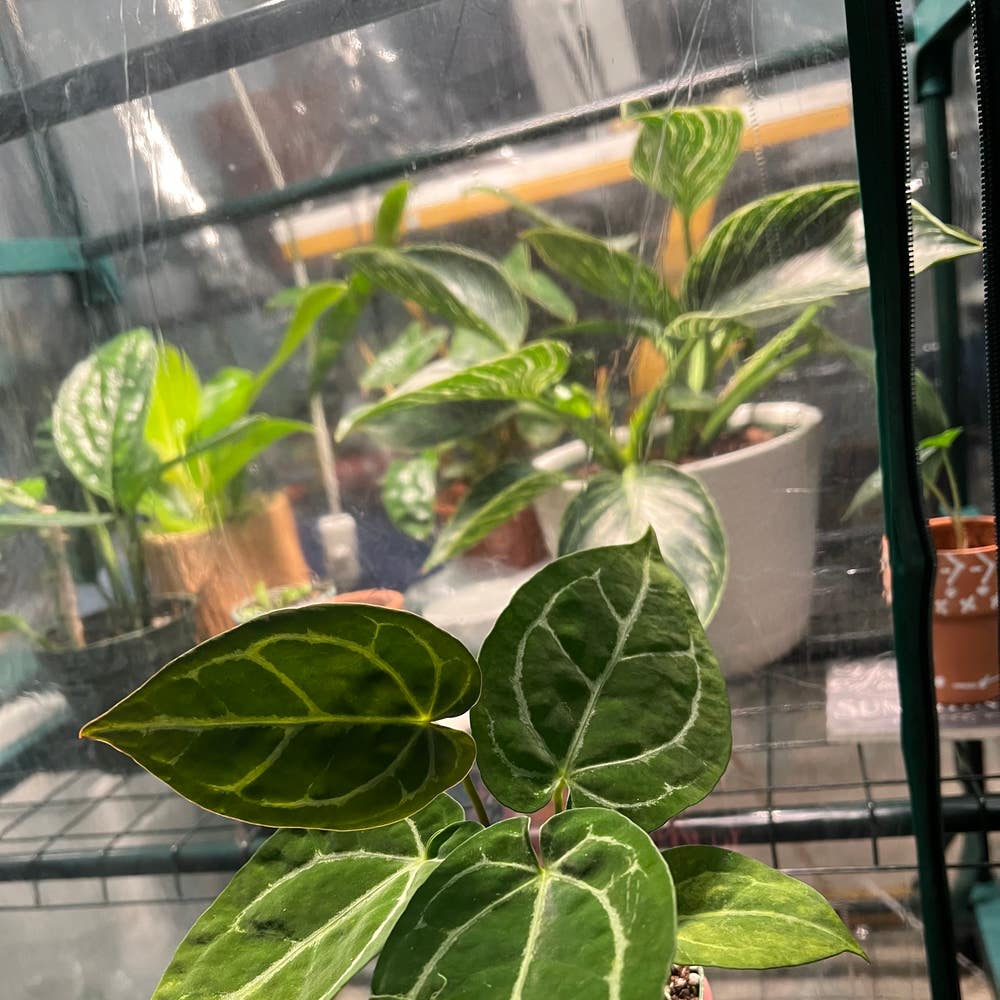
✨ Anthurium crystallinum x magnificum Hardiness Zones: 10a-12b
Anthurium crystallinum x magnificum
By the Greg Editorial Team
Sep 29, 2024•5 min read
This article was created with the help of AI so we can cover more plants for you. May contain errors. See one? Report it here.
Unlock thriving Anthurium growth by mastering its temperature needs and ideal climates! 🌿
- 🌡️ Anthurium thrives in zones 10a-12b, tolerating temperatures down to 30°F (-1°C).
- 💧 Humidity is crucial; it prevents dehydration in high temperatures.
- 🌍 Microclimates enhance growth, allowing Anthurium to flourish beyond typical hardiness zones.
Temperature Tolerance of Anthurium
❄️ Cold Tolerance and Temperature Ranges
Anthurium crystallinum x magnificum can tolerate temperatures as low as 30°F (-1°C). However, this threshold makes them sensitive to frost, which can damage their delicate leaves.
The timing of the first and last frost is crucial for their growth. If planted too early or late, these plants may struggle to establish themselves.
🔥 Heat Tolerance and Temperature Ranges
On the flip side, Anthurium thrives in temperatures up to 95°F (35°C). However, prolonged exposure to such heat can stress the plant, affecting its overall health.
Humidity plays a vital role in high-temperature conditions. Adequate moisture helps the plant cope with heat, preventing dehydration and wilting.
🌡️ Effects of Extreme Temperatures on Growth
Extreme temperatures can significantly impact Anthurium's growth. Cold stress may lead to leaf curling, while heat stress can cause wilting and discoloration.
Look for signs of temperature-related stress, such as drooping leaves or stunted growth. Addressing these issues promptly can help maintain the plant's vigor and beauty.
Understanding these temperature tolerances is essential for successful cultivation. Next, we’ll explore the ideal growing regions in the U.S. for Anthurium.
Ideal Growing Regions in the US
🌍 Examples of States in Zones 10a-12b
Anthurium crystallinum x magnificum thrives in several states within hardiness zones 10a to 12b. The prime locations include California, Florida, Texas, and Hawaii.
In California, regions like Los Angeles and San Diego offer ideal conditions. Florida's Miami and Orlando are also excellent, thanks to their warm, humid climates. In Texas, areas around Houston and Austin provide the necessary warmth, while Hawaii boasts favorable conditions throughout the islands.
🌦️ Factors Contributing to Ideal Growing Conditions
The success of Anthurium in these regions hinges on several climate characteristics. Warm temperatures, high humidity, and consistent moisture are crucial for healthy growth.
Soil type plays a significant role too. Well-draining soils rich in organic matter are ideal, as they prevent waterlogging while retaining enough moisture for the plant's needs.
🔍 Comparison of Different Regions Within the Suitable Zones
Microclimates can vary significantly even within the same hardiness zone. For instance, coastal areas may experience milder temperatures compared to inland regions, affecting Anthurium growth.
Urban environments often create heat islands, leading to warmer conditions that can benefit plant health. Conversely, rural areas might offer more consistent moisture levels, which can also support Anthurium cultivation effectively.
Understanding these regional differences can help you choose the best location for your Anthurium, ensuring it thrives beautifully.
Microclimates and Their Impact
🌱 How Microclimates Can Extend Growing Range
Microclimates are localized areas that experience different climatic conditions than the surrounding environment. Sheltered spots, like those near buildings or under trees, can create warmer conditions, making them ideal for plants like Anthurium.
Humidity and moisture retention are crucial in these microclimates. They help maintain a stable environment, which is essential for the health of Anthurium plants, especially in fluctuating temperatures.
🌊 Examples of Microclimates in the US That Benefit Anthurium
Coastal areas in California are prime examples of beneficial microclimates. The ocean's influence moderates temperatures, providing a more stable environment for Anthurium growth.
Urban gardens in Florida also showcase how microclimates can support plant health. The heat generated by buildings and pavement can create warmer pockets, allowing Anthurium to thrive even outside typical hardiness zones.
These microclimates not only enhance growth but also expand the potential for cultivating Anthurium in regions that might otherwise be unsuitable. Understanding these localized conditions can empower gardeners to maximize their growing success.
As we explore state-level suitability, keep in mind how microclimates can significantly influence where and how well Anthurium can grow.
State-Level Suitability Analysis
🌞 List of US States Suitable for Anthurium
Anthurium thrives in warm climates, making certain states ideal for its growth. The top contenders include:
- California: Particularly in coastal regions and areas with mild winters.
- Florida: Known for its tropical climate, especially in southern parts.
- Texas: Favorable conditions in the southern and eastern regions.
- Hawaii: Perfectly suited due to its consistently warm temperatures and humidity.
❌ List of US States Unsuitable for Anthurium
Not all states can support the needs of Anthurium. The following states are generally unsuitable:
- North Dakota: Harsh winters and extreme cold.
- Montana: Significant temperature fluctuations and frost risks.
- Maine: Cold climate with limited growing season.
🌡️ Reasons for Suitability or Unsuitability Based on Climate Factors
Understanding why certain states are better suited for Anthurium involves examining key climate factors.
Temperature Extremes: Anthurium prefers temperatures between 30°F (-1°C) and 95°F (35°C). States with frequent extremes can stress the plant.
Frost Occurrences: Regions with late frosts or early freezes can hinder growth. Anthurium is sensitive to frost, which can damage its leaves.
Humidity Levels: High humidity is crucial for Anthurium's health. States with consistent moisture support lush growth, while dry climates can lead to stress.
Local climate conditions play a significant role in the plant's overall health and growth potential. Understanding these factors can help gardeners make informed decisions about where to cultivate their Anthurium.
As we explore the nuances of microclimates next, we'll see how localized conditions can further influence Anthurium's adaptability and success.
⚠️ Safety First
This content is for general information and may contain errors, omissions, or outdated details. It is not medical, veterinary advice, or an endorsement of therapeutic claims.
Always consult a qualified healthcare professional before using any plant as food, medicine, or supplement.
Never eat any plant (or feed one to pets) without confirming its identity with at least two trusted sources.
If you suspect poisoning, call Poison Control (800) 222-1222, the Pet Poison Helpline (800) 213-6680, or your local emergency service immediately.
Spotted an error? Please report it here.
Maximize your Anthurium's potential by mastering its care with Greg's tailored reminders and insights, ensuring it thrives in the perfect environment 🌿!