How Should Anthurium crystallinum x magnificum Be Cut Back?
Anthurium crystallinum x magnificum
By the Greg Editorial Team
Jun 18, 2024•3 min read
This article was created with the help of AI so we can cover more plants for you. May contain errors. See one? Report it here.
Trim your Anthurium for health and beauty—discover the when, how, and why of perfect pruning! 🌿✂️
- Prune in spring/early summer for the plant's growth spurt.
- Use sterilized tools to prevent disease, trim up to 25% max.
- Post-prune care is crucial: adjust water and light for recovery.
Timing Your Trims: When to Prune Your Anthurium
🌿 Recognizing Signs It's Time to Prune
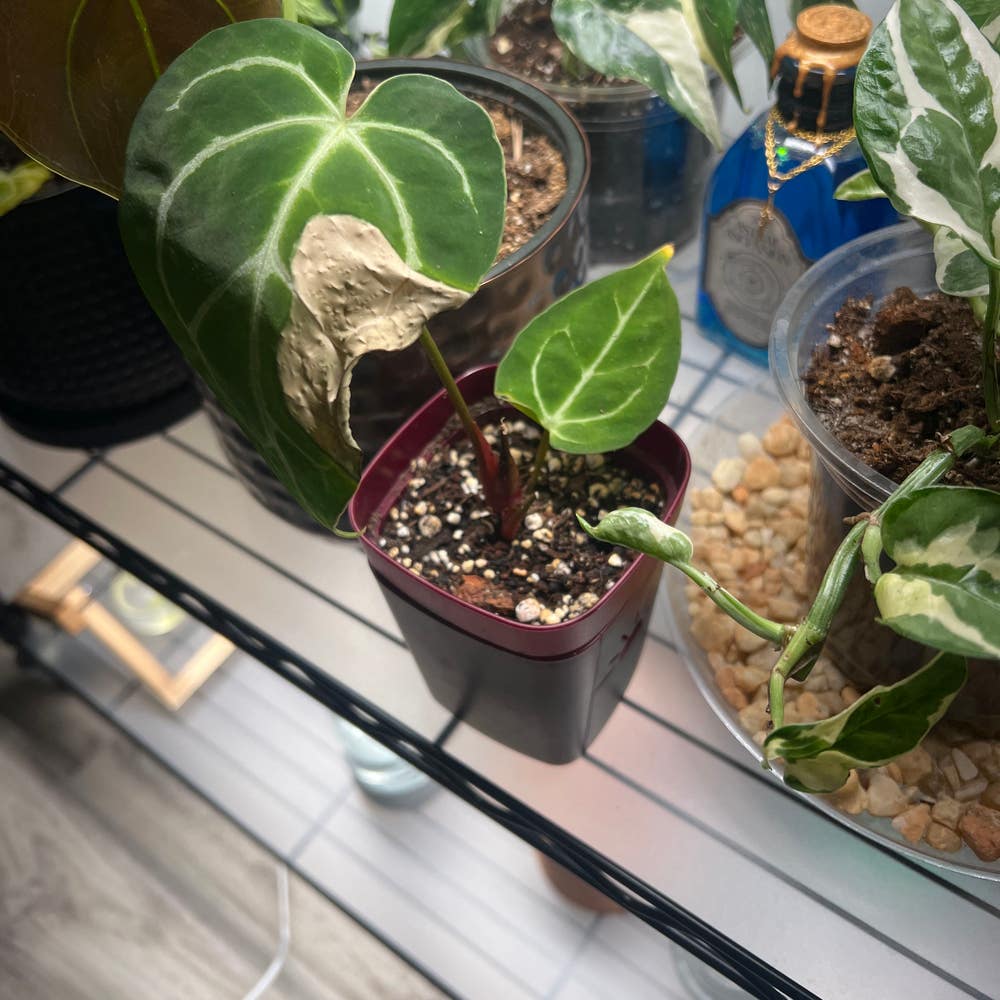
Your Anthurium crystallinum x magnificum is a bit like a top athlete; it needs regular maintenance to perform its best. Overgrowth and crowding are your cues to get snippy. If you spot dead or yellowing leaves, that's the plant's way of waving a white flag, signaling it's time for intervention.
📆 Seasonal Considerations
Pruning isn't a one-season show. Spring and early summer are the VIP tickets for pruning your Anthurium, aligning with its growth spurt. This timing allows the plant to heal and push out new growth with gusto. But remember, just like a good skincare routine, understanding your plant's growth cycle is key to keeping it in tip-top shape.

Making the Cut: Pruning Techniques
✂️ Choosing Your Tools
Sharpness and cleanliness are your best friends when it comes to pruning tools. Go for pruning shears that feel like an extension of your hand—comfortable and precise. A quick swipe with a sharpening stone keeps them ready for action.
🌱 The Art of the Snip
Start by sterilizing your shears with rubbing alcohol—think of it as a pre-op scrub. Inspect your Anthurium crystallinum x magnificum for any leaves that have overstayed their welcome. Snip close to the base, but not too close—leave a little breathing room to avoid stem shock. Remember, you're going for a trim, not a full-on haircut; never remove more than 25% of the plant. Toss the trimmings, unless you're eyeing a propagation project.
🧼 Keeping It Clean
Clean tools are non-negotiable. After each cut, give your shears a quick alcohol wipe. It's the equivalent of hand sanitizer for your garden gear. This isn't just for show—it's a critical step to prevent your plant from catching something nasty.

Strategic Snipping: Where and How Much to Prune
🌱 Identifying Pruning Points
Pruning an Anthurium crystallinum x magnificum starts with a node hunt. Nodes are the intersections where leaves and potential new stems spring from. Look for these crucial points, as they dictate the direction of growth post-pruning.
🌿 Shaping for Success
Aesthetic pruning marries form with function. Aim for a shape that pleases the eye but also allows light and air to reach the inner leaves. Balance is key; a well-pruned Anthurium should look natural, not like it's had a run-in with a lawnmower.
🍃 Dealing with Damaged Foliage
When it comes to damaged leaves, it's time to play surgeon. Remove yellowing or dead foliage to redirect the plant's energy to healthier areas. Make clean cuts close to the main stem to avoid unsightly stubs that could invite disease.

After the Chop: Immediate Post-Pruning Care
🩹 First Aid for Fresh Cuts
After pruning your Anthurium crystallinum x magnificum, it's crucial to provide some tender loving care. This means ensuring the plant has adequate hydration and isn't exposed to harsh conditions that could stress it further. Think of it as a plant's version of a band-aid and some rest after surgery.
Adjusting Water and Light
Post-trim, your Anthurium's care routine needs a tweak. Cut back on the water just a bit—overwatering can lead to root rot, especially when the plant is healing. As for light, keep it bright but indirect. Direct sunlight on those fresh cuts is like pouring salt on a wound—ouch. Adjust these elements to help your plant bounce back with vigor.
⚠️ Safety First
This content is for general information and may contain errors, omissions, or outdated details. It is not medical, veterinary advice, or an endorsement of therapeutic claims.
Always consult a qualified healthcare professional before using any plant as food, medicine, or supplement.
Never eat any plant (or feed one to pets) without confirming its identity with at least two trusted sources.
If you suspect poisoning, call Poison Control (800) 222-1222, the Pet Poison Helpline (800) 213-6680, or your local emergency service immediately.
Spotted an error? Please report it here.
Ensure your Anthurium crystallinum x magnificum bounces back ✂️ with vigor by using Greg's tailored reminders for the perfect pruning season and post-cut care tips.