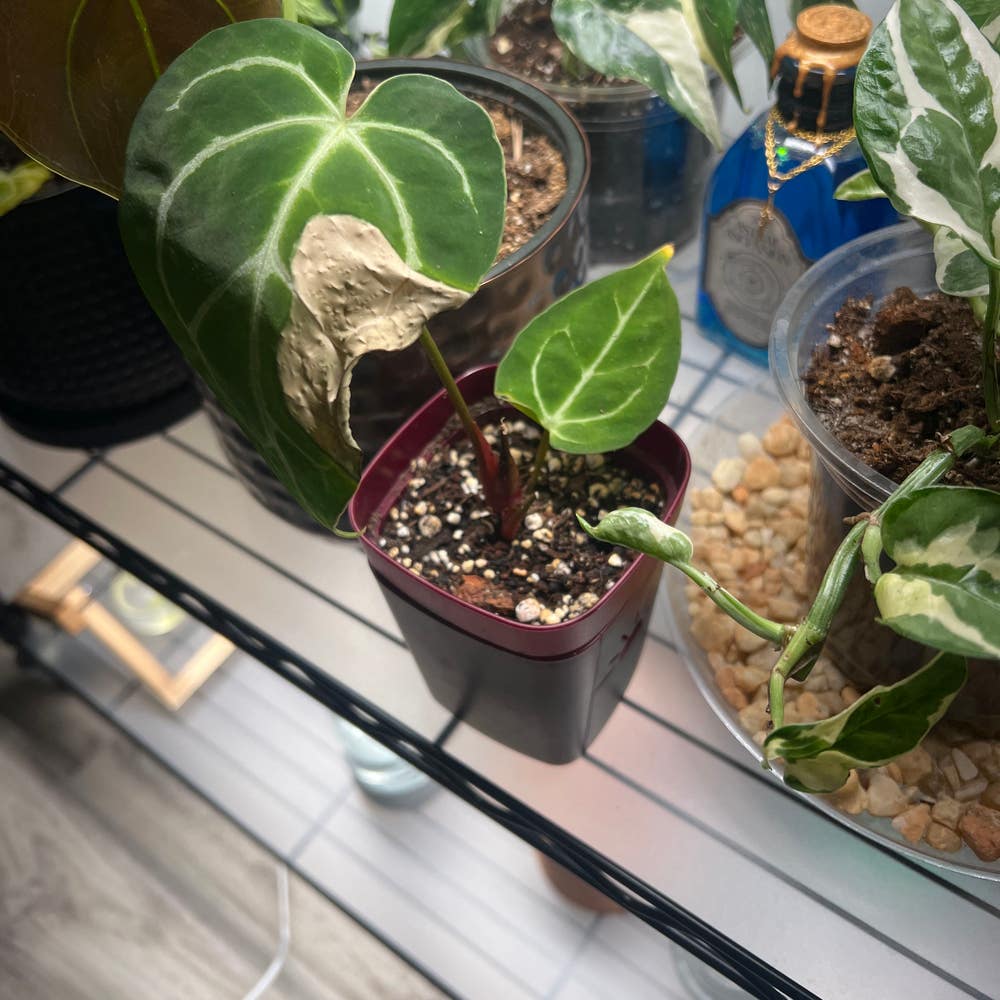
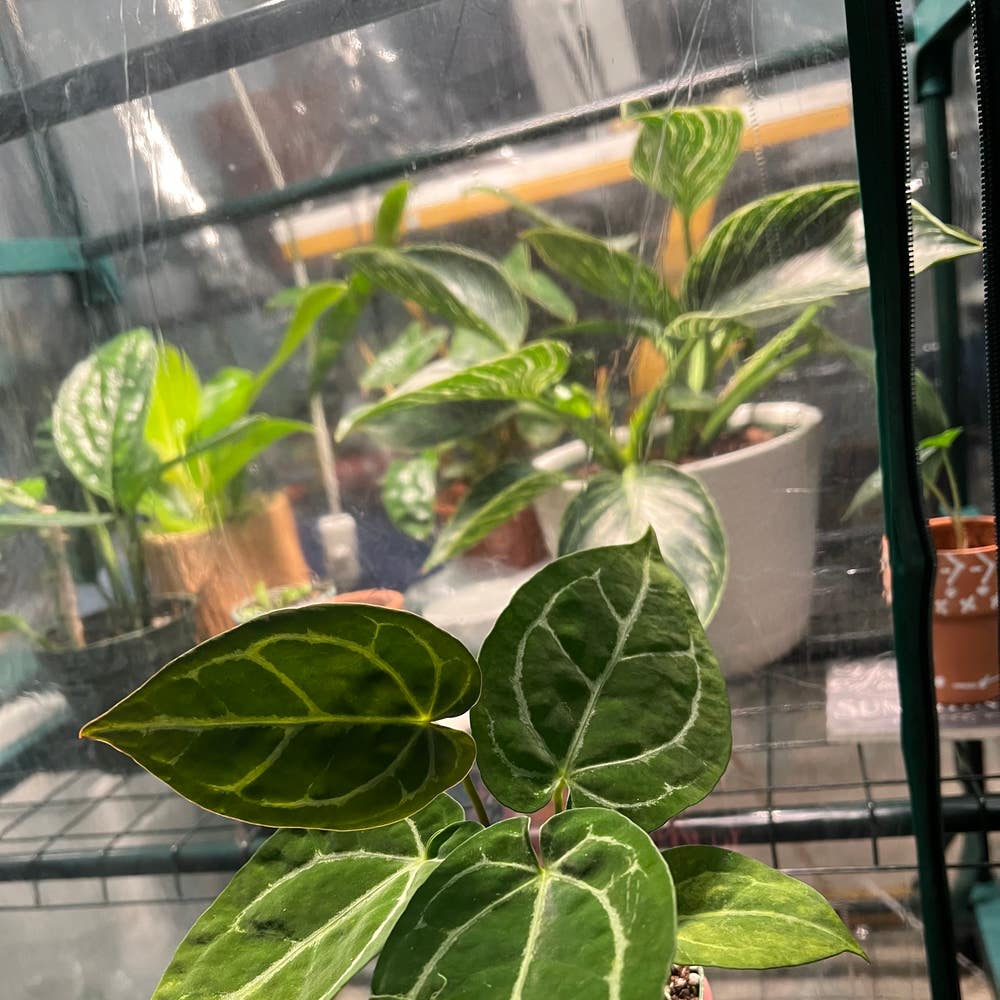
Anthurium crystallinum x magnificum Buds Falling off
Anthurium crystallinum x magnificum
By the Greg Editorial Team
Sep 29, 2024•3 min read
This article was created with the help of AI so we can cover more plants for you. May contain errors. See one? Report it here.
Transform your Anthurium's blooms 🌺 by mastering essential care tips to prevent common flowering issues!
- 🌬️ Stable environmental conditions are crucial to prevent bud drop in Anthuriums.
- 💧 Maintain humidity levels between 60-80% to avoid crispy leaves and bud loss.
- 🌡️ Keep temperatures between 20°C to 30°C for optimal growth and bud retention.
Flowering Problems in Anthurium
🌱 Common Causes of Bud Drop
Environmental Stress
Environmental stress occurs when your Anthurium faces sudden changes in its surroundings. This can lead to symptoms like dropping buds and wilting leaves.
Humidity Levels
Maintaining humidity levels between 60-80% is crucial for optimal growth. Low humidity can cause crispy leaf edges and bud drop, so consider using a humidifier or pebble trays to boost moisture levels.
Temperature Fluctuations
Anthuriums thrive in temperatures ranging from 20°C to 30°C (68°F to 86°F). If temperatures fluctuate too much, you may notice bud drop and stunted growth, so aim for consistent conditions and avoid cold drafts.
🌼 Nutritional Deficiencies and Their Impact on Blooming
Identifying Nutritional Deficiencies
Signs of nutritional deficiencies include stunted growth and discoloration of leaves. Common issues are nitrogen deficiency, which causes yellowing, and phosphorus deficiency, leading to poor root development.
Nutrient Management
To keep your Anthurium blooming, fertilize monthly during its active growth phase. Use balanced NPK fertilizers or organic options, applying them by diluting in water or through foliar feeding.
💡 Light Requirements for Optimal Flower Development
Importance of Light
Light is essential for photosynthesis and overall plant health. It significantly impacts flower bud formation and longevity, making it a key factor in your Anthurium's success.
Adjusting Light Conditions
Too much light can cause leaf burn and faded colors, while too little light leads to elongated stems and sparse foliage. Regularly rotate your plants and adjust their distance from light sources to find the sweet spot.
✂️ Pruning Techniques to Encourage Flowering
Importance of Pruning
Pruning is vital for promoting air circulation and removing dead or damaged leaves. The best time to prune is during the growing season when your plant is most active.
Pruning Strategies
Use techniques like pinching back spent flowers and cutting back leggy growth. Always employ clean, sharp pruning shears to prevent disease, and aim to prune every few months to maintain your plant's shape and health.
🛠️ Solutions to Flowering Issues
Adjusting Light Conditions
Steps to Optimize Light Exposure
- Assess current light levels: Use a light meter if available.
- Move the plant to a brighter location or adjust artificial lights.
- Monitor plant response over 1-2 weeks.
Nutrient Management for Healthy Blooms
Steps for Effective Fertilization
- Choose a balanced fertilizer suitable for Anthurium.
- Dilute according to package instructions.
- Apply during the growing season, every 4 weeks.
Managing Humidity and Temperature
Steps to Maintain Ideal Conditions
- Use a hygrometer to measure humidity levels.
- Increase humidity with trays or humidifiers as needed.
- Monitor temperature regularly, adjusting heating/cooling as necessary.
Pruning Strategies to Prevent Flower Drop
Steps for Effective Pruning
- Inspect the plant for dead or damaged leaves.
- Use clean shears to remove unwanted growth.
- Monitor plant health post-pruning for signs of recovery.
By addressing these common flowering problems, you can help your Anthurium thrive and enjoy its stunning blooms. Next, let’s explore how to create the perfect environment for your plant's growth.
⚠️ Safety First
This content is for general information and may contain errors, omissions, or outdated details. It is not medical, veterinary advice, or an endorsement of therapeutic claims.
Always consult a qualified healthcare professional before using any plant as food, medicine, or supplement.
Never eat any plant (or feed one to pets) without confirming its identity with at least two trusted sources.
If you suspect poisoning, call Poison Control (800) 222-1222, the Pet Poison Helpline (800) 213-6680, or your local emergency service immediately.
Spotted an error? Please report it here.
Keep your Anthurium blooming beautifully 🌺 by using Greg's personalized reminders for humidity and fertilization, ensuring your plant thrives in its ideal environment!