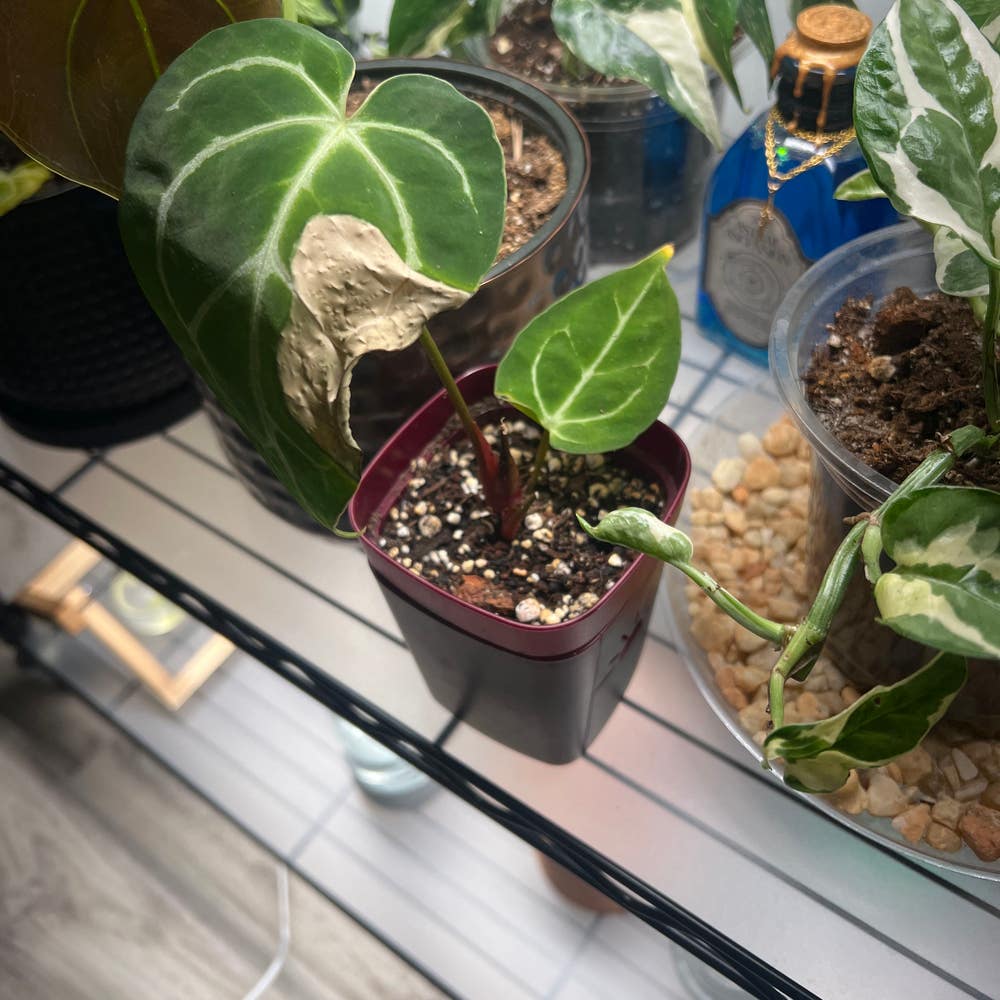
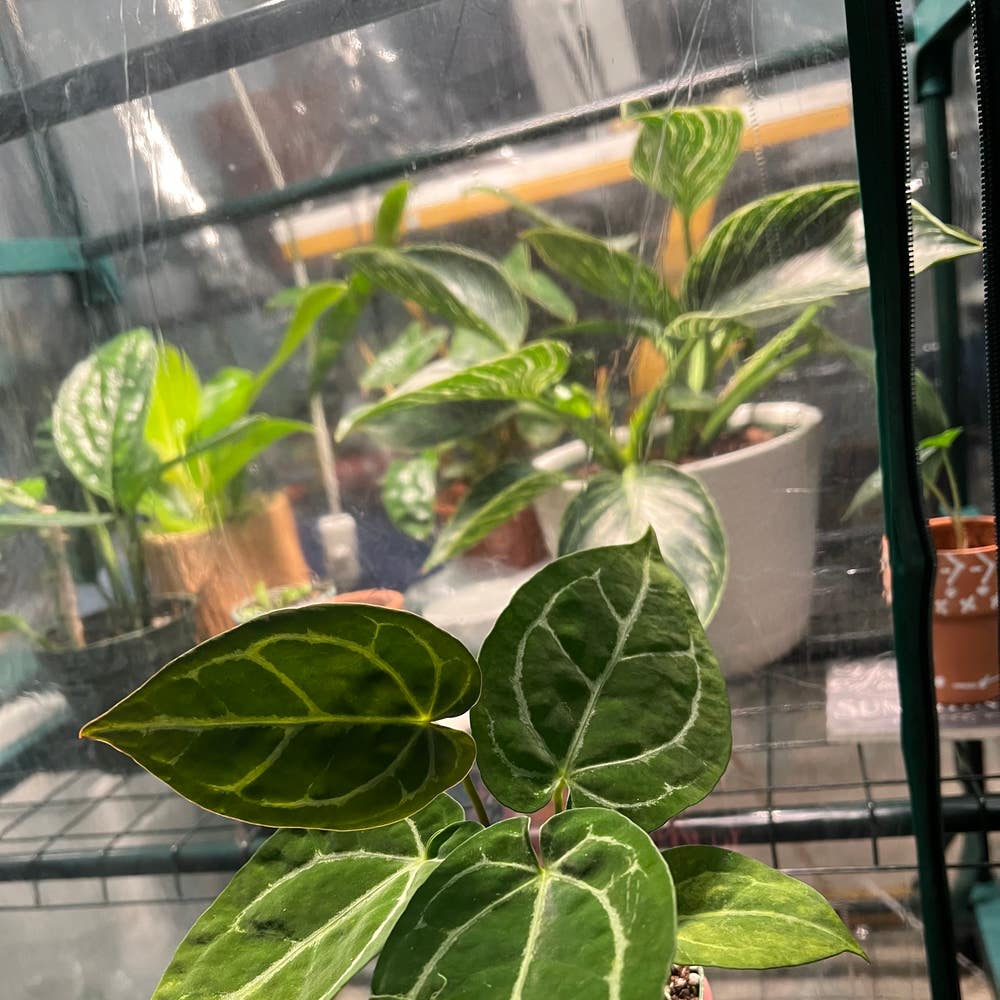
❤️ 3 Indoor Care Tips for Anthurium crystallinum x magnificum
Anthurium crystallinum x magnificum
By the Greg Editorial Team
Sep 29, 2024•2 min read
This article was created with the help of AI so we can cover more plants for you. May contain errors. See one? Report it here.
Unlock the secret to a thriving Anthurium 🌱 with essential care tips for vibrant growth and health!
- 🌞 Bright, indirect light is essential for thriving Anthurium growth.
- 💧 Water only when soil is dry to prevent yellow leaves and root rot.
- 🌬️ Maintain humidity levels between 60-80% for optimal plant health.
Care for Anthurium crystallinum x magnificum
🌞 Light and Watering Needs
Anthurium crystallinum x magnificum thrives in bright, indirect light. While it can tolerate low light, this may stunt growth and lead to smaller leaves.
Look out for signs of inadequate light, such as leggy growth. If you notice this, consider relocating your plant to a brighter spot.
Watering is crucial; allow the top 1-2 inches of soil to dry out between waterings. Overwatering can lead to yellowing leaves and mushy roots, so be cautious.
For best results, use room temperature water and ensure it drains thoroughly. This practice helps maintain healthy roots and overall plant vigor.
💧 Humidity and Temperature Control
Humidity plays a vital role in the health of your Anthurium. Aim for humidity levels between 60-80% for optimal growth.
To increase humidity, consider using humidifiers, pebble trays, or grouping your plants together. These methods create a more favorable environment.
Temperature is equally important; keep your plant in a range of 20°C to 30°C (68°F to 86°F). Watch for signs of temperature stress, like leaf curling or drooping, which indicate that adjustments may be needed.
🌱 Soil and Fertilization
Choosing the right soil mix is essential. A well-draining potting mix enriched with organic matter is recommended for your Anthurium.
Pay attention to soil pH, aiming for a slightly acidic range of 5.5 to 6.5. This balance supports nutrient uptake and overall plant health.
Fertilize monthly during the growing season to provide essential nutrients. If you notice yellowing leaves or poor growth, these could be signs of nutrient deficiency.
🐛 Common Issues and Solutions
Be vigilant about common pests like spider mites, aphids, and mealybugs. Regular inspections and maintaining plant health can help prevent infestations.
Root rot is another concern; symptoms include wilting, mushy roots, and a foul odor. Address this quickly to save your plant.
Yellowing and browning leaves can stem from various issues, including overwatering, nutrient deficiency, or low light. Identifying the cause is key to restoring your plant's health.
💡 Using Grow Lights and Advanced Care Techniques
Supplemental lighting can significantly enhance growth, especially in low-light conditions. Consider using full spectrum lights for balanced growth.
Propagation is also an exciting aspect of plant care. Common methods include division and stem cuttings, which can be rewarding and fun.
In the next section, we’ll delve deeper into advanced care techniques to ensure your Anthurium flourishes. Stay tuned!
⚠️ Safety First
This content is for general information and may contain errors, omissions, or outdated details. It is not medical, veterinary advice, or an endorsement of therapeutic claims.
Always consult a qualified healthcare professional before using any plant as food, medicine, or supplement.
Never eat any plant (or feed one to pets) without confirming its identity with at least two trusted sources.
If you suspect poisoning, call Poison Control (800) 222-1222, the Pet Poison Helpline (800) 213-6680, or your local emergency service immediately.
Spotted an error? Please report it here.
Transform your Anthurium into a showstopper 🌟 by using Greg's personalized care reminders and expert tips to keep it thriving in its ideal environment!