Anthurium Crystallinum x Magnificum Temperature
Anthurium crystallinum x magnificum
By the Greg Editorial Team
Jun 18, 2024•5 min read
This article was created with the help of AI so we can cover more plants for you. May contain errors. See one? Report it here.
Discover the secret to lush Anthurium growth 🌿 by nailing the 65°F-80°F sweet spot!
- 65°F to 80°F (18°C to 27°C) is the sweet spot for Anthurium growth.
- 🌡️ Stable temperatures prevent wilting, crispy, or curling leaves.
- Temperature stability is key for Anthurium's full flowering potential.
Dialing in the Perfect Temperature
🌡️ What's the Magic Number?
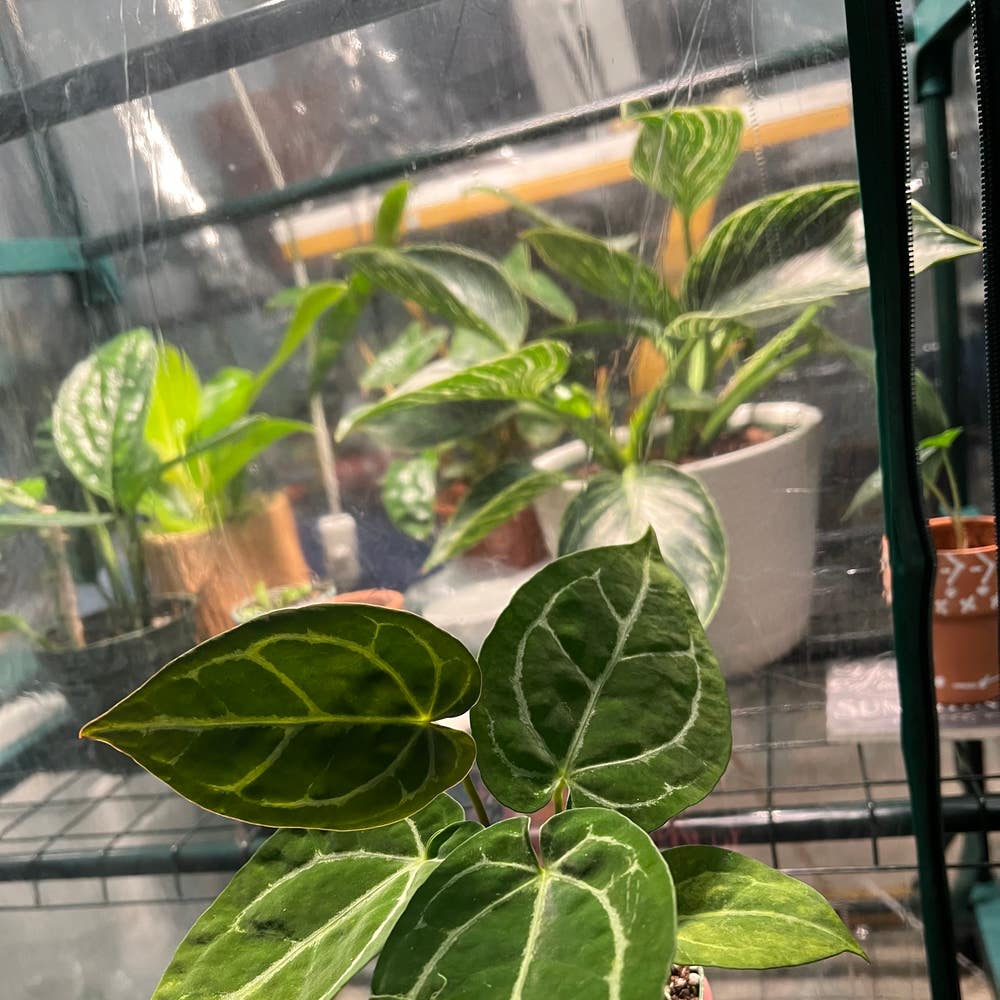
The ideal temperature range for Anthurium crystallinum x magnificum is a cozy 65°F to 80°F (18°C to 27°C). Think of this range as the plant's personal climate bubble, where it can kick back and grow without a care in the world.
🗝️ Consistency is Key
Stable temperatures are like a trusty sidekick for your Anthurium—absolutely essential. Fluctuations are the nemesis, causing your plant to sulk and stunt its growth. It's not about coddling; it's about providing a steady environment where this hybrid can flourish.

When Your Plant Feels the Heat (or Chill)
🌡️ Spotting the Signs of Temperature Trouble
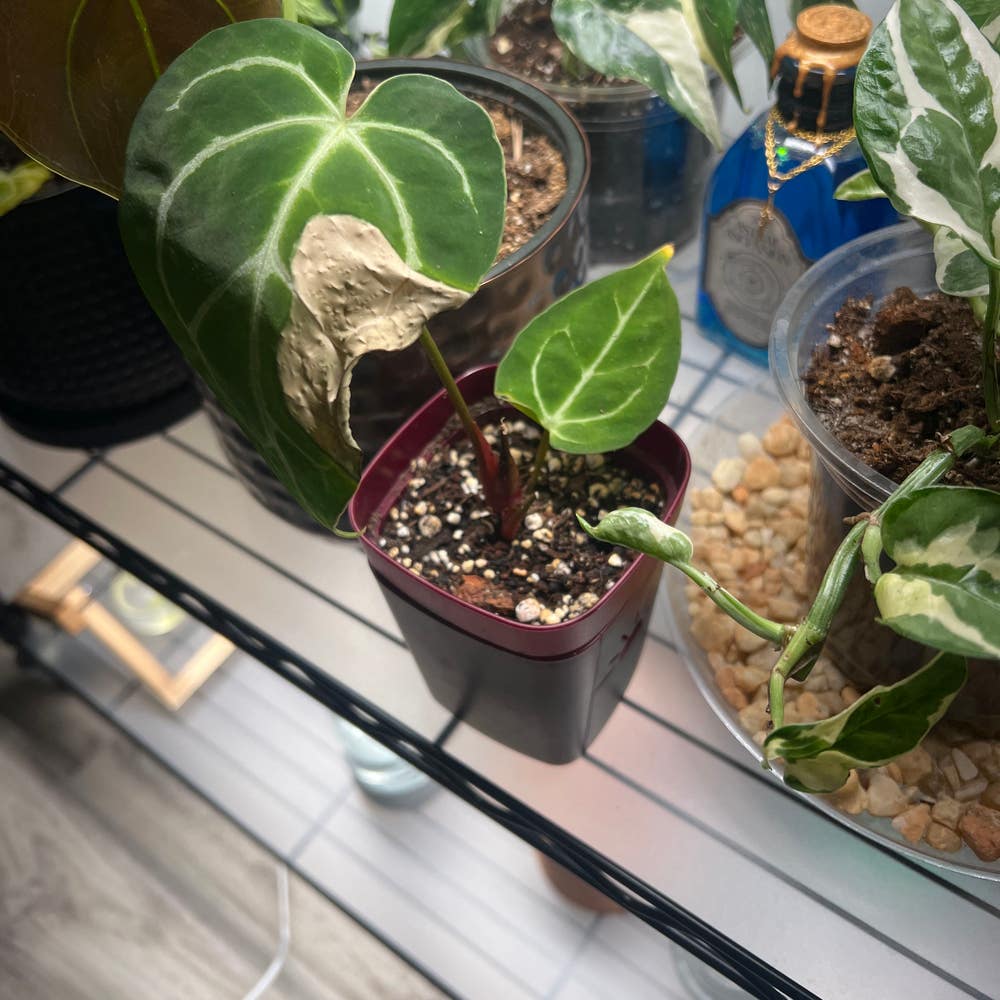
Wilting leaves are the first red flag; they're your Anthurium crystallinum x magnificum's way of saying, "I'm not okay." If your plant's leaves are more droopy than a Monday morning, it's time to reassess its environment. Yellowing leaves can signal a temperature issue, but don't jump to conclusions—check for other symptoms to be sure.
From Droopy to Crispy
Leaves that turn crispy or develop brown spots are sending an SOS about the heat. On the other end, if you spot leaves curling up tighter than a burrito, that's a sign of cold stress. A spectrum of symptoms, from blackened leaves to stunted growth, indicates your plant is struggling with the temperature. Keep an eye out for a lack of flowering, too—it's a subtle hint that your plant isn't dancing the temperature tango correctly.

Avoiding the Temperature Traps
🌡️ Common Culprits of Temperature Tantrums
Drafts and heating vents are the archenemies of Anthurium crystallinum x magnificum's temperature stability. These sneaky streams of air can cause your plant to endure unnecessary stress, like an unexpected ice bucket challenge. To mitigate these risks, position your plants away from windows that are often opened or air conditioning units that can create fluctuating air currents.
🌬️ Drafts and Drastic Changes
Sudden temperature shifts are like throwing your plant into a game of thermal hot potato—it's not going to end well. These changes can be as subtle as the sun dipping behind a cloud or as blatant as a door left ajar on a chilly night. Prevention is straightforward: keep your plants in a location where the temperature is as consistent as possible, and think twice before placing them near doors or in direct line with heating and cooling devices. If you're caught off guard by a draft, a quick fix like a room divider can act as a temporary shield, giving your plant its own little microclimate fortress.

Flower Power and the Temperature Tango
🌡️ When Temperatures Tumble, Do Blooms Fumble?
Temperature stability is crucial for the Anthurium crystallinum x magnificum to showcase its full flowering potential. Like a meticulous chef who knows the precise heat needed for the perfect soufflé, this hybrid demands a consistent thermal environment to produce its stunning blooms.
Erratic temperatures are akin to a dance floor with fluctuating rhythms; they confuse the plant's blooming cues, leading to a lackluster floral display or even a complete absence of flowers. It's essential to avoid the botanical equivalent of two left feet by maintaining a steady temperature range.
Warm days and cooler nights can be the secret sauce to encouraging the Anthurium crystallinum x magnificum to flower. A slight dip in the evening temperatures mimics the plant's natural habitat, prompting it to conserve energy for blooming.
Sudden chills or heat waves are the party crashers in the temperature tango. They can cause the plant to enter a state of shock, halting flower production in its tracks. It's like throwing ice water on a singer mid-note – the performance abruptly stops.
Drafts and direct heat sources should be avoided as they are notorious for causing rapid temperature changes. Keep your plant away from air conditioners, heaters, and drafty windows to prevent it from getting the botanical equivalent of stage fright.
Insulation and protection are your allies in the quest for floral success. By buffering your plant from temperature extremes, you're setting the stage for a show-stopping bloom performance.
A Quick Humidity High-Five
💧 Temperature's Sidekick: Humidity
Humidity isn't just a buzzword; it's the sidekick to temperature, crucial for your Anthurium crystallinum x magnificum's well-being. Imagine it as the invisible moisture blanket that wraps around your plant, keeping it snug and happy.
50% relative humidity is the sweet spot, striking a balance that keeps the leaves lush without inviting fungal unwelcome guests. It's not just about avoiding the crispiness of under-humidified air; too much moisture can lead to a horror show of root rot.
A hygrometer isn't a luxury; it's your plant's best friend. It's the difference between guessing and knowing, between thriving and surviving. Keep it close, and your Anthurium will thank you with vibrant growth.
Remember, consistency is key. Just like with temperature, wild swings in humidity can send your plant into a tailspin. Steady as she goes, and your Anthurium's leaves will stay as glossy as a magazine cover.
So, give humidity the high-five it deserves. It's not just about the heat; it's about the moisture in the air that makes your Anthurium crystallinum x magnificum feel right at home.
⚠️ Safety First
This content is for general information and may contain errors, omissions, or outdated details. It is not medical, veterinary advice, or an endorsement of therapeutic claims.
Always consult a qualified healthcare professional before using any plant as food, medicine, or supplement.
Never eat any plant (or feed one to pets) without confirming its identity with at least two trusted sources.
If you suspect poisoning, call Poison Control (800) 222-1222, the Pet Poison Helpline (800) 213-6680, or your local emergency service immediately.
Spotted an error? Please report it here.
Nurture your Anthurium crystallinum x magnificum to flourish 🌿 with Greg's tailored care reminders, helping you maintain that just-right climate for your plant's best health and beauty.