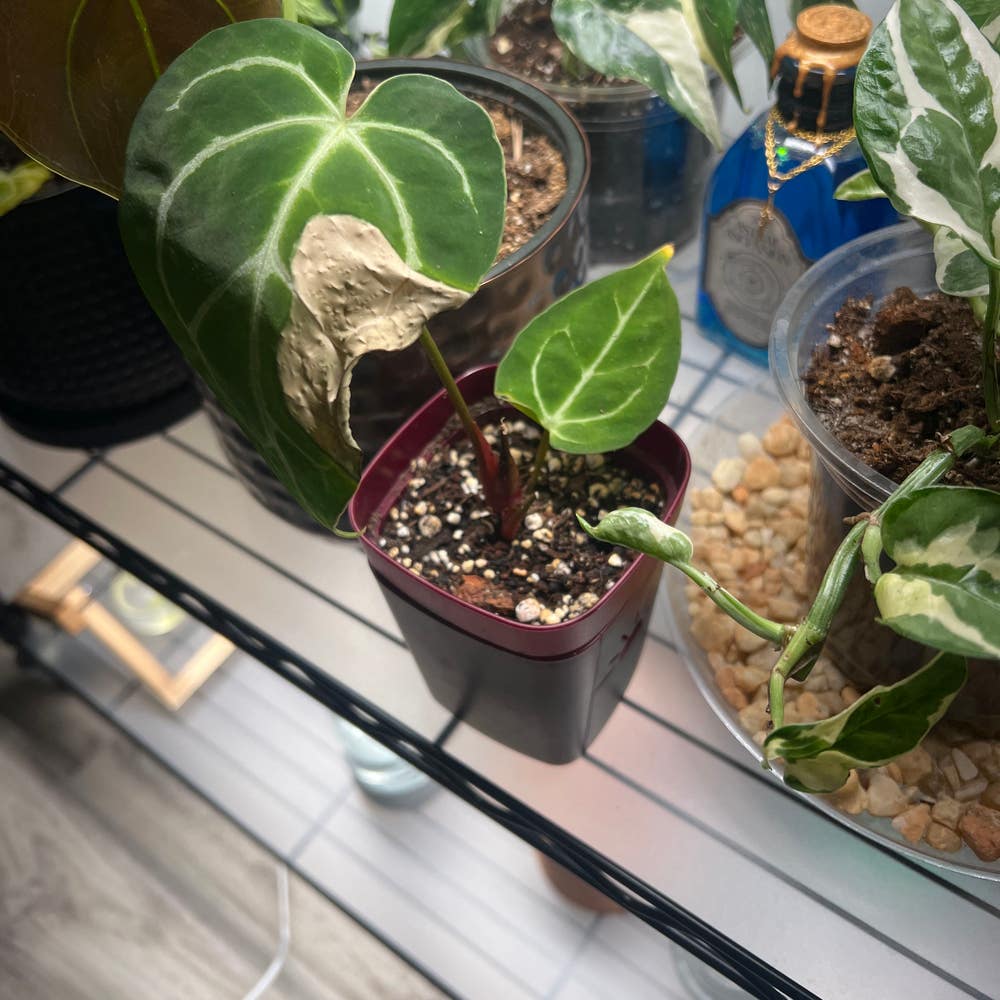
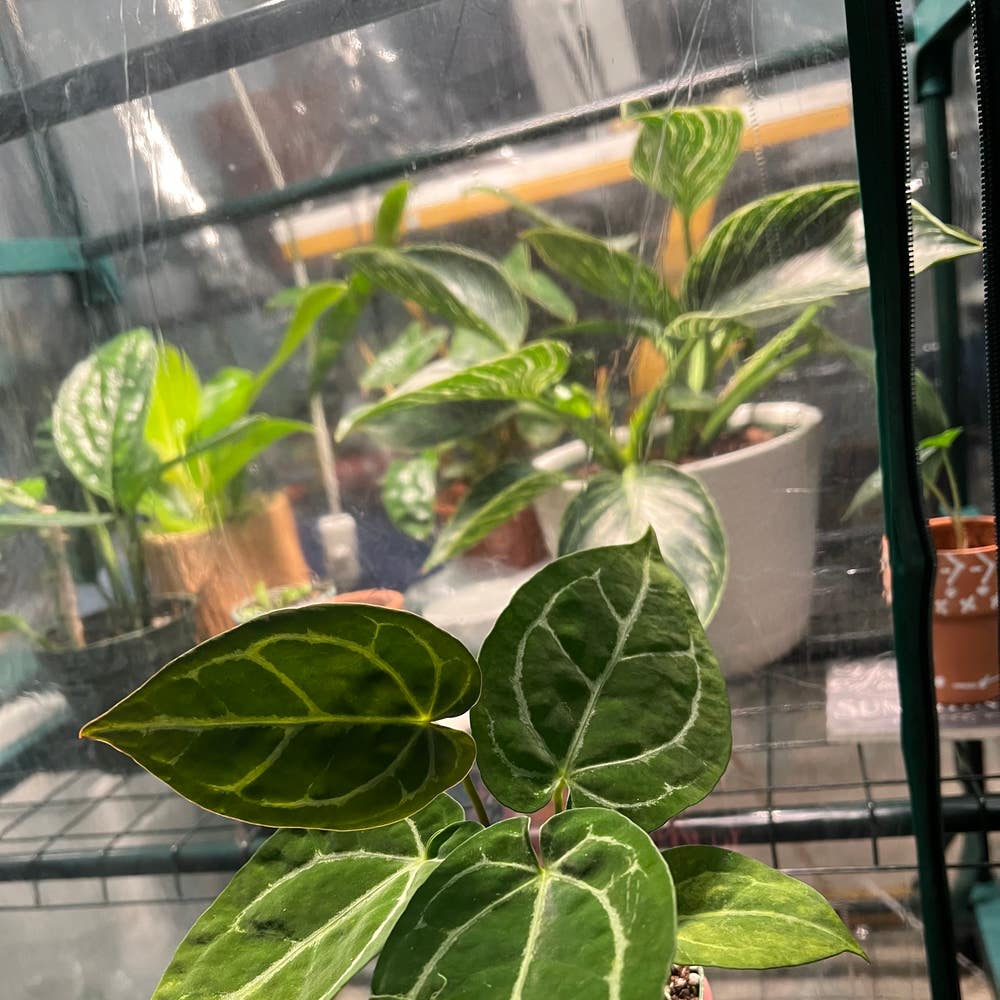
5 Tips for How to Plant Anthurium crystallinum x magnificum ❤️
Anthurium crystallinum x magnificum
By the Greg Editorial Team
Sep 29, 2024•5 min read
This article was created with the help of AI so we can cover more plants for you. May contain errors. See one? Report it here.
Unlock vibrant Anthurium growth 🌱 with expert tips on planting and transplanting for thriving success!
- 🌱 Plant Anthurium in spring or early summer for optimal growth and establishment.
- 💧 Maintain humidity levels between 60-80% for thriving Anthurium plants.
- 🪴 Use a well-draining soil mix: 50% potting soil, 30% orchid bark, 20% perlite.
Planting New Anthurium
🌱 Optimal Timing for Planting
The best time to plant your Anthurium crystallinum x magnificum is during spring or early summer. This period offers stable temperatures, which are crucial for successful growth.
Consider your local climate conditions and humidity levels as well. These factors can significantly influence how well your plant establishes itself.
🪴 Selecting the Right Soil Mix and Containers
For optimal growth, use a soil mix that consists of 50% potting soil, 30% orchid bark, and 20% perlite. This combination ensures good drainage while retaining necessary moisture.
When it comes to containers, terracotta pots are excellent for breathability, while plastic pots help retain moisture. Choose based on your watering habits and the plant's needs.
📏 Proper Depth and Spacing for Planting
Ensure that the root ball of your Anthurium is level with the soil surface when planting. This helps the plant establish itself without stress.
Space your plants 12-18 inches apart to allow for optimal growth. This distance prevents overcrowding and promotes healthy air circulation.
🌤️ Maintaining Ideal Growing Conditions
Anthuriums thrive in bright, indirect light, so avoid placing them in direct sunlight. Too much sun can scorch their leaves.
Humidity is also vital; aim to maintain levels between 60-80%. A humidity tray can be a simple solution to help achieve this.
🌳 Hardening Off Process Before Outdoor Planting
Before moving your Anthurium outdoors, gradually expose it to the new conditions over 7-10 days. Start with just 1-2 hours of outdoor exposure, increasing the time daily.
Monitor your plant closely for signs of stress or shock. This gradual transition helps your Anthurium adapt without overwhelming it.
With these tips in hand, you're well on your way to successfully planting your Anthurium. Next, we’ll explore how to transplant established plants for continued growth and vitality.
Transplanting Established Plants
Optimal Timing for Transplanting 🌱
Transplanting your Anthurium is best done in early spring or late summer. These periods align with the plant's active growth phases, ensuring a smoother transition.
Avoid transplanting during dormancy or extreme weather conditions. This can stress the plant and hinder its recovery.
Step-by-Step Instructions for Transplanting 🛠️
Water the Plant: A day before transplanting, give your plant a good drink. This reduces stress and helps keep the roots intact.
Remove the Plant: Carefully take the plant out of its current pot or location. Preserve the root ball as much as possible to minimize damage.
Inspect the Roots: Check for any damaged roots. Trim away any dead or rotting sections to promote healthy growth.
Prepare the New Site: Use the recommended soil mix to prepare the new planting area. This ensures your plant has the right nutrients.
Planting: Place the Anthurium in its new spot, making sure it’s at the correct depth and spacing. This helps it settle in comfortably.
Space Requirements for Established Plants 📏
When transplanting, ensure a minimum spacing of 12-18 inches between plants. This allows each Anthurium to grow without competing for resources.
Consider the mature size of the plant when determining spacing. Giving them room to flourish is key to a thriving garden.
Post-Transplant Care 💧
After transplanting, water the plant thoroughly. Keep the soil consistently moist but avoid sogginess to prevent root rot.
Applying a layer of mulch can help retain moisture and regulate soil temperature. This is especially beneficial during hot weather.
If your Anthurium is larger, consider providing support. This helps keep it upright as it adjusts to its new environment.
Transplanting can be a rewarding experience, setting the stage for vibrant growth. With the right care, your Anthurium will thrive in its new home.
Next, let’s explore the benefits and drawbacks of planting versus transplanting.
Benefits and Drawbacks of Planting vs. Transplanting
💰 Cost Considerations
When deciding between planting new Anthurium or transplanting established ones, cost is a key factor. New plants require an initial investment for seeds or seedlings, while transplanting can be more economical if you’re using existing plants.
⏳ Time to Maturity
Time is another important consideration. New plants typically take longer to establish and reach maturity, whereas transplanting allows for faster growth due to the existing root systems already in place.
🌱 Adaptability to Local Growing Conditions
Adaptability is crucial for plant success. New plants may need time to acclimatize to local conditions, while established plants often adapt more quickly to their new environments, making transplanting a more efficient choice.
In summary, both planting and transplanting have their unique advantages and challenges. Understanding these can help you make the best decision for your gardening goals. Next, let’s dive into troubleshooting common issues that may arise during these processes.
Troubleshooting Common Issues
🕵️♂️ Identifying and Addressing Transplant Shock
Transplant shock can be a real hurdle for your Anthurium. Look out for symptoms like wilting, yellowing leaves, and stunted growth.
To combat this, ensure you're watering properly. Keep the soil moist but not soggy, and avoid direct sunlight while your plant recovers.
🛠️ Solutions for Establishment Problems
Establishment issues can arise if conditions aren't just right. Monitor humidity and temperature closely to create a supportive environment.
Adjust your watering schedule based on the current climate. Too much or too little water can hinder your plant's growth.
🌱 General Care Tips
Regularly check for pests and diseases to keep your Anthurium healthy. A proactive approach can save you a lot of trouble down the line.
Maintain consistent care routines to promote healthy growth. This will help your plant thrive and flourish in its new home.
With these troubleshooting tips, you'll be well-equipped to nurture your Anthurium through any challenges it faces. Now, let’s dive into the benefits and drawbacks of planting versus transplanting!
⚠️ Safety First
This content is for general information and may contain errors, omissions, or outdated details. It is not medical, veterinary advice, or an endorsement of therapeutic claims.
Always consult a qualified healthcare professional before using any plant as food, medicine, or supplement.
Never eat any plant (or feed one to pets) without confirming its identity with at least two trusted sources.
If you suspect poisoning, call Poison Control (800) 222-1222, the Pet Poison Helpline (800) 213-6680, or your local emergency service immediately.
Spotted an error? Please report it here.
Plant your Anthurium crystallinum x magnificum like a pro 🌱 by following these tips and letting Greg provide personalized care reminders to help your plant flourish effortlessly!