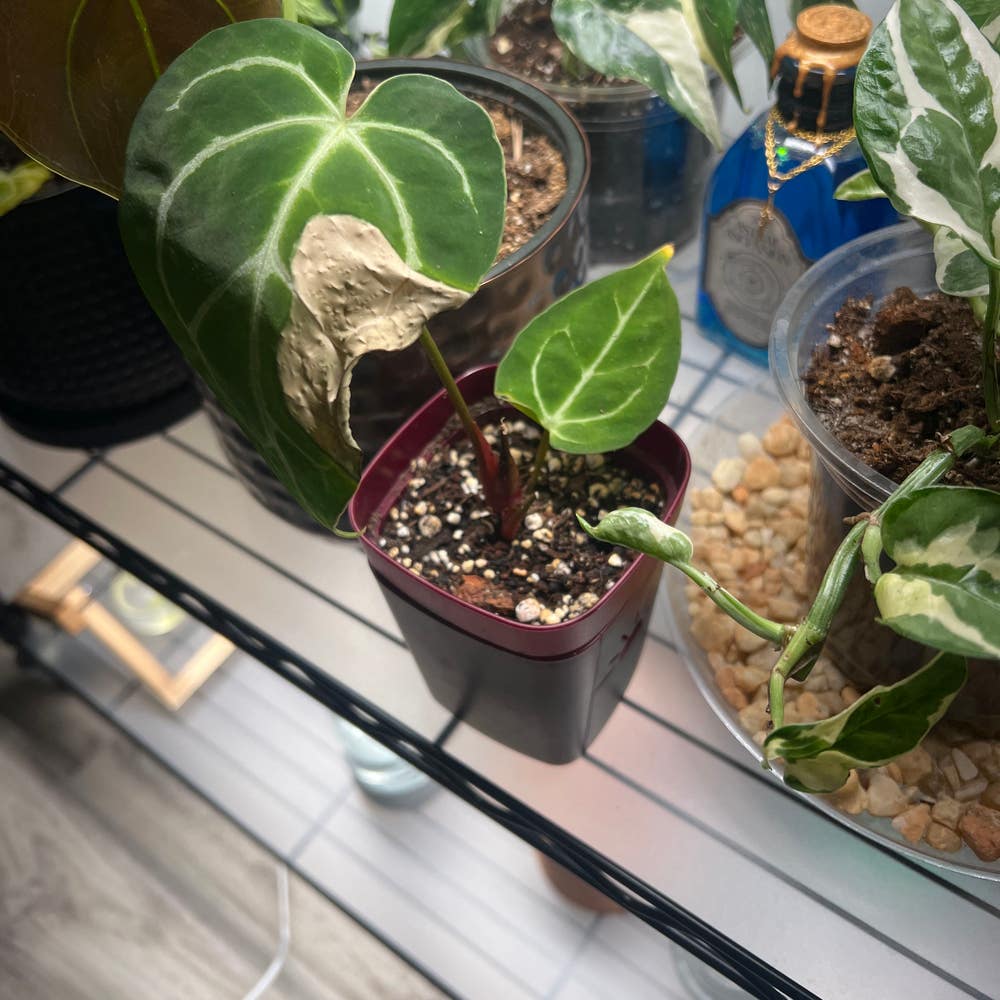
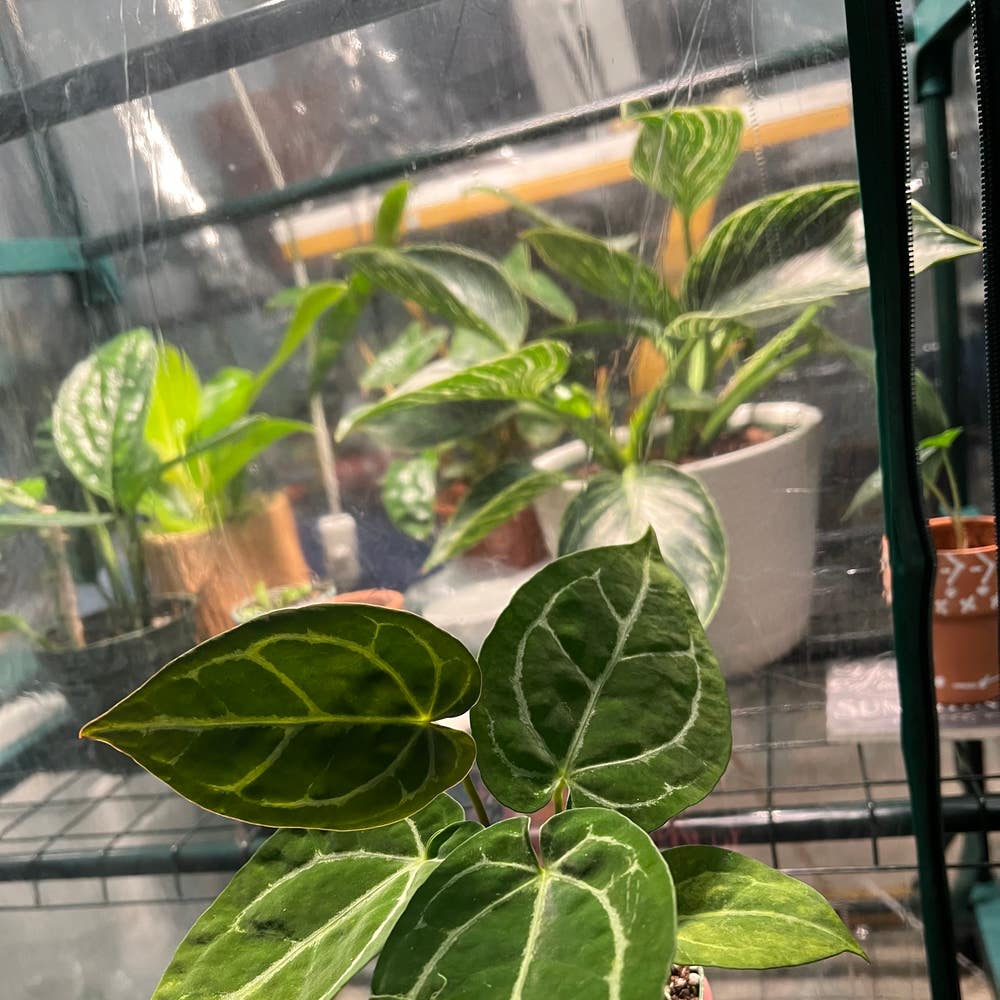
🐜 What Are The Bugs on My Anthurium crystallinum x magnificum?
Anthurium crystallinum x magnificum
By the Greg Editorial Team
Jun 18, 2024•3 min read
This article was created with the help of AI so we can cover more plants for you. May contain errors. See one? Report it here.
Safeguard your Anthurium's lush allure 🌿 from stealthy pests with these proven detection and defense strategies! 🛡️
- Identify pests by webbing, bumps, flies, or white masses.
- Combat with neem oil, alcohol swabs, or manual removal.
- Prevent infestations with regular inspections and proper plant care.
Spot the Invaders: Identifying Common Pests
🕷️ Spider Mites
Tiny but mighty, spider mites are the ninjas of the plant pest world. Look for webbing and leaf stippling—a surefire sign these pests are sapping your plant's strength.
🐞 Scale Insects
Bumps on stems and leaves that seem decorative? Think again. These waxy or shell-like bumps are scale insects in disguise, plotting against your plant's health.
🦟 Fungus Gnats and Fruit Flies
Dark-bodied flies hovering over the soil or a cloud of annoyance when you water? You've got fungus gnats or fruit flies throwing a party at your plant's expense.
🐛 Mealybugs
If you spot white masses that look like tiny cotton plantations on stems and leaf nodes, mealybugs have made themselves at home. Eviction notice pending.
🚫 Other Unwelcome Guests
Aphids, thrips, and whiteflies don't just visit; they move in and multiply. These pests are the uninvited roommates of the plant world, overstaying their welcome.

Battle Tactics: Effective Remedies for Each Pest
🕷️ Spider Mites
Neem oil and insecticidal soap are your green guardians against spider mites. Apply these with the precision of a sniper, ensuring to hit all the nooks and crannies. Persistence pays off, so repeat treatments weekly to break the pest's life cycle.
🦟 Scale Insects
For scale insects, start with a manual removal session. Don your gloves and pluck them off like you're picking off tiny, evil hats. Follow up with a thorough coating of horticultural oil, making sure to hit every last one. Repeat as necessary; these critters are stubborn.
🦟 Fungus Gnats and Fruit Flies
Sticky traps are your first line of defense against these tiny terrors. For a deeper clean, a neem oil soil drench will help tackle any larvae lurking in the dirt. Be thorough and consistent for the best results.
🐞 Mealybugs
Alcohol swabs are your secret weapon against mealybugs. Swipe them with the might of a miniaturized bouncer ejecting unwanted clubgoers. For larger infestations, coat with horticultural oil or insecticidal soap, and prepare for a few rounds in the ring.
🐜 Other Pests
- Aphids: Blast them with insecticidal soap or a strong jet of water.
- Thrips: Neem oil, predatory mites, or spinosad will show them the door.
- Whiteflies: Yellow sticky traps to catch their attention, followed by insecticidal soap or horticultural oil to seal the deal.

Fortify Your Plant: Preventative Measures
🛡️ General Prevention
Regular inspections are your plant's lifeline. Think of it as a routine health check-up—catching issues early can save your green buddy from a world of hurt. Quarantine new plants like they're potential Trojan horses; they could be harboring hidden pests.
💧 Humidity and Watering
Keep the moisture levels just right—balance is key. Too dry, and you're inviting spider mites to the party; too wet, and you're throwing a fungus gnat fiesta. Water with precision, and make sure your plant's soil is the Goldilocks zone: not too soggy, not too dry.
🌱 Soil and Cleanliness
Choose your soil like you'd choose a mattress—well-draining and comfortable for your plant's roots. Keep the surrounding area spick and span; cleanliness isn't just about aesthetics, it's about creating a hostile environment for pests. Remember, a clean plant space is a pest-free space.

⚠️ Safety First
This content is for general information and may contain errors, omissions, or outdated details. It is not medical, veterinary advice, or an endorsement of therapeutic claims.
Always consult a qualified healthcare professional before using any plant as food, medicine, or supplement.
Never eat any plant (or feed one to pets) without confirming its identity with at least two trusted sources.
If you suspect poisoning, call Poison Control (800) 222-1222, the Pet Poison Helpline (800) 213-6680, or your local emergency service immediately.
Spotted an error? Please report it here.
Eradicate pests from your Anthurium crystallinum x magnificum with Greg's reminders 🛡 and community insights, ensuring your plant stays healthy and vibrant.