Diagnosing Anthurium crystallinum x magnificum Root Rot
Anthurium crystallinum x magnificum
By the Greg Editorial Team
Jun 18, 2024•5 min read
This article was created with the help of AI so we can cover more plants for you. May contain errors. See one? Report it here.
Rescue your anthurium from root rot's grip 🌿 with this essential guide to spotting, treating, and preventing the silent killer.
- Yellow leaves, wilting, and foul odor signal root rot in Anthuriums.
- Prune affected roots and dry soil to combat root rot immediately.
- Well-draining potting mix and careful watering prevent future rot.
Spotting the Red Flags: Symptoms of Root Rot
🚩 Visual Clues
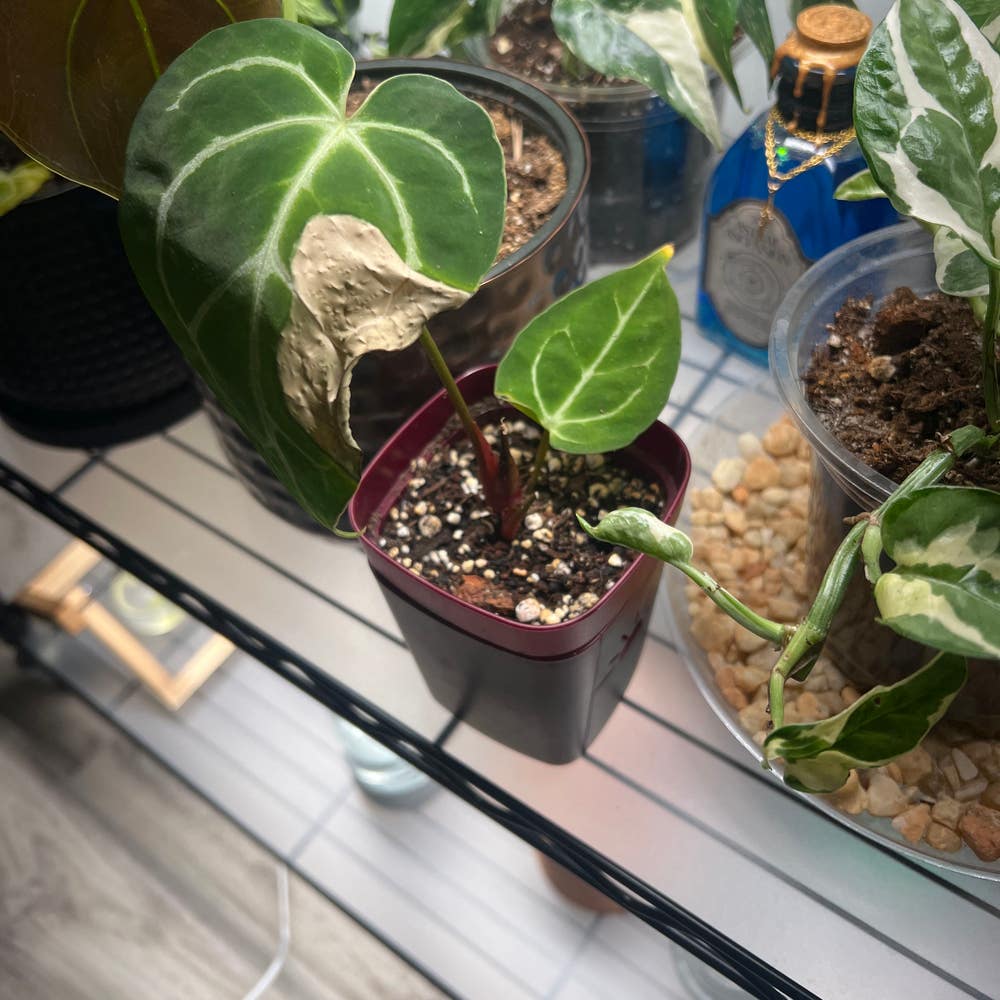
Yellowing leaves and a wilted demeanor in your Anthurium crystallinum x magnificum are not just signs of a bad day; they're screaming for help. Stunted growth or leaves dropping like flies should have you on high alert.
👃 Sniff Test
Trust your nose when it tells you something's rotten in the state of your pot. A foul odor is the plant's equivalent of an S.O.S. flare, indicating decay that's not just surface-level.
✋ Touch and Texture
Don your detective hat and get tactile. If the roots feel like they've been through a zombie apocalypse—mushy and discolored—it's time for some serious plant triage.

Getting to the Root of the Problem: Diagnosis
🌱 Root Inspection
Carefully unearth your Anthurium crystallinum x magnificum and shake off excess soil to get a clear view of the roots. Healthy roots are typically white or cream-colored, firm, and springy. If you encounter roots that are brown, mushy, or emitting a foul odor, you're likely dealing with root rot. Use sterilized shears to cut away the affected areas, preventing further spread of the disease.
🧐 Differentiating Factors
It's crucial to distinguish root rot from other plant ailments. While pests or nutrient deficiencies can cause similar symptoms, root rot is characterized by a distinct decay of the root system. Look for telltale signs like discolored or mushy roots and a moldy smell. If you're unsure, consider sending a soil sample to a diagnostic lab for confirmation. Keep an eye out for pests like fungus gnats, which can exacerbate root rot issues.

First Aid for Roots: Immediate Treatment Steps
💧 Drying Out
When root rot strikes, think of water as your frenemy. It's time to dial back on the H2O and let the soil go from swampy to semi-arid. Only water when the topsoil feels like a high-five, not a handshake—dry on top, slightly moist below.
✂️ Pruning for Health
Grab your sterilized scissors—it's surgery time. Snip the soggy, brown roots with the precision of a bonsai artist. Remember, it's a delicate balance; match your foliage pruning to the roots you've removed to keep your plant from going into shock.
🌿 Choosing the Right Treatment
Fungicides are your plant's new best friends. Choose wisely, like picking a Netflix show on a Friday night. Natural remedies? Cinnamon isn't just for lattes; it's got anti-fungal chops too. If you're going chemical, follow the label like it's your grandma's cookie recipe—precisely and with respect.

Rebuilding Foundations: Post-Treatment Care
🌱 The Perfect Potting Mix
After addressing root rot, rebuilding your Anthurium crystallinum x magnificum's foundation starts with the potting mix. Drainage is your new mantra. A mix that's too dense is like a crowded elevator—no room to breathe. Aim for a blend that's one part potting soil, one part perlite or pumice, and a dash of peat moss for moisture control. This trio is like the Three Musketeers for your plant's roots, offering support, aeration, and just the right amount of moisture retention.
🏡 Repotting with Care
When repotting, think of it as moving day for your plant. Gentleness is key. Choose a pot that's a size up with drainage holes—non-negotiable. Before your plant settles into its new abode, moisten the mix. Dry soil is a greedy sponge, robbing your roots of hydration. When placing your plant in its new pot, ensure it's not too deep or shallow—like Goldilocks, it has to be just right. After tucking it in, resist the urge to overwater. Let your Anthurium ease into its new home with the soil just moist, like a welcome mat that's damp but not drenched.
Keeping the Rot Away: Prevention Strategies
💧 Watering Wisdom
Mastering the watering schedule is crucial to prevent root rot. Ensure the soil is dry between waterings, and adjust frequency with seasonal changes—less in winter, more in summer. Early morning watering lets leaves dry out, reducing the risk of fungal attraction. Waterproof saucers are like umbrellas for your plants' feet, keeping excess moisture away.
🌿 Environment Mastery
Creating the right environment is key to keeping root rot at bay. Humidity and temperature should be kept in check; think of it as setting the thermostat to 'plant comfortable.' Good air circulation is non-negotiable; use fans or space out plants to avoid a fungal mosh pit. Keep it clean—sanitize pots and tools, and remove old leaves and debris promptly. Remember, a tidy room equals a happy plant.
👩🌾 Cultural Control Methods
Rotate your pots to promote even growth and prevent disease. Sunlight and air circulation are the dynamic duo here; they're like Batman and Robin for plant health. And don't forget to thin out seedlings when necessary to prevent overcrowding. A trellis can also help keep foliage off the soil, improving air flow and reducing humidity.
🌍 Adjusting to Environmental Conditions
Be vigilant and ready to adjust your care routine with sudden changes in the environment. Adding a layer of mulch can help conserve moisture and regulate soil temperature, just don't pile it against the stem. And always water at the base to keep foliage dry, because wet leaves are party central for fungi.
⚠️ Safety First
This content is for general information and may contain errors, omissions, or outdated details. It is not medical, veterinary advice, or an endorsement of therapeutic claims.
Always consult a qualified healthcare professional before using any plant as food, medicine, or supplement.
Never eat any plant (or feed one to pets) without confirming its identity with at least two trusted sources.
If you suspect poisoning, call Poison Control (800) 222-1222, the Pet Poison Helpline (800) 213-6680, or your local emergency service immediately.
Spotted an error? Please report it here.
Banish root rot 🚫 from your Anthurium crystallinum x magnificum with Greg's environment tracking and custom care reminders, ensuring your plant thrives under your watchful eye!