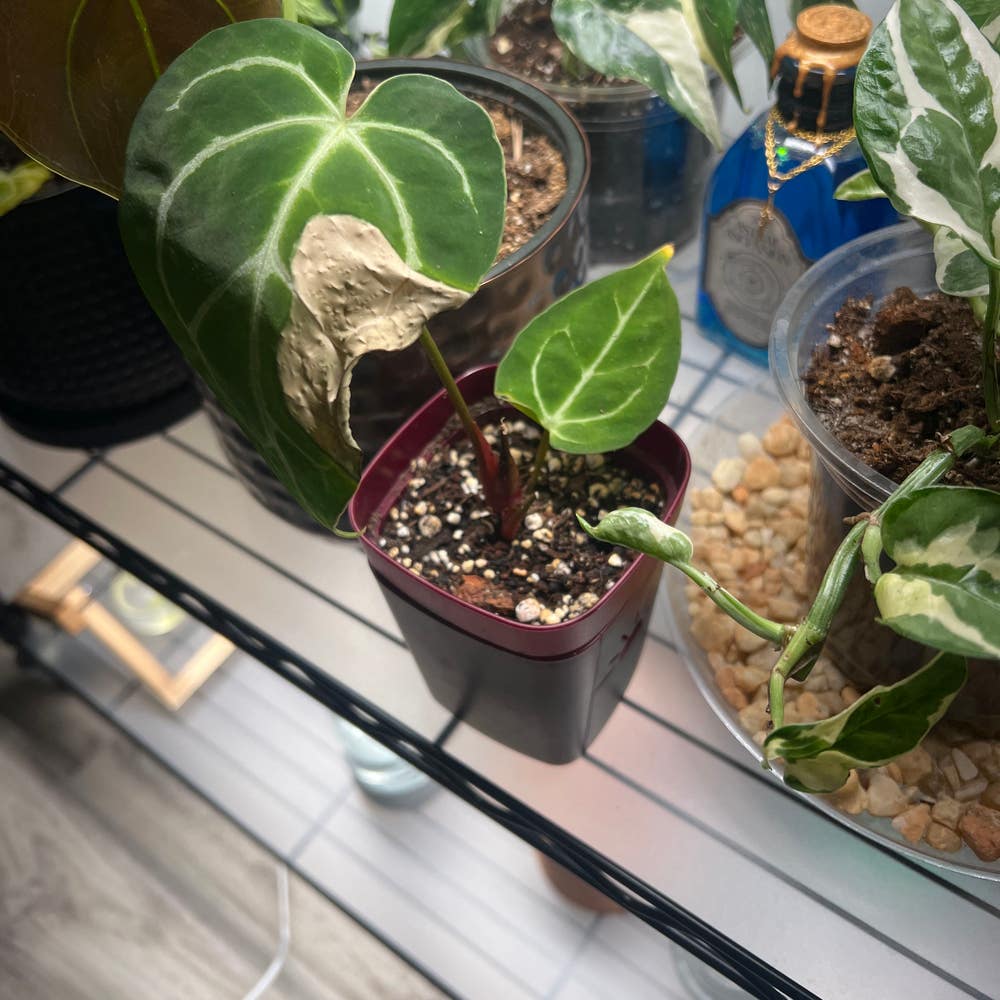
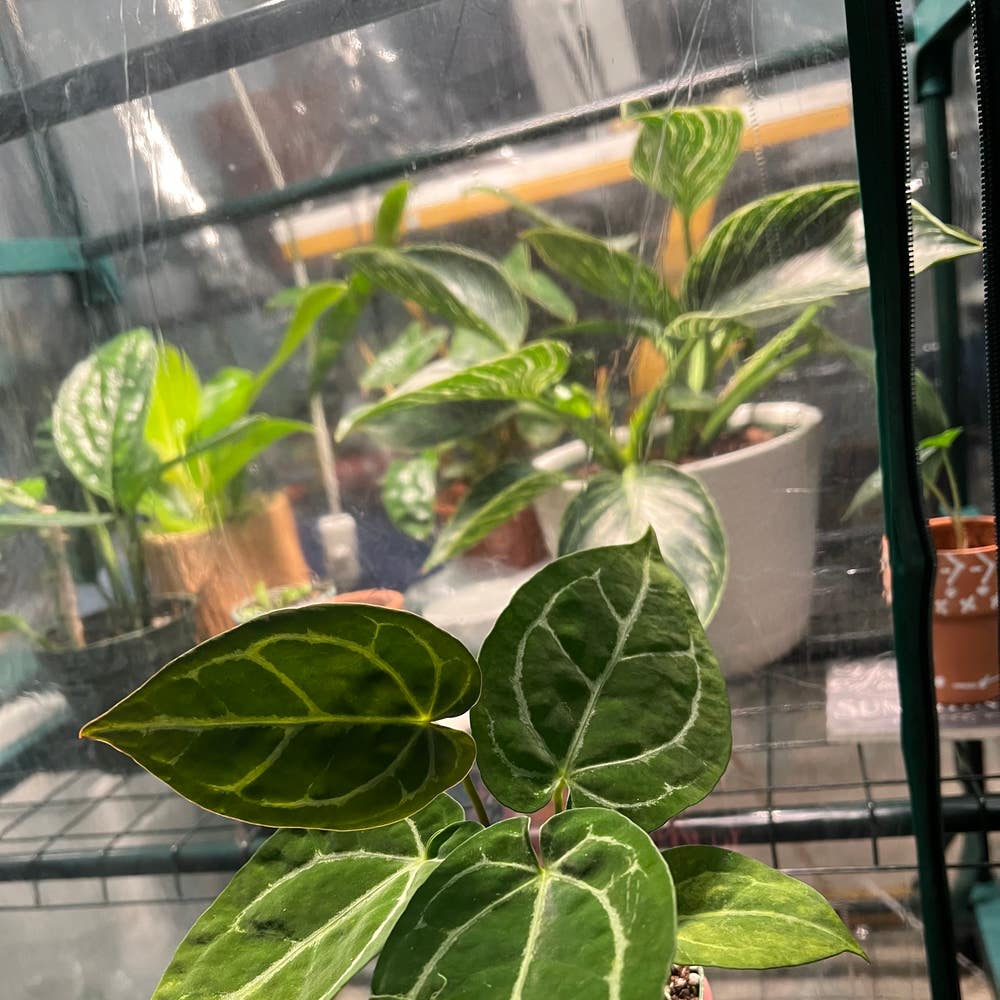
🌱 Anthurium crystallinum x magnificum Roots 101
Anthurium crystallinum x magnificum
By the Greg Editorial Team
Sep 29, 2024•6 min read
This article was created with the help of AI so we can cover more plants for you. May contain errors. See one? Report it here.
Discover how to nurture your Anthurium's roots 🌱 for vibrant growth and stunning foliage in your home garden!
- 🌱 Anthurium roots thrive in well-drained, organic-rich soil for optimal growth.
- 💧 Avoid overwatering by letting the top 1-2 inches of soil dry out.
- 🔄 Transplant every 1-2 years to prevent rootbound conditions and promote health.
Root System Characteristics
Type of Root System 🌱
Anthurium crystallinum x magnificum features a fibrous root system. This means it has thin, branching roots that spread out widely, allowing the plant to efficiently absorb nutrients and water.
These roots are designed for optimal performance in their natural habitat, ensuring the plant thrives even in challenging conditions.
Specific Characteristics of Roots 🌿
The roots of this plant have unique adaptations to tropical environments. They are particularly sensitive to overwatering, making proper drainage essential for their health.
Additionally, these roots prefer well-aerated, organic-rich soil to support robust development. This combination of factors helps the plant flourish in its native ecosystem.
Understanding these characteristics is crucial for anyone looking to cultivate this stunning species successfully.
Root Depth and Spread
Typical Root Depth and Spread 🌱
Anthurium crystallinum x magnificum typically boasts a root depth of 12-18 inches (30-45 cm). Its roots can spread impressively, extending up to 24 inches (60 cm) in diameter.
Growth Patterns of the Root System 🌍
Roots are responsive to their environment, adapting to factors like humidity and temperature. High humidity encourages root expansion, while temperature fluctuations can affect growth rates throughout the seasons.
Understanding these growth patterns is crucial for maintaining plant health. Seasonal changes can lead to varying root activity, impacting nutrient uptake and overall vitality.
By observing these dynamics, you can better cater to your plant's needs, ensuring it thrives in its tropical habitat.
Care Practices Influenced by Roots
💧 Watering Techniques Based on Root Structure
Proper watering is crucial for the health of your Anthurium crystallinum x magnificum. Allow the top 1-2 inches of soil to dry out between waterings to prevent overwatering.
To ensure effective drainage, use pots with drainage holes. Additionally, incorporating perlite or orchid bark into your soil mix can enhance aeration and prevent root rot.
🌱 Fertilizing Tips for Optimal Root Health
Fertilization plays a key role in supporting robust root systems. Aim to fertilize monthly during the growing season for optimal growth.
Choose balanced NPK fertilizers or organic options to nourish your plant effectively. This will help maintain healthy roots and overall plant vitality.
🌿 Best Practices for Transplanting
Transplanting is essential for maintaining healthy roots. Plan to transplant your Anthurium every 1-2 years or when it becomes rootbound.
Follow these steps for successful transplanting:
- Prepare a new pot with fresh soil.
- Gently remove the plant from its current pot.
- Inspect and trim any damaged roots.
- Place the plant in the new pot and water thoroughly.
These practices will ensure your plant continues to thrive and develop a strong root system.
As you care for your Anthurium, keep an eye on its roots and adjust your practices accordingly. This attention will lead to a flourishing plant that brings beauty to your space.
Common Root-Related Issues
🦠 Identifying Root Rot and Other Diseases
Root rot is a common issue that can devastate your Anthurium crystallinum x magnificum. Look for symptoms like wilting, yellowing leaves, and a foul odor emanating from the soil.
Other diseases to be aware of include Fusarium wilt and nematodes. These can also negatively impact root health, leading to stunted growth and overall plant decline.
🛡️ Preventative Measures for Root Health
Maintaining proper watering and drainage is crucial for root health. Overwatering can lead to root rot, so always ensure your plant has adequate drainage.
Regularly check the soil for compaction and aeration. This helps promote healthy root growth and prevents disease.
⚙️ Solutions for Common Root Problems
If you notice root rot, act quickly: remove the affected roots and repot the plant in fresh soil. This can help revive your plant and restore its health.
To prevent pests, conduct regular inspections and consider using organic pesticides. This proactive approach can save your roots from potential damage and keep your plant thriving.
With these strategies, you can ensure your Anthurium remains healthy and vibrant. Next, let’s explore how to recognize indicators of root health.
Indicators of Root Health
👀 Visual Cues of Healthy Roots
Healthy roots are a gardener's delight. Look for roots that are firm, with a white or light tan color and minimal odor.
When roots fill the pot but don’t become tangled, it’s a sign of robust growth. This indicates that your Anthurium crystallinum x magnificum is thriving and ready to take on more nutrients.
🚫 Signs of Unhealthy Roots
Unhealthy roots tell a different story. Indicators include a dark, mushy texture, foul smells, and stunted growth.
Early detection is crucial. Addressing these issues promptly can prevent further damage and ensure your plant remains healthy and vibrant.
Understanding these visual cues can empower you to take action before problems escalate. With this knowledge, you can nurture your plant's roots and promote overall health.
Next, let’s explore common root-related issues that may arise and how to tackle them effectively.
Rootbound Plants
Definition and Recognition of Rootbound Conditions 🌱
Rootbound plants occur when roots circle the pot, limiting their growth space. You can easily spot a rootbound plant by its stunted growth and water pooling on the surface of the soil.
When and How to Address Rootbound Issues 🛠️
Intervene when you notice growth slowing or roots peeking out of the drainage holes.
- Carefully remove the plant from its pot.
- Gently loosen and trim any circling roots.
- Repot in a larger container filled with fresh soil.
Addressing rootbound conditions promptly ensures your plant continues to thrive. With the right care, your Anthurium crystallinum x magnificum will flourish, setting the stage for healthy growth and vibrant foliage.
Propagation and Division
Importance of Root Health in Propagation 🌱
Healthy roots are crucial for successful propagation. They ensure that new plants can absorb nutrients and water effectively, leading to stronger, more resilient growth.
Techniques for Dividing ✂️
The best time to divide your Anthurium crystallinum x magnificum is during the growing season. This timing allows the plant to recover quickly and thrive in its new setup.
Steps for Successful Division
- Remove the plant from its pot. Gently take it out to avoid damaging the roots.
- Identify natural divisions. Look for sections that can be separated without harming the overall root system.
- Replant divisions. Place each division in suitable pots filled with appropriate soil to support their growth.
By following these steps, you can ensure that your divided plants will flourish. Healthy roots not only enhance propagation success but also contribute to the overall vitality of your garden.
Next, let’s explore common root-related issues that can arise and how to tackle them effectively.
⚠️ Safety First
This content is for general information and may contain errors, omissions, or outdated details. It is not medical, veterinary advice, or an endorsement of therapeutic claims.
Always consult a qualified healthcare professional before using any plant as food, medicine, or supplement.
Never eat any plant (or feed one to pets) without confirming its identity with at least two trusted sources.
If you suspect poisoning, call Poison Control (800) 222-1222, the Pet Poison Helpline (800) 213-6680, or your local emergency service immediately.
Spotted an error? Please report it here.
Nurture your Anthurium crystallinum x magnificum's roots for vibrant growth 🌿 with Greg's tailored care reminders and expert tips that keep your plant thriving!