🌺 Anthurium crystallinum x magnificum Is Not Considered a Weed
Anthurium crystallinum x magnificum
By the Greg Editorial Team
Sep 29, 2024•5 min read
This article was created with the help of AI so we can cover more plants for you. May contain errors. See one? Report it here.
Uncover how Anthurium 🌼 beautifies your garden while promoting local ecosystems without being invasive!
- 🌱 Anthurium crystallinum x magnificum is non-invasive, thriving in specific garden conditions.
- 🐝 Supports biodiversity by attracting pollinators and providing wildlife habitat.
- 🌿 Regular care and proper spacing ensure Anthurium remains healthy and vibrant in gardens.
Plant Classification
Definition of Invasive Species 🌱
Invasive species are plants that grow rapidly and spread beyond their intended areas. They often displace native species and can negatively impact local ecosystems, disrupting the balance of nature.
Why Anthurium is Non-Invasive 🌼
Anthurium crystallinum x magnificum is not considered invasive due to its growth limitations. It typically remains confined to its immediate planting area and thrives only under specific conditions, such as high humidity and shade.
Anthurium does not exhibit aggressive growth patterns like many invasive species. Instead, it maintains a balance within its ecosystem, contributing positively without overwhelming other plants.
This unique characteristic makes it a valuable addition to gardens, allowing for a diverse and harmonious environment.
Growth Habits
🌱 Typical Growth Patterns in Gardens
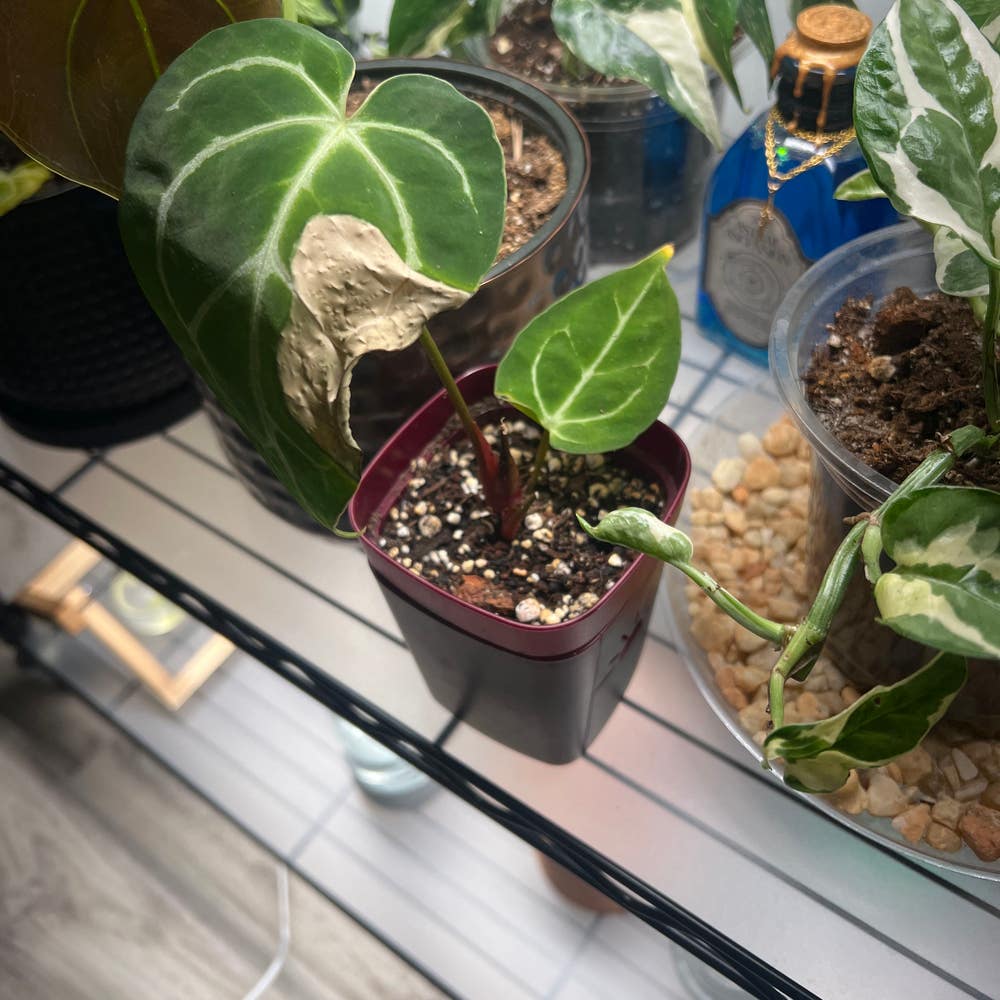
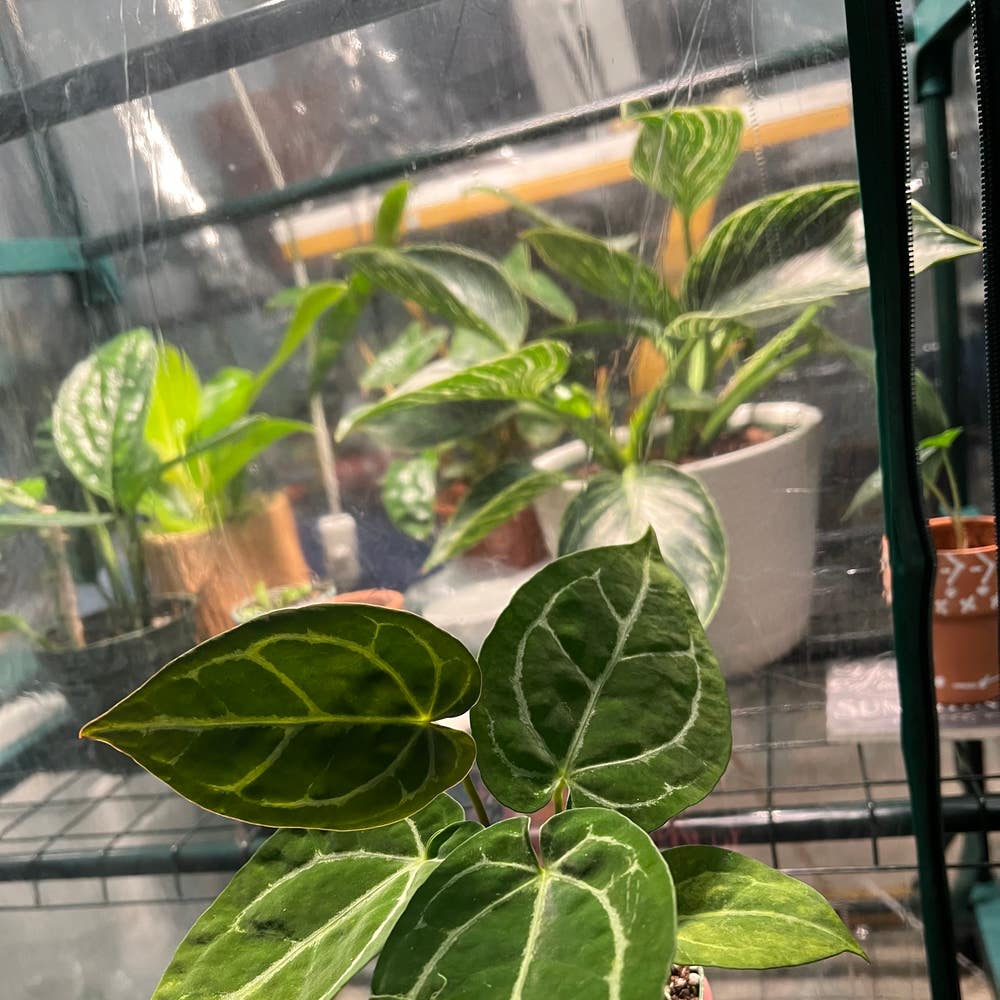
Anthurium crystallinum x magnificum exhibits an upright growth form, showcasing large, heart-shaped leaves that can reach heights of 2-3 feet (60-90 cm) under optimal conditions. This striking appearance makes it a popular choice for garden enthusiasts looking to add a tropical flair.
Light and moisture are crucial for its thriving. This plant prefers shaded areas with consistent moisture, flourishing in well-draining, rich soil that mimics its natural habitat.
🌍 Natural Limits to Growth and Spread Potential
Environmental factors play a significant role in limiting Anthurium's growth. It thrives best in specific humidity and temperature ranges, with growth slowing considerably in dry or overly sunny conditions.
Maintenance is key to keeping this plant healthy. Regular watering and humidity checks are essential to ensure it remains vibrant and lush, preventing any potential decline in health.
Incorporating Anthurium into your garden not only enhances its beauty but also ensures a balanced ecosystem. As we explore its ecological role next, you'll see how it contributes positively to local wildlife and biodiversity.
Ecological Role
Benefits in Gardens and Ecosystems 🌼
Anthurium crystallinum x magnificum is more than just a beautiful plant; it plays a vital role in attracting pollinators. Its flowers produce nectar that draws in bees and butterflies, creating a lively atmosphere in your garden.
Additionally, the foliage of this plant provides essential shelter and habitat for small creatures. This makes it a valuable asset for local wildlife, enhancing the overall health of your garden ecosystem.
Positive Interactions with Local Wildlife 🦋
By incorporating Anthurium into your garden, you contribute to biodiversity. This plant supports various species, helping to create a balanced ecosystem.
Moreover, the interactions between Anthurium and local wildlife are mutually beneficial. Wildlife not only aids in pollination but also assists in seed dispersal, promoting the growth of more plants and enriching the environment.
In essence, Anthurium crystallinum x magnificum is a powerhouse of ecological benefits, making it a fantastic choice for any garden enthusiast. As we explore garden management next, consider how to best incorporate this plant into your designs for maximum impact.
Garden Management
Incorporating Anthurium into Garden Designs 🌿
Anthurium can be a stunning focal point in shaded garden areas. Its large, heart-shaped leaves create a lush aesthetic, especially when paired with other tropical plants.
When planting, ensure you space the Anthurium adequately to allow for its growth. Proper soil conditions, rich and well-draining, are essential for optimal health.
Considerations for Controlling Growth ✂️
Aesthetic management is key to keeping your Anthurium looking its best. Regular pruning techniques help maintain the desired shape and prevent any unwanted overgrowth.
It's also important to monitor your plants regularly. Keeping an eye on their growth ensures they remain within designated areas, contributing to a harmonious garden environment.
With these management strategies, your Anthurium can thrive beautifully in your garden, enhancing its overall appeal. Next, let’s explore how Anthurium compares to other plants in terms of invasiveness and unique qualities.
Comparison to Other Plants
🌱 Similar Non-Invasive Plants
When considering non-invasive options for your garden, Philodendron species and Monstera varieties often come to mind. Both share a tropical aesthetic but differ in their growth habits and leaf structures.
Anthurium stands out with its unique leaf patterns and textures. While Philodendrons may have broader leaves, Anthurium's heart-shaped foliage features striking veining that adds visual interest.
🌟 Unique Qualities of Anthurium
One of the most captivating aspects of Anthurium is its striking foliage and texture. The rich coloration and intricate veining patterns create a stunning display that can elevate any garden space.
Moreover, Anthurium's versatility in garden settings is noteworthy. It adapts well to various tropical environments, making it a fantastic choice for shaded areas where other plants might struggle. This adaptability allows gardeners to create lush, vibrant spaces that thrive year-round.
In summary, while there are several non-invasive plants to choose from, Anthurium crystallinum x magnificum offers unique qualities that set it apart. Its beauty and adaptability make it a valuable addition to any garden, enhancing both aesthetics and biodiversity.
As we explore the legal and environmental considerations surrounding Anthurium, it's essential to understand how to responsibly incorporate this plant into your gardening practices.
Legal and Environmental Considerations
Relevant Classifications and Guidelines 🌍
When planting tropical plants like Anthurium, it's essential to be aware of local regulations. Some regions may have restrictions on specific species to protect native ecosystems.
Sourcing plants from reputable nurseries is crucial. This practice helps ensure you avoid inadvertently introducing invasive species into your garden.
Fit within Sustainable Gardening Practices ♻️
Anthurium plays a vital role in promoting biodiversity. By enhancing garden ecosystems, it supports local wildlife without harming native species.
To maintain a sustainable garden, focus on best practices for care. Emphasizing organic methods and responsible sourcing of plants can make a significant difference in your gardening impact.
Incorporating Anthurium into your garden not only beautifies your space but also contributes positively to the environment. As you plan your garden, consider how each plant can work together to create a thriving ecosystem.
Next, let’s explore how to effectively incorporate Anthurium into your garden designs for maximum impact.
⚠️ Safety First
This content is for general information and may contain errors, omissions, or outdated details. It is not medical, veterinary advice, or an endorsement of therapeutic claims.
Always consult a qualified healthcare professional before using any plant as food, medicine, or supplement.
Never eat any plant (or feed one to pets) without confirming its identity with at least two trusted sources.
If you suspect poisoning, call Poison Control (800) 222-1222, the Pet Poison Helpline (800) 213-6680, or your local emergency service immediately.
Spotted an error? Please report it here.
Transform your garden with the stunning Anthurium crystallinum x magnificum 🌱, and let Greg provide customized care reminders to ensure your plant thrives beautifully while supporting local wildlife!