3 Easy Ways to Pollinate Anthurium crystallinum x magnificum 🐝
Anthurium crystallinum x magnificum
By the Greg Editorial Team
Sep 29, 2024•7 min read
This article was created with the help of AI so we can cover more plants for you. May contain errors. See one? Report it here.
Discover how mastering Anthurium pollination 🌸 can elevate your garden's beauty and support local ecosystems!
- 🌸 Anthurium's unique flower structure attracts pollinators like bees and butterflies.
- 🌱 Self-pollination ensures seed production, while cross-pollination boosts genetic diversity.
- 🌿 Hand pollination enhances reproduction; timing and flower anatomy are key for success.
Flower Structure
Description of Flower Characteristics 🌸
The Anthurium crystallinum x magnificum features a striking flower type known as a spadix, which is enveloped by a colorful spathe. This combination not only captivates the eye but also plays a crucial role in attracting pollinators.
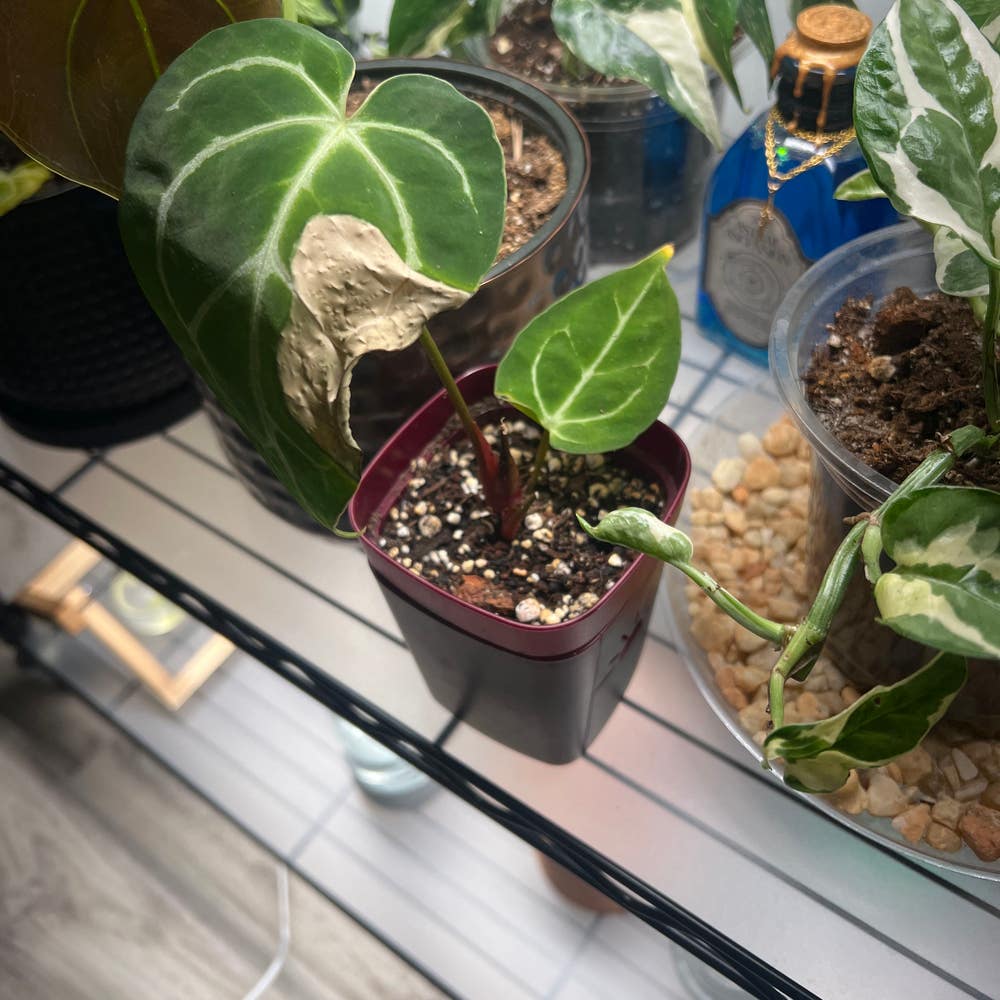
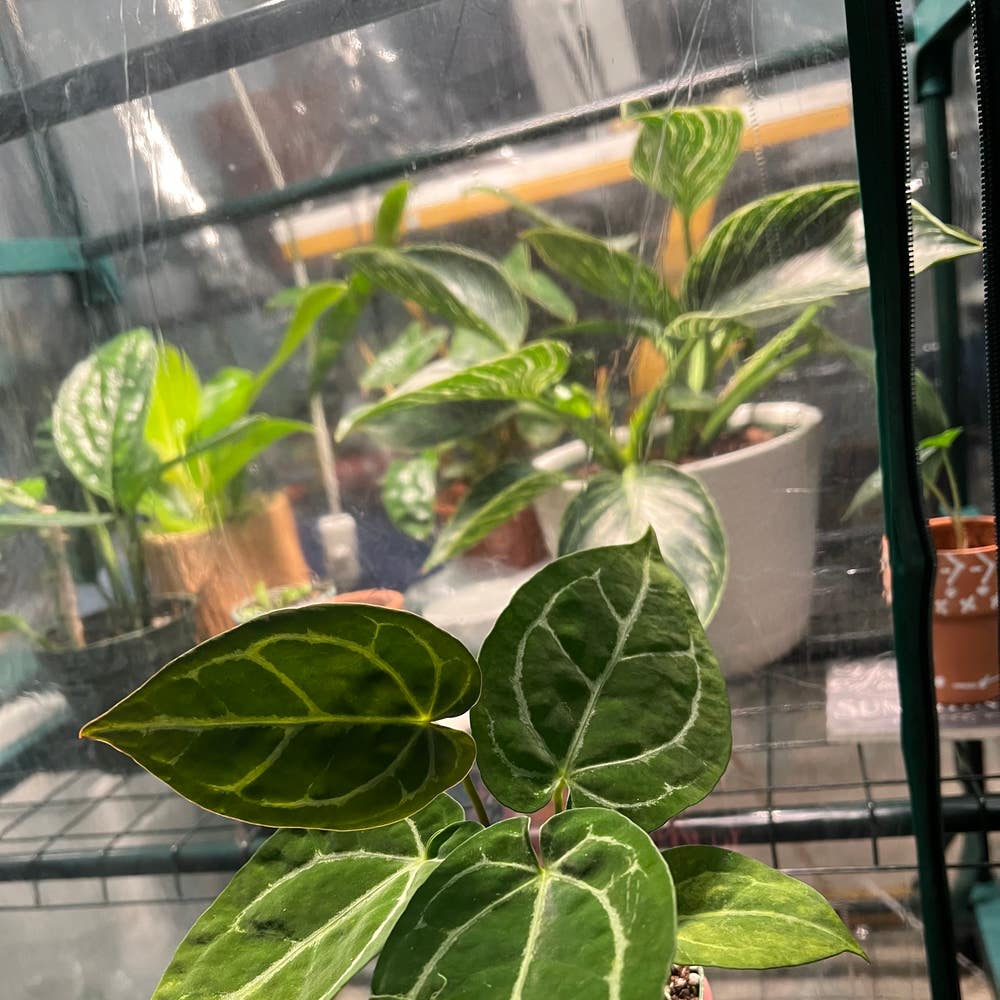
The leaves are heart-shaped and showcase prominent venation, adding to the plant's aesthetic appeal. Spathe colors can vary significantly based on the plant's parentage, creating a diverse visual palette that enhances its allure.
Arrangement of Floral Parts 🏵️
The arrangement of stamens and pistils is meticulously designed for effective pollen transfer. This anatomical setup ensures that pollen can easily reach the receptive parts of the flower, facilitating successful fertilization.
Role of Flower Structure in Pollination 🐝
The vibrant spathe serves as a beacon for pollinator species, drawing them in with its vivid colors and enticing scents. This attraction is essential for both self-pollination and cross-pollination, as the flower's structure promotes various pollination strategies.
Self-pollination occurs when pollen from the same flower fertilizes its ovules, while cross-pollination involves pollen transfer between different flowers. The unique anatomy of the Anthurium supports both methods, enhancing its reproductive success.
Understanding these flower characteristics not only enriches our appreciation of this stunning hybrid but also lays the groundwork for exploring the pollination process in greater detail.
Pollination Process
🌱 Self-Pollination
Self-pollination in Anthurium crystallinum x magnificum occurs when the plant's stamens release pollen onto its own pistils. This process ensures that even in the absence of external pollinators, the plant can still produce seeds.
While self-pollination is effective, utilizing additional methods can significantly enhance fruit and seed production. By encouraging cross-pollination, you can increase genetic diversity, leading to healthier offspring.
🐝 Cross-Pollination
Cross-pollination relies on various pollinator species, including bees, butterflies, moths, and hummingbirds. These creatures are drawn to the plant through vibrant colors and enticing scents emitted by the spathe.
The visual and olfactory cues play a crucial role in attracting these pollinators. By creating a welcoming environment, you can boost the chances of successful cross-pollination, resulting in more robust plants and a thriving ecosystem.
With a solid understanding of both self-pollination and cross-pollination, you can now explore the natural mechanisms that facilitate pollen transfer.
Natural Pollination Mechanisms
🐝 Pollen Transfer
Pollen transfer in Anthurium crystallinum x magnificum occurs primarily through the action of pollinators. As bees, butterflies, and hummingbirds visit the flowers, they inadvertently pick up pollen from the spadix and carry it to other blooms.
Environmental factors play a crucial role in this process. Temperature, humidity, and wind can either facilitate or hinder the movement of pollen, impacting the overall success of pollination.
🌱 Importance of Pollination for Genetic Diversity
Pollination is vital for the genetic diversity of Anthurium crystallinum x magnificum. By enabling cross-pollination, it promotes a wider gene pool, which can enhance the plant's resilience to diseases and environmental changes.
Maintaining diverse plant populations is ecologically significant. A rich genetic diversity not only supports the health of individual species but also contributes to the stability of entire ecosystems.
In summary, understanding natural pollination mechanisms is essential for fostering healthy plant communities. This knowledge sets the stage for exploring hand pollination techniques, ensuring that these beautiful hybrids thrive.
Hand Pollination Techniques
Hand pollination can be a rewarding way to ensure the successful reproduction of your Anthurium crystallinum x magnificum. Here’s a straightforward guide to help you navigate this process.
Step 1: Identifying Male and Female Flower Parts 🌸
Start by recognizing the flower's anatomy. The male parts, or stamens, produce pollen, while the female parts, or pistils, receive it. Familiarizing yourself with these components is crucial for effective pollination.
Step 2: Collecting Pollen 🌼
Once you’ve identified the male flowers, it’s time to gather pollen. Gently tap or shake the male flower to release the pollen grains. Alternatively, use a small brush or cotton swab to collect pollen directly from the stamens.
Step 3: Transferring Pollen ✨
Now, apply the collected pollen to the pistils of the female flowers. You can use the same brush or swab to gently dab the pollen onto the sticky stigma. Ensure that you cover the stigma thoroughly for the best chance of fertilization.
Step 4: Timing for Successful Fertilization ⏰
Timing is key in hand pollination. The best times to pollinate are early in the morning or late in the afternoon when the flowers are most receptive. This ensures that the pollen has the highest chance of successfully fertilizing the ovules.
By following these steps, you can enhance the pollination process for your Anthurium plants. This hands-on approach not only boosts fruit and seed production but also deepens your connection with these beautiful hybrids.
Next, let’s explore how to create a pollinator-friendly environment that supports these amazing plants.
Supporting Pollinators
🌼 Creating a Pollinator-Friendly Environment
Designing a garden that attracts pollinators is both rewarding and essential. Start by incorporating a variety of flowering plants that bloom at different times throughout the year to provide a continuous food source.
Consider using native plants, as they are more likely to attract local pollinator species. Additionally, avoid pesticides, which can harm beneficial insects. Instead, opt for organic gardening practices to create a safe haven for bees, butterflies, and other pollinators.
🌱 Importance of Maintaining a Diverse Plant Ecosystem
A diverse plant ecosystem is crucial for supporting pollinators. Different species provide various types of nectar and pollen, catering to the unique preferences of different pollinators.
Moreover, a varied garden can help prevent the spread of pests and diseases, promoting overall plant health. This diversity not only benefits pollinators but also enhances the resilience of your garden.
🌸 Companion Plants
Companion planting can significantly enhance pollination success for Anthurium crystallinum x magnificum. Consider adding plants like marigolds, which attract beneficial insects, or herbs like basil and mint that provide nectar.
These companion plants create a thriving habitat for pollinators, ensuring they visit your Anthurium more frequently. By fostering a welcoming environment, you can boost the chances of successful pollination and fruit production.
🐝 How Companion Plants Contribute to a Thriving Pollinator Habitat
Companion plants serve multiple purposes. They can attract pollinators, deter pests, and even improve soil health through nitrogen fixation.
By planting a mix of flowering and aromatic species, you create a vibrant ecosystem that supports not just your Anthurium, but a variety of wildlife. This interconnectedness is vital for maintaining a healthy garden and promoting biodiversity.
Incorporating these strategies will not only support pollinators but also enhance the beauty and productivity of your garden. Next, let’s explore the challenges that can arise in the pollination process and how to overcome them.
Pollination Challenges and Solutions
Common Obstacles 🌪️
Pollination success for Anthurium crystallinum x magnificum can be significantly affected by environmental factors. Temperature fluctuations and humidity levels can hinder the delicate process of pollen transfer.
Another major challenge is the lack of pollinators. Factors such as habitat loss, pesticide use, and seasonal changes can lead to reduced activity among bees, butterflies, and other essential pollinators.
Solutions for Overcoming Challenges 💪
To improve pollination rates, consider creating a more inviting environment for pollinators. Planting a diverse range of flowering plants can attract various species, enhancing the chances of successful cross-pollination.
Adjusting care practices is also crucial. Regularly monitoring humidity and temperature can help you create optimal conditions for pollination, ensuring your plants thrive.
Seasonal Considerations 🍂
Seasonal variations play a significant role in the pollination process. Different times of the year can bring changes in pollinator activity and flower availability.
Temperature and humidity fluctuations throughout the seasons can directly impact pollination success. Keeping an eye on these factors will help you maintain the health of your Anthurium crystallinum x magnificum and support its reproductive success.
With a proactive approach, you can navigate these challenges and foster a thriving pollination environment. Next, let's explore how to create a pollinator-friendly space that benefits both your plants and local wildlife.
⚠️ Safety First
This content is for general information and may contain errors, omissions, or outdated details. It is not medical, veterinary advice, or an endorsement of therapeutic claims.
Always consult a qualified healthcare professional before using any plant as food, medicine, or supplement.
Never eat any plant (or feed one to pets) without confirming its identity with at least two trusted sources.
If you suspect poisoning, call Poison Control (800) 222-1222, the Pet Poison Helpline (800) 213-6680, or your local emergency service immediately.
Spotted an error? Please report it here.
Ensure your Anthurium crystallinum x magnificum thrives by creating a pollinator-friendly haven 🌸 with Greg's expert tips and personalized reminders for successful hand pollination!