❄️ 3 Winter Threats to Your Anthurium crystallinum x magnificum
Anthurium crystallinum x magnificum
By the Greg Editorial Team
Sep 29, 2024•5 min read
This article was created with the help of AI so we can cover more plants for you. May contain errors. See one? Report it here.
Ensure your Anthurium thrives this winter 🌿 for a stunning spring bloom with these essential care tips!
- 💧 Water every 2-3 weeks in winter to prevent overwatering your Anthurium.
- 🌬️ Maintain humidity between 60%-80% for optimal winter health.
- ❄️ Protect from frost by moving indoors or using frost cloths.
Winter Care Requirements
🌊 Adjusting watering schedules during winter
During winter, it's crucial to adjust your watering schedule for your Anthurium. Reduce watering to every 2-3 weeks to prevent overwatering.
Watch for signs of overwatering, such as yellowing leaves and root rot. Allow the soil to dry slightly between waterings to promote healthy root growth.
🧂 Modifying fertilizing practices for winter months
Fertilization also needs a winter makeover. Aim to fertilize once every 6-8 weeks with a balanced, diluted liquid fertilizer.
This adjustment is essential as the plant's growth rate slows down during the colder months. Reducing nutrient supply helps your Anthurium thrive without overwhelming it.
💧 Importance of humidity levels in winter care
Humidity is a key player in winter care for your Anthurium. Aim for an ideal humidity range of 60% to 80% to keep your plant happy.
To maintain this humidity, consider using humidifiers, pebble trays, or misting. If you notice leaf curling or browning tips, it’s a sign that humidity levels are too low.
By keeping these winter care requirements in mind, you’ll set your Anthurium up for success. Next, let’s explore how to protect your plant from frost threats.
Protection from Frost
Identifying Frost Threats and Symptoms of Frost Damage ❄️
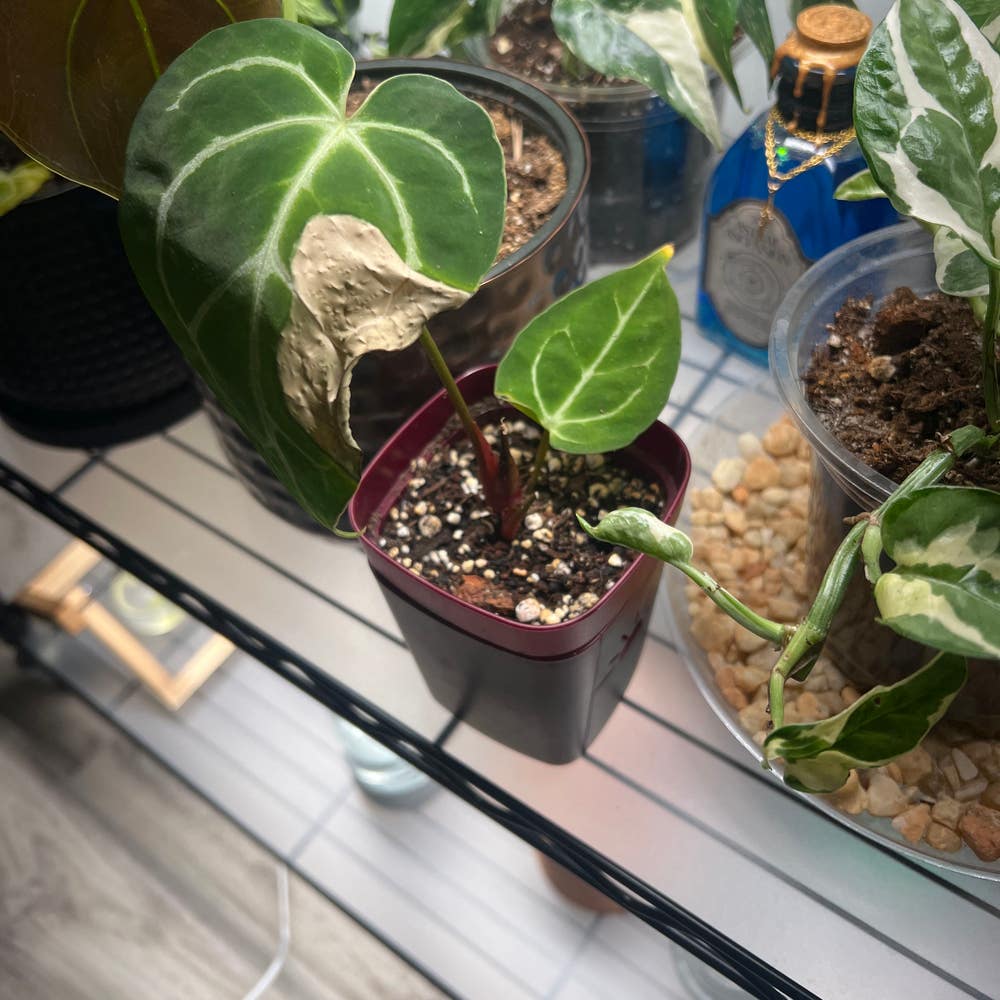
Frost can be a sneaky adversary for your Anthurium. Common symptoms include wilting, browning, and leaf drop, which can signal that your plant is struggling.
Keep an eye on temperatures; frost risks emerge when it dips below 0°C (32°F). Knowing this can help you act before damage occurs.
Best Practices for Indoor and Outdoor Frost Protection 🏡
To protect your indoor plants, move them away from windows and cold drafts. This simple step can make a significant difference in keeping your Anthurium safe.
For outdoor plants, consider bringing potted varieties indoors or using frost cloths. Always monitor weather forecasts for frost warnings to stay one step ahead.
Using Protective Coverings and Microclimates 🛡️
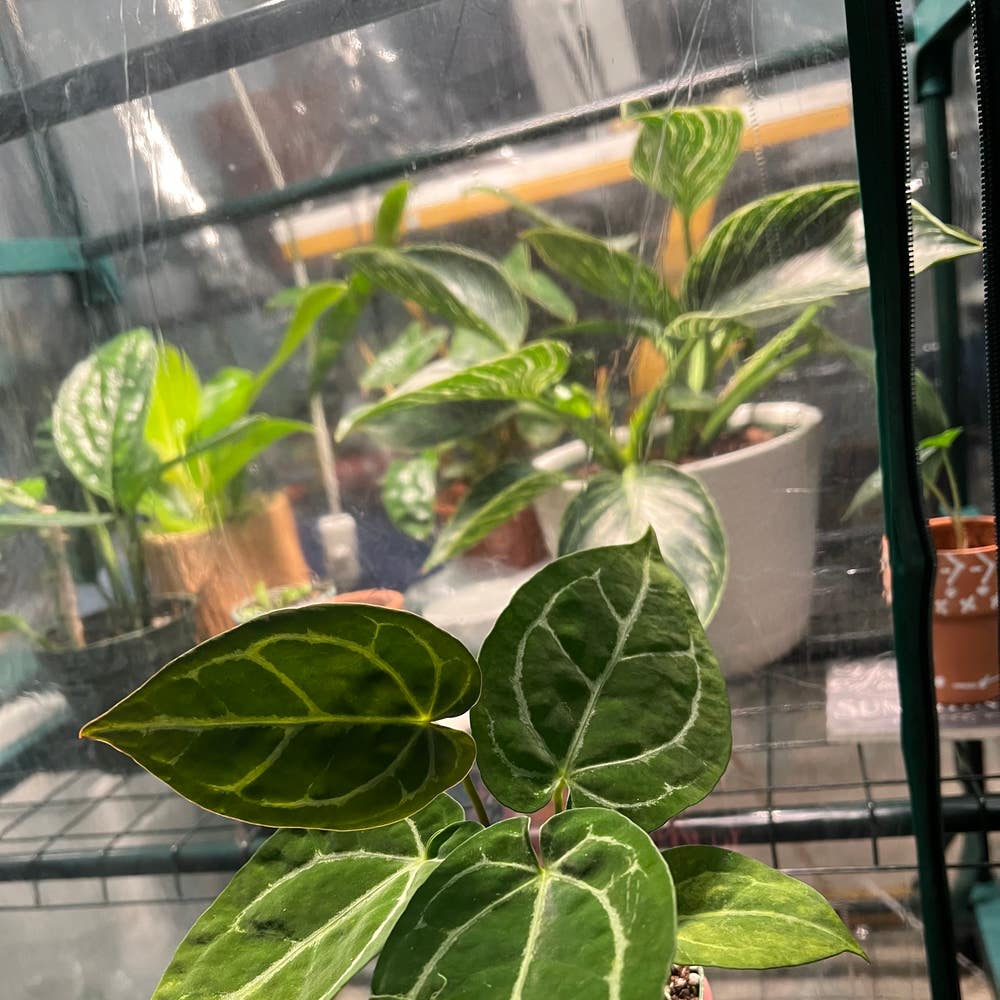
When it comes to protective coverings, options like frost cloths, blankets, or plastic sheeting can be lifesavers. These materials help shield your plants from harsh conditions.
Creating microclimates is another effective strategy. Grouping plants together or using windbreaks can provide additional warmth and protection. Remember to apply these coverings before temperatures drop at night for maximum effectiveness.
As you prepare for winter, understanding frost protection will help ensure your Anthurium thrives. Next, let’s explore how to provide optimal indoor conditions for your plant during the colder months.
Indoor Winter Care
🌡️ Optimal indoor conditions for Anthurium during winter
Maintaining the right temperature is crucial for your Anthurium. Aim to keep the indoor temperature between 18°C to 24°C (65°F to 75°F) to promote healthy growth.
Avoid placing your plant near heating vents or cold windows. These extremes can stress the plant, leading to potential damage.
🌞 Placement and light requirements for indoor growth
Your Anthurium thrives in bright, indirect sunlight for about 6-8 hours daily. This light exposure is essential for vibrant foliage and overall health.
The best spots are east or west-facing windows. Just be sure to shield your plant from direct sunlight, which can scorch its leaves.
💧 Monitoring and adjusting humidity levels indoors
Humidity plays a vital role in your plant's well-being. Use a hygrometer to measure indoor humidity levels and ensure they stay within the ideal range.
If the air is too dry, consider using humidifiers or placing water trays near your plants. Regular checks are essential to prevent dry indoor air, which can lead to leaf curling and browning.
As you care for your Anthurium indoors this winter, remember that a little attention goes a long way. With the right conditions, your plant will thrive, setting the stage for a vibrant spring.
Spring Preparation and Recovery
🌨️ Signs of Winter Damage and How to Assess Plant Health
As winter fades, your Anthurium may show signs of distress. Look for yellowing leaves, stunted growth, and leaf drop, which are common indicators of winter damage.
To assess root health, gently remove the plant from its pot. Check for root rot or mushy roots, which can signal deeper issues that need addressing.
🌱 Steps for Recovery and Rejuvenation in Spring
- Pruning Damaged Leaves: Start by removing any dead or damaged foliage. This helps the plant focus its energy on new growth.
- Adjusting Watering: Gradually increase your watering frequency as temperatures rise. This ensures your plant gets the hydration it needs without overwhelming it.
- Fertilizing: Resume your regular fertilization schedule in early spring. A balanced fertilizer will support the plant's recovery and growth.
🌼 Transitioning Care from Winter to Spring
Gradual acclimatization is key. Slowly introduce your plants to increased light and warmth to avoid shocking them.
Keep an eye on growth patterns. New growth is a positive sign that your plant is recovering well.
Lastly, maintaining humidity levels during this transition is crucial. This will help your Anthurium thrive as it adjusts to the changing season.
With these steps, your Anthurium will be well on its way to a vibrant spring! Now, let’s explore how to ensure your plant thrives through the winter months.
⚠️ Safety First
This content is for general information and may contain errors, omissions, or outdated details. It is not medical, veterinary advice, or an endorsement of therapeutic claims.
Always consult a qualified healthcare professional before using any plant as food, medicine, or supplement.
Never eat any plant (or feed one to pets) without confirming its identity with at least two trusted sources.
If you suspect poisoning, call Poison Control (800) 222-1222, the Pet Poison Helpline (800) 213-6680, or your local emergency service immediately.
Spotted an error? Please report it here.
Keep your Anthurium thriving this winter ❄️ by adjusting your care routine with Greg's personalized reminders for watering and humidity, ensuring it stays healthy and happy!