Brown Spots On Anthurium Crystallinum x Magnificum Leaves
Anthurium crystallinum x magnificum
By the Greg Editorial Team
Jun 18, 2024•4 min read
This article was created with the help of AI so we can cover more plants for you. May contain errors. See one? Report it here.
Banish brown spots 🍂 and keep your Anthurium's leaves lustrous with these proven plant care secrets!
- 🍂 Brown spots vary in size and may indicate overwatering or fungal issues.
- 🌱 Immediate action needed with increased number or size of brown spots.
- 💧🌤️ Water wisely and provide indirect light to prevent and treat brown spots.
Spotting Trouble: Recognizing Brown Spots on Your Plant
🕵️ What Do Brown Spots Look Like?
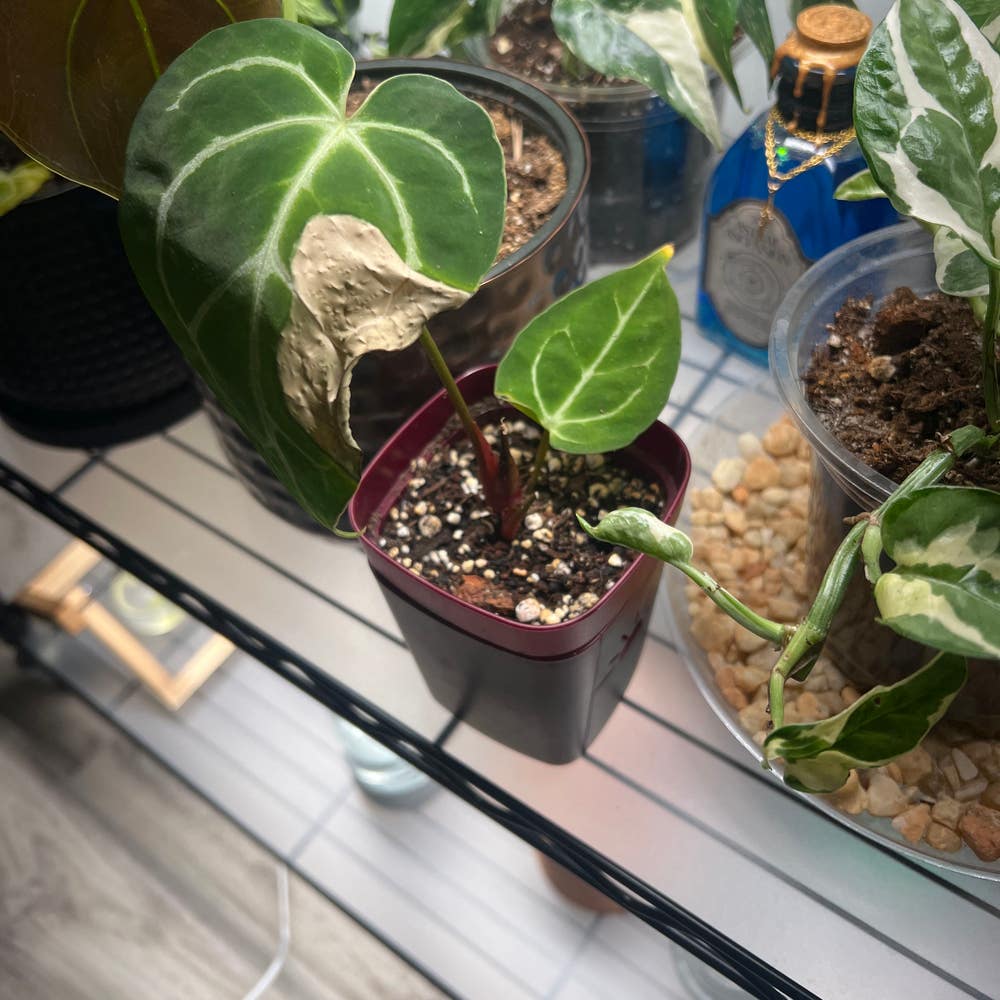
Brown spots on Anthurium crystallinum x magnificum leaves can range from tiny specks to larger patches. Their appearance might be dry or water-soaked, and sometimes they're surrounded by a yellow halo, indicating a possible fungal issue.
📍 Pinpointing the Spots: Where to Look on Your Plant
Inspect the entirety of your plant, as brown spots can appear on both mature and young leaves. They can show up anywhere—along the edges, near the veins, or in the center of the leaf.
🚨 When to Worry: Assessing the Severity of Brown Spots
A few spots here and there may not spell disaster, but an increase in number or size warrants immediate action. Pay attention to the texture: if spots are mushy to the touch, overwatering might be the culprit; if they're crispy, your plant could be objecting to your lighting choices.

The Usual Suspects: What's Causing the Brown Spots?
🌊 Too Much Love: The Perils of Overwatering
Overwatering is the helicopter parent of plant problems—it means well but ends up smothering. Your Anthurium crystallinum x magnificum might be drowning in affection, with soft, dark brown spots as its SOS signal. These spots often start at the base, where the roots are throwing in the towel due to root rot.
🍄 Unwanted Guests: Identifying Fungal Culprits
Fungal infections are like that one guest who overstays their welcome and leaves a mess. Look for concentric rings or a yellow halo around the brown spots—these are the autographs of fungal fiends like anthracnose and leaf spot. They thrive in the damp playground created by overzealous watering.
🌞 Sun Kissed or Sun Scorched? Understanding Light's Role
Your plant's relationship with the sun can be as tricky as online dating. Too much direct light, and you'll find crispy brown spots on the leaves, like a sunbather who forgot their SPF. These spots are usually on the side facing the sun, a clear sign of sunburn. The goal is bright, indirect light—the sweet spot where your plant can photosynthesize without frying.

Turning Over a New Leaf: Fixing the Brown Spot Problem
💧 Water Wisely: Finding the Sweet Spot for Hydration
Overwatering is the helicopter parent of plant care—it means well but can smother with love. Your Anthurium crystallinum x magnificum doesn't need a pool party at its roots. Let the topsoil dry out before you water again. If the soil sticks to your finger like unwanted gum, hold off on the H2O.
🌱 Soil Sleuthing: When to Consider Repotting
Repotting is like moving to a better neighborhood for your plant's roots. If the pot's too big, it's a wet, soggy mess; too small, and it's cramped like a rush-hour subway. Aim for the Goldilocks zone—just right. Fresh soil is a new lease on life, but don't go overboard. A yearly refresh should suffice unless you see signs of distress.
🍄 Fungus Among Us: Choosing Your Fungal Fighters
Fungus is the party crasher that leaves a mess. If you spot a fungal fiesta, it's time to bring out the bouncers. Trim away the affected leaves—think of it as giving your plant a haircut to get rid of the split ends. Then, choose a fungicide that's gentle yet effective, because it's not just about clearing out the current crowd but also preventing gatecrashers.

Keeping Spots at Bay: Prevention Is the Best Cure
💧 Watering Do's and Don'ts: Keeping Roots Happy and Healthy
Consistency is your plant's best friend. Water when the top inch of soil feels dry, but don't create a swamp. Use the soak and dry method—thorough watering followed by a complete drying period.
💨 Humidity Harmony: Creating the Ideal Environment
Aim for a humidity sweet spot. Not too muggy, not too arid. Use a humidifier or pebble tray if you must, but don't let the air stagnate. Keep it moving with good airflow to ward off unwanted moisture-loving pests.
☀️ The Right Light: Protecting Leaves from Harsh Rays
Indirect light is the mantra here. Direct sun can scorch, but too little light starves. Find that perfect sun-kissed spot where your Anthurium can bask without baking. Remember, the right light keeps those brown spots out of sight.
⚠️ Safety First
This content is for general information and may contain errors, omissions, or outdated details. It is not medical, veterinary advice, or an endorsement of therapeutic claims.
Always consult a qualified healthcare professional before using any plant as food, medicine, or supplement.
Never eat any plant (or feed one to pets) without confirming its identity with at least two trusted sources.
If you suspect poisoning, call Poison Control (800) 222-1222, the Pet Poison Helpline (800) 213-6680, or your local emergency service immediately.
Spotted an error? Please report it here.
Ensure your Anthurium crystallinum x magnificum remains spot-free 🍃 with Greg's personalized care plans, alerting you to the perfect watering times and ideal lighting conditions.