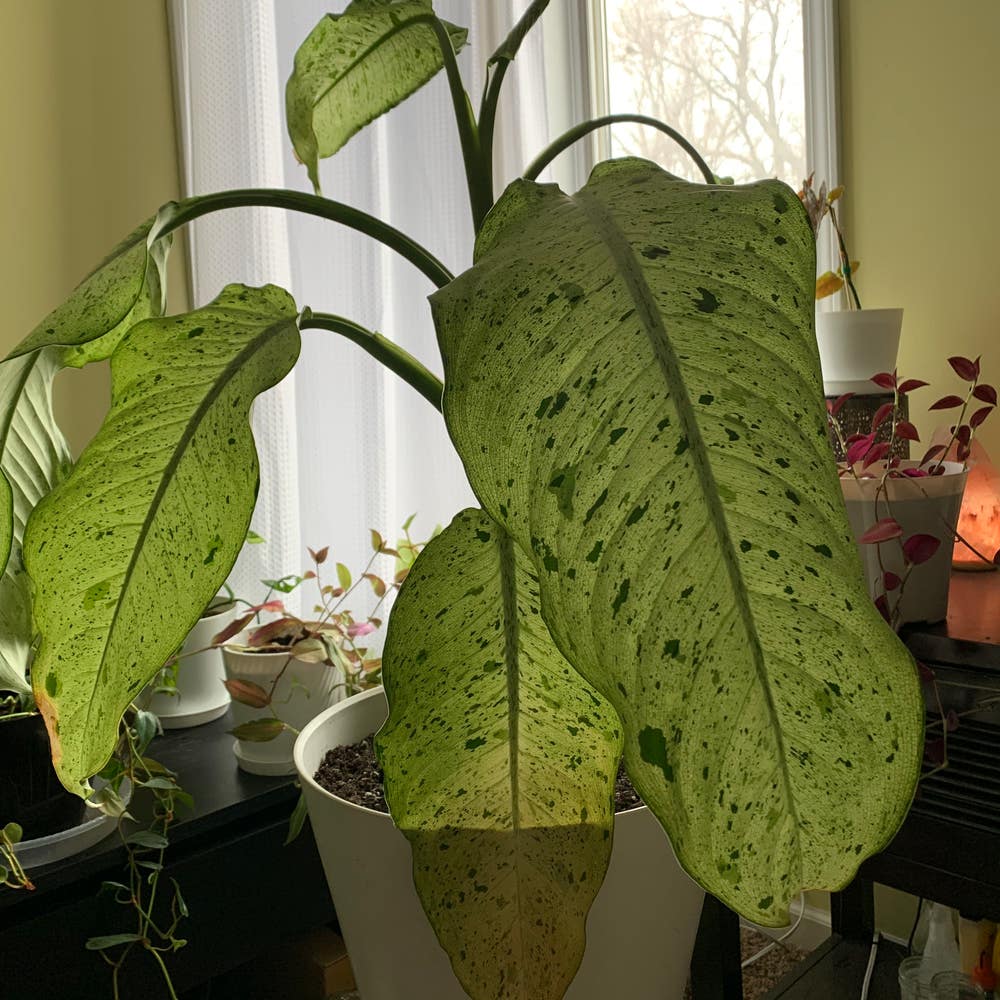
🦎 Dieffenbachia 'Camouflage': When to Plant
Dieffenbachia 'Camouflage'
By the Greg Editorial Team
Sep 29, 2024•5 min read
This article was created with the help of AI so we can cover more plants for you. May contain errors. See one? Report it here.
- 🌱 Plant Dieffenbachia 'Camouflage' after your area's last frost date for optimal growth.
- 🌡️ Ensure soil temperature is at least 65°F (18°C) before planting for best results.
- 📅 Check local resources for ideal planting months based on your region's climate.
Timing for Planting Dieffenbachia 'Camouflage'
🌨️ Importance of Frost Dates
Understanding frost dates is crucial for successful planting. These dates mark the last spring frost and the first fall frost in your area.
To ensure your Dieffenbachia 'Camouflage' thrives, plant it after the last frost date. You can find local frost dates by checking with agricultural extensions or gardening websites. The USDA Plant Hardiness Zone Map is also a valuable resource for this information.
🌡️ Soil Temperature Considerations
Soil temperature plays a significant role in plant health. The ideal minimum for planting Dieffenbachia is 65°F (18°C).
To check soil temperature, use a soil thermometer for accuracy. Additionally, applying mulch can help retain warmth in the soil. Warm soil is essential for faster germination and robust root development.
☀️ Day Length and Plant Growth
Day length significantly affects plant growth rates. For optimal growth, Dieffenbachia 'Camouflage' requires 12-14 hours of bright, indirect light.
Seasonal variations in day length can influence your planting decisions. Be mindful of these changes to ensure your plant receives the light it needs to flourish.
With these timing considerations in mind, you're well on your way to successfully planting Dieffenbachia 'Camouflage'. Next, let’s explore regional planting considerations to further refine your planting strategy.
Regional Planting Considerations
Ideal Planting Months for Key States 🌱
When it comes to planting Dieffenbachia 'Camouflage', timing is everything. Here’s a quick guide to the ideal months for various states:
Florida: March to June is prime time for planting. The warm climate allows for a longer growing season.
California: Aim for March to May. The mild temperatures create perfect conditions for healthy growth.
Texas: April to June is your window. The warmer soil temperatures will help your plants thrive.
New York: Late May to June is ideal. This timing ensures that the risk of frost has passed.
Colorado: June is the best month. The warmer weather will support the plant's growth.
Ohio: Late May to early June works well. This timing helps avoid any late frosts.
Understanding these regional variations can significantly enhance your planting success. By aligning your planting schedule with local conditions, you set the stage for a flourishing Dieffenbachia 'Camouflage'.
Next, let’s dive into seed starting techniques to maximize your planting efforts.
Seed Starting Techniques
Indoor Seed Starting vs. Direct Sowing 🌱
When it comes to starting your Dieffenbachia 'Camouflage', you have two main options: indoor seed starting and direct sowing.
Indoor seed starting offers a controlled environment, allowing for earlier growth. Aim to start your seeds 6-8 weeks before the last frost date in your area for the best results.
On the other hand, direct sowing is all about simplicity. This method reduces transplant shock, making it easier for your plants to thrive. You should wait until after the last frost date when soil temperatures are warm enough to support growth.
Timing Considerations for Seed Starting ⏰
If you choose indoor seed starting, follow these steps for success:
- Prepare seed trays filled with well-draining soil.
- Sow seeds at a depth of 1/4 inch.
- Maintain a temperature of at least 70°F (21°C) for optimal germination.
Expect germination to take about 2-4 weeks, giving you a head start on the growing season.
For direct sowing, ensure the soil temperature is at least 65°F (18°C) before you begin.
- Sow seeds at a depth of 1/4 inch.
- Water gently to avoid displacing the seeds.
By following these guidelines, you'll set your Dieffenbachia 'Camouflage' up for success, whether you start indoors or directly in the garden.
As you prepare for planting, keep in mind the importance of timing and conditions. This will ensure your plants flourish as they grow.
Factors Influencing Planting Success
🌍 Climate Zones and Their Impact
Understanding USDA Plant Hardiness Zones is crucial for successful planting. These zones categorize regions based on their minimum winter temperatures, guiding gardeners on what plants will thrive in their area.
Each zone has specific planting times and methods. For instance, a gardener in Zone 8 can start planting earlier than someone in Zone 5, thanks to milder winters.
📅 Seasonal Variations Across the US
Seasonal changes significantly affect planting schedules. In the southern states, you might be planting as early as March, while northern states may not be ready until late May.
Adapting to local climate conditions is essential for success. Keep an eye on weather patterns and adjust your planting plans accordingly to ensure your Dieffenbachia 'Camouflage' flourishes.
Comprehensive Planting Guide
🌱 Summary of Key Factors for Successful Planting
When planting Dieffenbachia 'Camouflage', understanding frost dates is crucial. These dates mark the last spring and first fall frost, guiding you to plant after the last frost for optimal growth.
Soil temperature is another critical factor. Aim for a minimum of 65°F (18°C) to ensure faster germination and robust root development.
🌍 Regional Considerations
Regional climate plays a significant role in your planting success. Knowing your local conditions helps you choose the right time and method for planting, ensuring your Dieffenbachia thrives.
☁️ Local Climate Knowledge
Stay informed about your area's specific climate patterns. This knowledge empowers you to adapt your planting schedule, maximizing your chances for a flourishing garden.
By keeping these key factors in mind—frost dates, soil temperature, and regional considerations—you set the stage for a successful planting experience. Next, let’s dive into seed starting techniques to further enhance your gardening journey.
⚠️ Safety First
This content is for general information and may contain errors, omissions, or outdated details. It is not medical, veterinary advice, or an endorsement of therapeutic claims.
Always consult a qualified healthcare professional before using any plant as food, medicine, or supplement.
Never eat any plant (or feed one to pets) without confirming its identity with at least two trusted sources.
If you suspect poisoning, call Poison Control (800) 222-1222, the Pet Poison Helpline (800) 213-6680, or your local emergency service immediately.
Spotted an error? Please report it here.
Plant your Dieffenbachia 'Camouflage' after the last frost 🌱 and let Greg guide you with tailored reminders and local insights for a thriving garden!