Dieffenbachia 'Camouflage': Not an Invasive Plant 🦎
Dieffenbachia 'Camouflage'
By the Greg Editorial Team
Sep 29, 2024•6 min read
This article was created with the help of AI so we can cover more plants for you. May contain errors. See one? Report it here.
- 🌱 Dieffenbachia 'Camouflage' is non-invasive, making it a safe garden choice.
- 🌿 Thrives in low light and requires regular pruning for optimal shape and health.
- 🐾 Non-toxic to pets, enhancing your garden's beauty without worry.
Plant Classification
Definition of Invasive Plants 🌱
Invasive plants are species that exhibit certain characteristics, making them problematic in new environments. They often grow and spread rapidly, displacing native flora and negatively impacting local ecosystems.
Key traits of invasive species include:
- Rapid Growth and Spread: They can quickly dominate an area.
- Displacement of Native Flora: They outcompete local plants for resources.
- Negative Ecosystem Impact: They disrupt the balance of local habitats.
Why This Plant is Not Invasive 🌼
Dieffenbachia 'Camouflage' stands out as a non-invasive option for gardens. It typically reaches a height of 3-5 feet and maintains a bushy growth habit.
- Growth Limitations: This plant does not spread aggressively and does not outcompete native plants.
- Ecological Compatibility: It coexists peacefully with other garden plants, enhancing rather than overwhelming the space.
Additionally, its air-purifying qualities contribute positively to indoor environments. This makes it a fantastic choice for those looking to improve air quality while enjoying a beautiful plant.
In summary, Dieffenbachia 'Camouflage' is a garden-friendly plant that supports local ecosystems without the invasive tendencies seen in many other species. This sets the stage for exploring its growth habits in the next section.
Growth Habits
Typical Growth Patterns in Gardens 🌱
Dieffenbachia 'Camouflage' exhibits a moderate growth rate, typically maintaining a bushy form. This makes it a fantastic choice for adding lush greenery to your space without overwhelming it.
Its adaptability shines in low to moderate light conditions, making it suitable for various garden settings. Whether indoors or out, this plant thrives where many others might struggle.
Natural Limits to Growth and Spread Potential 🚫
One of the standout features of Dieffenbachia 'Camouflage' is its limited spread. It doesn't produce aggressive runners or seeds, which means it won't take over your garden.
To keep it looking its best, regular pruning is essential. This helps maintain the desired shape and size, ensuring your plant remains a beautiful focal point without becoming unruly.
In summary, Dieffenbachia 'Camouflage' is an excellent choice for gardeners seeking a manageable, visually appealing plant. Its growth habits make it easy to incorporate into various designs, setting the stage for a harmonious garden environment.
Ecological Role
🌼 Benefits in Gardens and Ecosystems
Dieffenbachia 'Camouflage' is more than just a pretty face in your garden. Its air-purifying qualities significantly enhance indoor air quality, making your living space healthier.
The plant's unique foliage adds a splash of visual interest, transforming any area into a vibrant oasis. Its striking leaves can be a conversation starter, drawing attention and admiration.
🦋 Positive Interactions with Local Wildlife
This plant isn't just beneficial for humans; it also attracts beneficial insects. By providing a habitat for pollinators and other helpful species, Dieffenbachia 'Camouflage' plays a vital role in supporting local ecosystems.
Additionally, its non-toxic nature makes it safe for pets and wildlife. Unlike some houseplants that can be harmful, this plant allows you to enjoy greenery without worry.
Incorporating Dieffenbachia 'Camouflage' into your garden not only beautifies your space but also fosters a thriving environment for both people and wildlife. As we explore its garden management next, consider how this plant can fit seamlessly into your landscaping plans.
Garden Management
Incorporating into Garden Designs 🌿
Dieffenbachia 'Camouflage' thrives in shaded areas, making it a perfect choice for spots that lack direct sunlight. Its bushy growth habit allows it to serve as a stunning focal point in mixed plantings, adding texture and color to your garden.
Using this plant in containers offers versatility, allowing you to easily rearrange your garden layout. Whether indoors or outdoors, its adaptability makes it a favorite among gardeners.
Controlling Growth for Aesthetic Purposes ✂️
To keep your Dieffenbachia looking its best, regular pruning is essential. Trimming helps maintain its size and shape, ensuring it fits perfectly into your garden design.
Additionally, a monthly fertilization schedule during the growing season promotes healthy growth. This simple routine can significantly enhance the plant's vitality and visual appeal.
Incorporating these practices will not only elevate the aesthetics of your garden but also ensure that your Dieffenbachia remains a vibrant and integral part of your green space. As we explore its ecological role next, you'll see how this plant contributes positively to both gardens and local ecosystems.
Comparison to Other Plants
🌿 Similar Non-Invasive Plants
When considering non-invasive tropical houseplants, Dieffenbachia 'Camouflage' stands out alongside popular choices like Peace Lily and Pothos. All three plants share a reputation for being easy to care for and adaptable, making them excellent options for both novice and experienced gardeners.
Peace Lilies are known for their elegant white blooms, while Pothos offers vibrant trailing vines. In contrast, Dieffenbachia captivates with its unique camouflage-patterned leaves, adding a distinctive flair to any indoor space.
✨ Unique Qualities
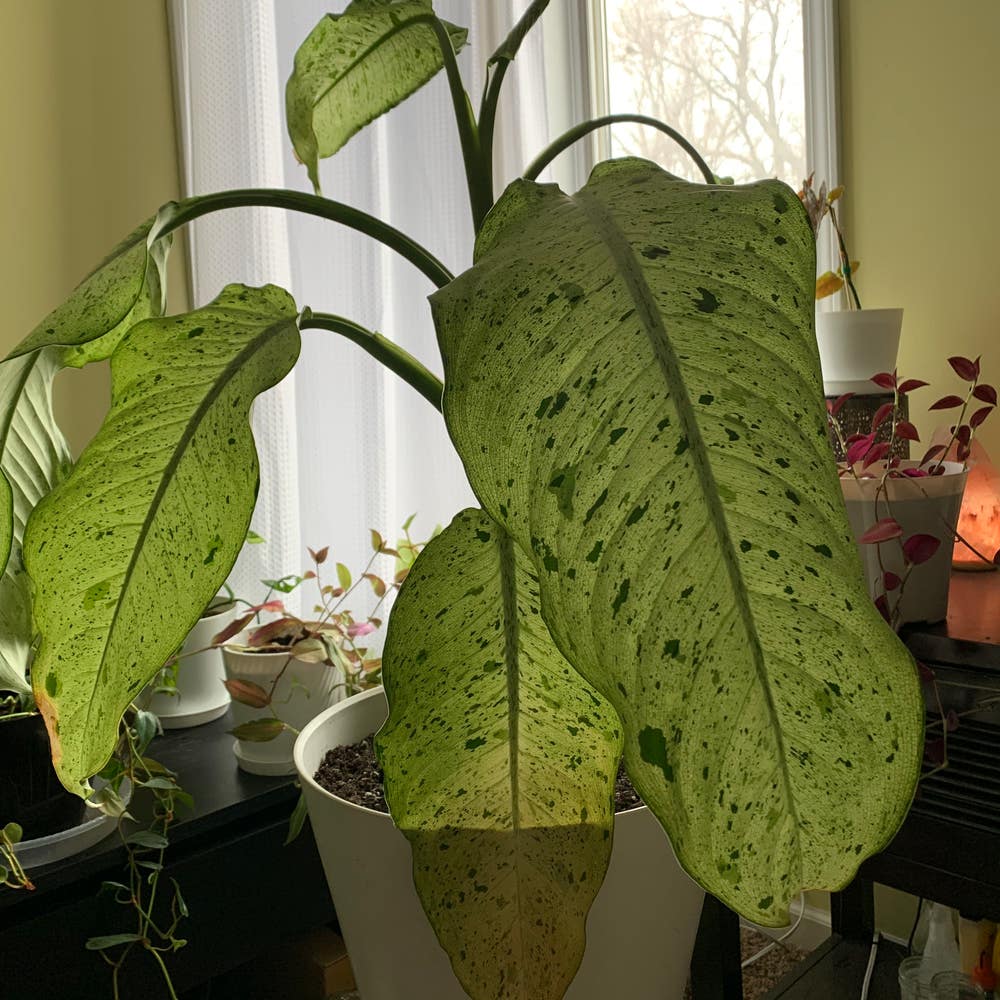
One of the most striking features of Dieffenbachia 'Camouflage' is its distinctive leaf pattern. The mottled greens and whites create a visual interest that can brighten up any corner of your home or garden.
Additionally, this plant excels in low-light conditions, making it more adaptable than some of its counterparts. While Peace Lilies and Pothos also tolerate shade, Dieffenbachia thrives in these environments, ensuring it remains a reliable choice for those less sunny spots.
In summary, Dieffenbachia 'Camouflage' not only shares similarities with other non-invasive plants but also boasts unique qualities that make it a standout choice for any garden enthusiast. As we explore its ecological role next, you'll see how this plant contributes positively to both aesthetics and the environment.
Legal and Environmental Considerations
📜 Relevant Classifications and Guidelines
When considering Dieffenbachia 'Camouflage', it's essential to be aware of local regulations regarding its cultivation. Some regions may have specific guidelines to ensure that non-invasive plants are promoted over potentially harmful species.
Sourcing your Dieffenbachia from reputable nurseries is crucial. This helps avoid invasive varieties that could disrupt local ecosystems and ensures you’re getting a healthy, well-cared-for plant.
🌱 Fit Within Sustainable Gardening Practices
Dieffenbachia 'Camouflage' plays a vital role in promoting biodiversity. Its non-invasive nature allows it to coexist harmoniously with local flora, supporting the ecosystem rather than competing against it.
Incorporating this plant into your garden design enhances aesthetics while maintaining ecological balance. Its unique foliage not only beautifies your space but also contributes positively to sustainable gardening practices.
As you plan your garden, consider how Dieffenbachia can fit into your vision. It’s not just a plant; it’s a step towards a more vibrant and sustainable environment.
This understanding of legal considerations and sustainable practices sets the stage for exploring how to effectively incorporate Dieffenbachia into your garden designs.
⚠️ Safety First
This content is for general information and may contain errors, omissions, or outdated details. It is not medical, veterinary advice, or an endorsement of therapeutic claims.
Always consult a qualified healthcare professional before using any plant as food, medicine, or supplement.
Never eat any plant (or feed one to pets) without confirming its identity with at least two trusted sources.
If you suspect poisoning, call Poison Control (800) 222-1222, the Pet Poison Helpline (800) 213-6680, or your local emergency service immediately.
Spotted an error? Please report it here.
Elevate your garden with the stunning Dieffenbachia 'Camouflage' 🌿, a non-invasive beauty that thrives effortlessly—let Greg guide you with tailored care tips for a flourishing plant!