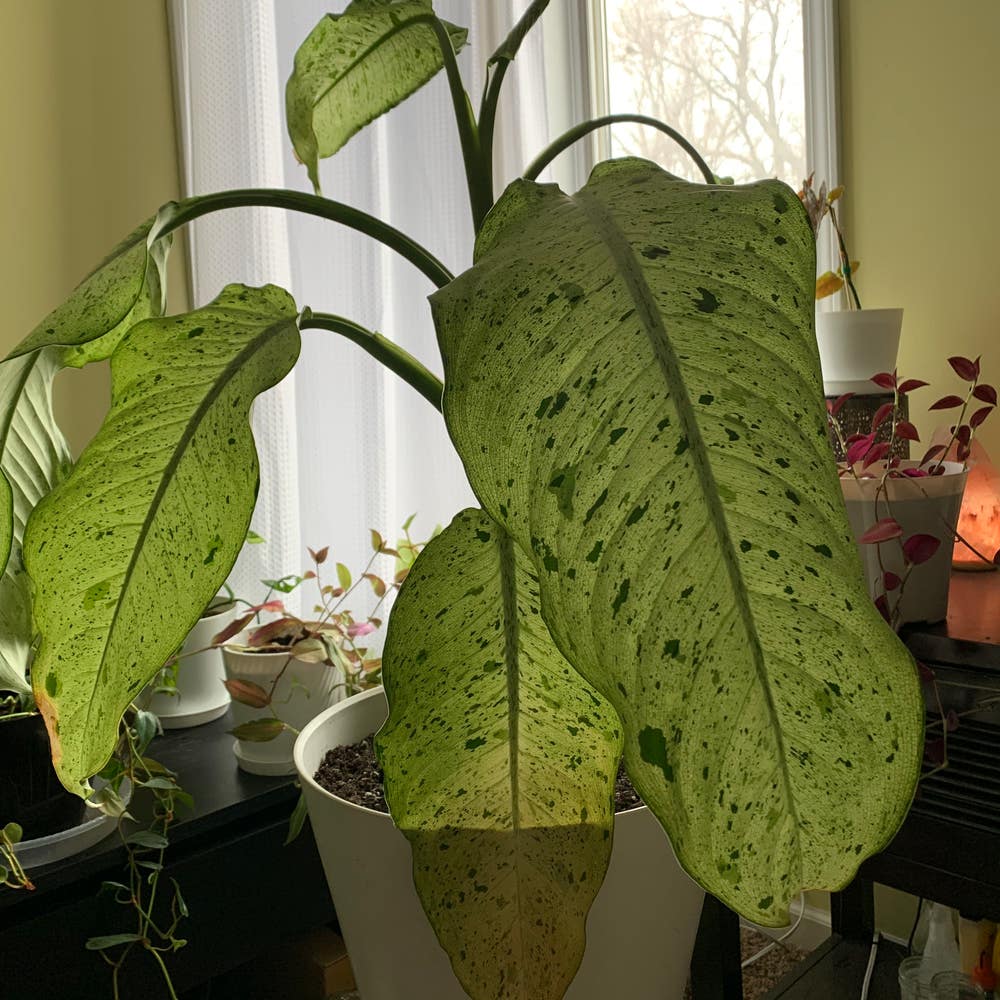
🐞 What Are The Bugs on My Dieffenbachia 'Camouflage'?
Dieffenbachia 'Camouflage'
By the Greg Editorial Team
Jun 18, 2024•3 min read
This article was created with the help of AI so we can cover more plants for you. May contain errors. See one? Report it here.
- Discoloration, holes, leaf drop signal a bug problem on Dieffenbachia 'Camouflage'.
- Early morning/evening checks catch active bugs; quarantine new plants.
- Optimal conditions deter pests: good air circulation, indirect light, less watering.
Spotting Trouble: Signs Your Dieffenbachia 'Camouflage' Has Unwanted Guests
🚨 Visible Damage
Discoloration, holes, and leaf drop are the SOS signals from your Dieffenbachia 'Camouflage'. These visual cues scream "bug invasion" and demand your immediate attention.
🚩 Unusual Plant Behavior
A sudden shift in growth or an uncharacteristic wilting stance are red flags. Your plant's trying to tell you that it's under attack from pests, so don't ignore these behavioral changes.
🕵️ Spotting the Culprits
To catch these party crashers, timing is everything. Inspect your plant during the early morning or late evening when bugs are most active. Look under leaves and near stems for any signs of the tiny invaders.

Meet the Pests: Common Bugs on Dieffenbachia 'Camouflage'
🕷️ Spider Mites
Signs and Symptoms
Tiny webbing across your plant's leaves is a dead giveaway: spider mites have made themselves at home. These pests are minuscule but mighty, causing leaves to look dull and drained of color.
Effective Remedies
Blast them with water or introduce predatory insects like ladybugs. For severe cases, miticides or neem oil can be effective. Remember, consistent treatment is key to victory.
🛡️ Scale Insects
Identifying Scale
Look for small, bumpy shields on stems and leaves. These pests cling on, causing yellowing and leaf drop. They're tough to spot, so inspect regularly.
Your Options Against Scale
Manually remove them with a cotton swab dipped in rubbing alcohol. For a more hands-off approach, insecticidal soaps or horticultural oils can help. Persistence pays off when battling scale.
🦟 Fungus Gnats and Fruit Flies
Recognizing and Remedying
A cloud of tiny flies when you water? You've got fungus gnats or fruit flies. They're more annoying than harmful, but they signal overwatering.
Cultural Practices
Dry out the topsoil between waterings to discourage these pests. Sticky traps can catch adults, and beneficial nematodes in the soil target the larvae. Keep the soil on the drier side to prevent a comeback.
🐞 Mealybugs
Spotting Mealybugs
These pests look like tiny cotton balls tucked into your plant's nooks. They cause stunted growth and can quickly become a plague.
Your Arsenal Against Mealybugs
Rubbing alcohol is a mealybug's nemesis. Apply it with a cotton swab for precision. Insecticidal soaps and neem oil are also effective, especially when applied thoroughly.
🦗 Thrips
Identifying Thrips Damage
Thrips leave behind a telltale silvery trail on leaves. They're stealthy and often go unnoticed until the damage is done.
Thrip Thrashers
Blue sticky traps attract and capture thrips. For a more aggressive approach, use spinosad or other appropriate insecticides. Regular monitoring is crucial to catch these pests early.

Proactive Plant Parenting: Preventative Measures for a Bug-Free Dieffenbachia
🦠 Quarantine New Plants
Isolation isn't just for pandemics; it's a green thumb's best defense. New plants could be smuggling in pests, so keep them apart from your Dieffenbachia 'Camouflage' for at least a few weeks. Think of it as a plant probation period.
👀 Regular Inspections
Vigilance is key. Make it a habit to scrutinize your plant for freeloaders. Check under leaves and along stems; early detection can save your plant from a full-scale bug invasion.
🌿 Optimal Environmental Conditions
Create a hostile environment for pests, not your plant. Ensure good air circulation, plenty of indirect light, and avoid overwatering. A happy plant is less likely to become a bug buffet.

⚠️ Safety First
This content is for general information and may contain errors, omissions, or outdated details. It is not medical, veterinary advice, or an endorsement of therapeutic claims.
Always consult a qualified healthcare professional before using any plant as food, medicine, or supplement.
Never eat any plant (or feed one to pets) without confirming its identity with at least two trusted sources.
If you suspect poisoning, call Poison Control (800) 222-1222, the Pet Poison Helpline (800) 213-6680, or your local emergency service immediately.
Spotted an error? Please report it here.
Banish pests from your Dieffenbachia 'Camouflage' with Greg's custom reminders 🕵️♂️ for timely inspections and tailored care tips to create an inhospitable haven for those pesky invaders.