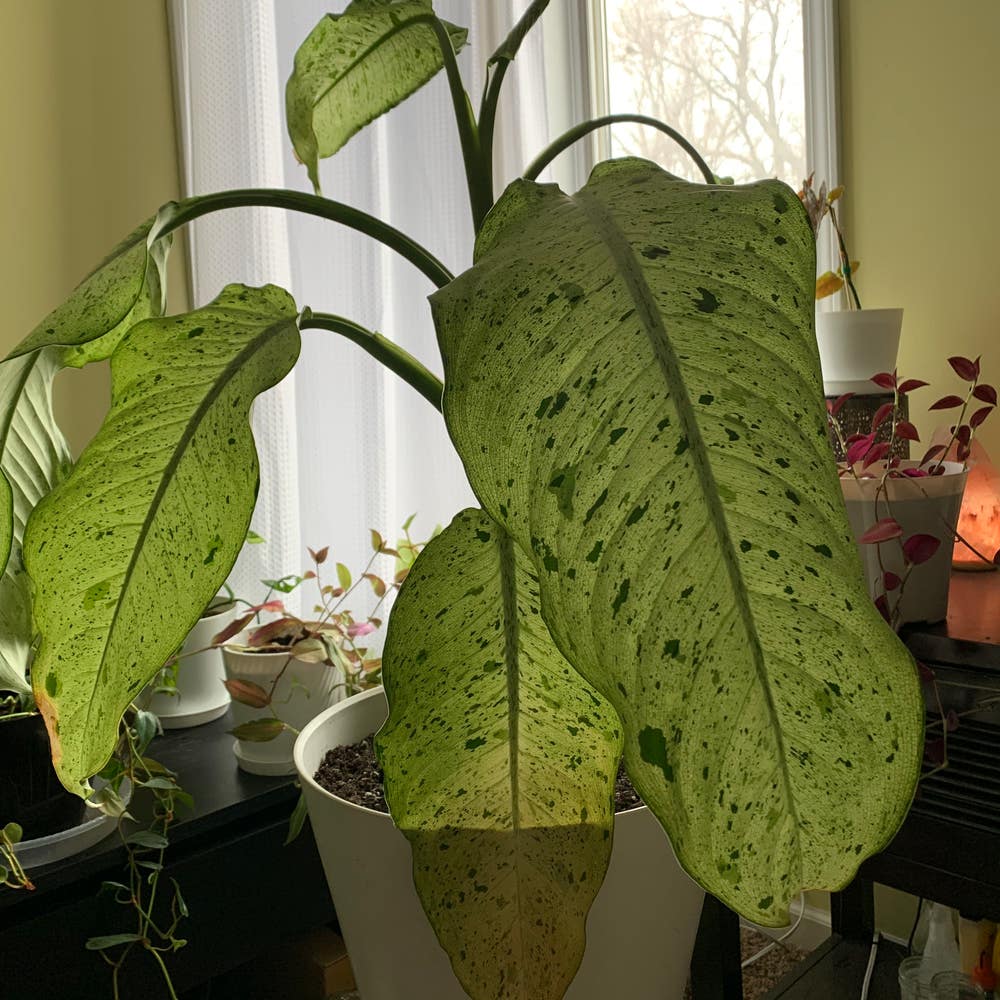
Identifying What is Eating Your Dieffenbachia 'Camouflage' 🐛
Dieffenbachia 'Camouflage'
By the Greg Editorial Team
Sep 29, 2024•6 min read
This article was created with the help of AI so we can cover more plants for you. May contain errors. See one? Report it here.
- 🐾 Identify herbivores like deer and rabbits that threaten your Dieffenbachia 'Camouflage'.
- 🔍 Look for signs of damage, including chewed leaves and droppings, to assess threats.
- 🌱 Use deterrents like repellents and barriers to protect your plant from herbivores.
Common Herbivores Affecting Dieffenbachia
🦌 Deer
Signs of presence and damage
Look for hoof prints in muddy areas, which indicate deer activity. You may also notice leaves stripped from the lower branches, a clear sign that these herbivores are munching on your Dieffenbachia.
Impact on plant health
Deer can be quite harmful, often decimating foliage and stunting growth. Their browsing can leave your plant looking bare and unhealthy.
Deterrent methods
To keep deer at bay, consider using commercial deer repellents. Alternatively, planting strong-smelling herbs nearby can act as a natural deterrent.
🐇 Rabbits
Signs of presence and damage
Rabbits leave small, round droppings near the plant, which can be a giveaway. You might also see clean cuts on the edges of leaves, indicating they’ve been snacking.
Impact on plant health
These little critters can cause significant leaf loss, which is generally harmful to your plant's vitality. A few rabbits can quickly turn your lush Dieffenbachia into a sad sight.
Deterrent methods
Bitter-tasting sprays can help deter rabbits effectively. For a more organic approach, consider fencing or planting rabbit-resistant plants around your Dieffenbachia.
🐿️ Squirrels
Signs of presence and damage
Keep an eye out for scratching marks on the soil around the base of your plant. Chewed leaves and stems are also telltale signs that squirrels are getting too cozy.
Impact on plant health
Squirrels can weaken your plant, making it more susceptible to disease. Their nibbling can lead to long-term health issues for your Dieffenbachia.
Deterrent methods
Capsaicin-based sprays can be effective in keeping squirrels away. Installing squirrel-proof feeders can also divert their attention from your plants.
🐦 Birds
Signs of presence and damage
Peck marks on leaves are a common sign of bird activity. Additionally, nesting nearby can indicate that your Dieffenbachia has attracted feathered friends.
Impact on plant health
Birds can cause leaf damage and stress, which is generally harmful to your plant. While they may seem harmless, their presence can lead to significant issues.
Deterrent methods
Using reflective tape or scare devices can help deter birds. Alternatively, planting bird-friendly plants away from your Dieffenbachia can keep them occupied elsewhere.
🐭 Rodents and Groundhogs
Signs of presence and damage
Look for tunnels or burrows near your plant, which indicate rodent activity. Chewed stems and leaves are also signs that these pests are causing trouble.
Impact on plant health
Rodents and groundhogs can cause root damage and plant instability, which is generally harmful. Their burrowing can compromise the integrity of your Dieffenbachia.
Deterrent methods
Rodent bait stations can be effective but require careful handling. For a more organic solution, consider using peppermint oil or traps, and fencing can help keep groundhogs away.
By understanding the common herbivores that affect Dieffenbachia, you can take proactive steps to protect your plant. Next, let’s explore the beneficial animals that can enhance your garden ecosystem.
Beneficial Animals and Ecosystem Roles
🐝 Pollinators Attracted to Dieffenbachia
Dieffenbachia 'Camouflage' isn't just a feast for herbivores; it also attracts beneficial animals. Bees and butterflies are drawn to its lush foliage, seeking nectar and contributing to the pollination process.
🌱 Positive Impacts on the Garden Ecosystem
These pollinators play a crucial role in supporting other plants in your garden. By enhancing pollination, they help increase fruit and seed production, leading to a more vibrant ecosystem.
🦗 Natural Pest Control
In addition to pollinators, predatory insects may also be attracted to your Dieffenbachia. These beneficial insects help control pest populations, reducing the need for chemical interventions and promoting a healthier garden environment.
⚖️ Encouraging a Balanced Ecosystem
By fostering an environment that attracts these beneficial animals, you create a balanced ecosystem. This approach not only supports your Dieffenbachia but also enhances the overall health of your garden.
Incorporating these beneficial animals into your gardening strategy can lead to a thriving, resilient landscape. Next, we'll explore general strategies for protecting your Dieffenbachia from harmful herbivores while maintaining this delicate balance.
General Strategies for Protection
🛡️ Preventive Measures
Keeping a watchful eye on your Dieffenbachia 'Camouflage' is crucial. Regular monitoring for signs of animal presence can help you catch potential threats early.
Using barriers like fencing or netting can also be effective. These physical deterrents create a protective shield around your plants, making it harder for herbivores to access them.
⚠️ Reactive Solutions
If you notice damage, act quickly. Immediate removal of damaged plant parts can prevent further harm and promote healthier growth.
Applying deterrents as needed is another smart move. Whether you choose chemical sprays or organic options, timely action can help safeguard your plant.
🌱 Balancing Ecosystem Health
It's essential to strike a balance in your garden. Encourage beneficial wildlife, such as pollinators, while finding ways to deter harmful herbivores.
Creating a diverse ecosystem not only protects your Dieffenbachia but also enhances the overall health of your garden. This approach fosters a thriving environment where both plants and animals can coexist harmoniously.
By implementing these strategies, you can enjoy a flourishing Dieffenbachia while maintaining a vibrant garden ecosystem. Next, let’s explore the seasonal considerations that can affect animal attraction and plant vulnerability.
Seasonal Considerations
🦌 Variations in Animal Attraction
As the seasons change, so does the behavior of herbivores. In spring and early summer, you'll notice a spike in activity as these animals emerge from their winter slumber, eager to munch on fresh foliage.
During this time, your Dieffenbachia 'Camouflage' is particularly vulnerable. Young shoots are tender and enticing, making them prime targets for hungry critters. Keeping an eye on your plants during these growth spurts is crucial for their health.
⏰ Timing of Plant Vulnerability
Understanding when your Dieffenbachia is most at risk can help you take proactive measures. The early growth phase is when the plant is developing new leaves, which are softer and more appealing to herbivores.
By monitoring your plants closely during these critical periods, you can implement deterrent strategies before damage occurs. This vigilance can make all the difference in maintaining a thriving garden.
Toxicity and Safety
🐾 Toxic Effects on Animals
Dieffenbachia 'Camouflage' contains calcium oxalate crystals, which can cause irritation if ingested. Symptoms include oral irritation, swelling, and discomfort, making it crucial to handle this plant with care.
🦙 Implications for Herbivores
While generally harmful to animals, some herbivores may still attempt to consume it. Educating gardeners about the plant's toxicity is essential to prevent accidental ingestion and ensure the safety of curious pets and wildlife.
Understanding these toxic effects not only helps protect animals but also fosters a more responsible gardening approach. By being aware of Dieffenbachia's risks, you can create a safer environment for both your plants and the creatures around them.
As we move forward, let's explore how to balance protecting your Dieffenbachia with encouraging beneficial wildlife in your garden.
⚠️ Safety First
This content is for general information and may contain errors, omissions, or outdated details. It is not medical, veterinary advice, or an endorsement of therapeutic claims.
Always consult a qualified healthcare professional before using any plant as food, medicine, or supplement.
Never eat any plant (or feed one to pets) without confirming its identity with at least two trusted sources.
If you suspect poisoning, call Poison Control (800) 222-1222, the Pet Poison Helpline (800) 213-6680, or your local emergency service immediately.
Spotted an error? Please report it here.
Safeguard your Dieffenbachia 'Camouflage' from herbivores and promote its vitality 🌱 with Greg's tailored care reminders and expert tips for a thriving garden ecosystem!