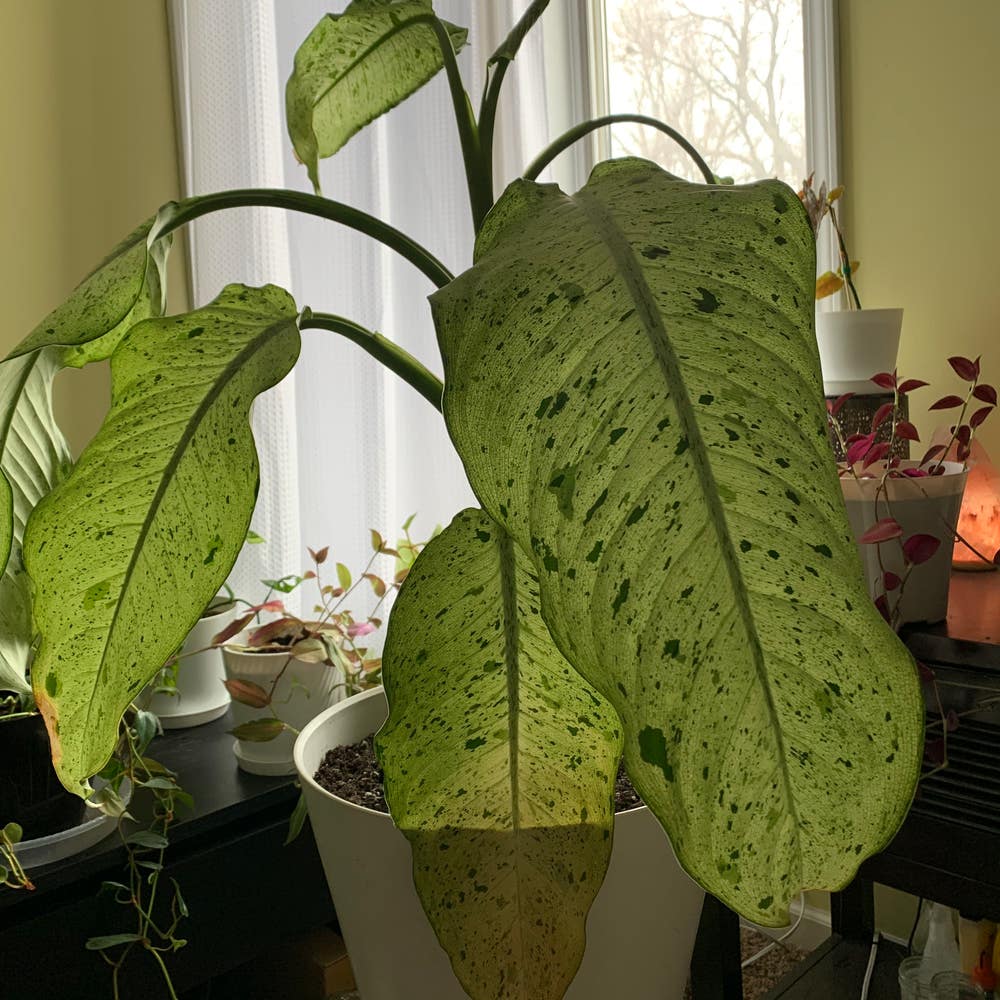
9 Perfect Pot Styles for Dieffenbachia 'Camouflage' 🪴
Dieffenbachia 'Camouflage'
By the Greg Editorial Team
Sep 29, 2024•5 min read
This article was created with the help of AI so we can cover more plants for you. May contain errors. See one? Report it here.
- 🌱 Start seedlings in 4-6 inch pots for optimal root establishment.
- 🪴 Repot every 1-2 years to prevent stunted growth and root crowding.
- 💧 Ensure proper drainage with multiple holes to avoid root rot.
Pot Sizes for Different Growth Stages
🌱 Recommended Sizes for Seedlings
For your Dieffenbachia 'Camouflage' seedlings, an ideal container size is between 4 to 6 inches in diameter. Starting small is crucial; it encourages root establishment and helps the plant thrive.
As your seedlings grow, you'll want to transition them to larger pots. This gradual increase in size supports healthy development and prevents root crowding.
🌳 Ideal Sizes for Mature Plants
Once your Dieffenbachia matures, aim for a container size of 10 to 14 inches in diameter. This size allows ample space for root expansion, which is essential for a robust plant.
When selecting a pot, consider both height and width. A balanced approach ensures stability and supports the plant's growth pattern.
🔄 Signs That Indicate It's Time to Repot
Keep an eye out for signs that your plant needs repotting. If you notice roots emerging from the drainage holes, it's a clear indicator that your plant is root-bound.
Other signs include stunted growth despite proper care and soil that dries out too quickly or pools on top. Addressing these issues promptly will keep your Dieffenbachia healthy and thriving.
Ideal Pot Materials
Benefits of Clay Pots 🌱
Clay pots are fantastic for Dieffenbachia 'Camouflage' due to their breathability. This allows air to circulate around the roots, promoting healthy growth and moisture regulation.
Their natural aesthetic beautifully complements the plant's variegated leaves, adding a touch of elegance to any space. Plus, the weight of clay pots provides stability, preventing tipping as your plant grows.
Advantages of Plastic Pots ♻️
Plastic pots are a popular choice for many plant enthusiasts. They are lightweight and easy to move, making them ideal for rearranging your plant display.
Cost-effectiveness is another significant advantage, as they come in various styles to suit any decor. Additionally, plastic pots retain moisture well, which is beneficial for tropical plants like Dieffenbachia.
Comparison of Other Materials 🏺
Ceramic pots offer a blend of aesthetic appeal and moisture retention, making them another excellent option. Their decorative designs can elevate your plant's presentation.
On the other hand, metal pots provide a modern look but may pose heat retention issues, potentially harming your plant. Always consider insulation and drainage capabilities when selecting materials for your pots.
Choosing the right pot material is crucial for the health and growth of your Dieffenbachia. Each option has its unique benefits, so weigh your choices carefully to ensure your plant thrives.
Next, let’s explore the essential drainage considerations to keep your plant healthy and happy.
Drainage Considerations
Importance of Drainage Holes 🌊
Drainage holes are essential for preventing root rot in your Dieffenbachia. They allow excess water to escape, ensuring that the roots don't sit in soggy soil.
For optimal health, aim for at least three to four holes, each about 0.5 inches in diameter. This setup helps maintain the right moisture levels, promoting robust growth.
Ensuring Proper Drainage 🚰
Using a well-draining potting mix is crucial for your plant's health. Look for mixes specifically designed for tropical plants, as they provide the right balance of moisture retention and drainage.
Consider adding materials like perlite or gravel to enhance drainage further. These additions create air pockets in the soil, allowing water to flow freely.
Elevating your pots using pot feet or trays can also improve drainage. This simple step prevents water from pooling at the bottom, keeping your plant's roots happy.
Common Drainage Issues and Solutions ⚠️
Watch for signs of poor drainage, such as water pooling on the surface or yellowing leaves. These indicators suggest that your plant may be struggling with excess moisture.
If you notice these symptoms, consider adjusting your potting mix to include more drainage materials. Adding a drainage layer at the bottom of the pot can also help.
Regularly monitoring moisture levels is key to maintaining a healthy plant. Use your finger to check the soil; if it feels soggy, it’s time to reassess your drainage strategy.
With proper drainage, your Dieffenbachia will thrive, setting the stage for a successful repotting experience. Next, let’s explore the best practices for repotting your plant to ensure it continues to flourish.
Repotting Guidelines
🕒 When to Repot
Repotting your Dieffenbachia 'Camouflage' is essential for its health. Aim to repot every 1-2 years, ideally in spring or early summer when the plant is actively growing.
Look for signs that indicate it's time to repot. If you notice roots emerging from the drainage holes or stunted growth despite proper care, it’s a clear signal. Additionally, if the soil dries out too quickly or water pools on top, it’s time for a new pot.
📋 Step-by-Step Guide to Repotting
- Prepare the new pot with drainage holes and a suitable potting mix.
- Carefully remove the plant from its current pot, taking care not to damage the roots.
- Inspect the roots and trim any damaged or overly long ones.
- Place the plant in the new pot and fill with fresh soil, ensuring it’s secure.
- Water thoroughly and position the pot in appropriate light conditions for optimal growth.
🪴 Choosing the Right Pot During Repotting
Selecting the right pot is crucial for your plant's future. Consider size, material, and drainage to ensure a healthy environment.
Choose a pot that accommodates future growth, allowing enough space for the roots to expand. Don’t forget about aesthetics—select a pot that complements your existing decor, enhancing the beauty of your Dieffenbachia.
With these guidelines, your Dieffenbachia will thrive in its new home, setting the stage for vibrant growth. Next, let’s explore the ideal pot materials that can further enhance your plant’s environment.
⚠️ Safety First
This content is for general information and may contain errors, omissions, or outdated details. It is not medical, veterinary advice, or an endorsement of therapeutic claims.
Always consult a qualified healthcare professional before using any plant as food, medicine, or supplement.
Never eat any plant (or feed one to pets) without confirming its identity with at least two trusted sources.
If you suspect poisoning, call Poison Control (800) 222-1222, the Pet Poison Helpline (800) 213-6680, or your local emergency service immediately.
Spotted an error? Please report it here.
Choose the perfect pot for your Dieffenbachia 'Camouflage' 🌿 and let Greg guide you with tailored care tips and reminders to keep your plant thriving!