🐝 How and When to Pollinate Dieffenbachia 'Camouflage'
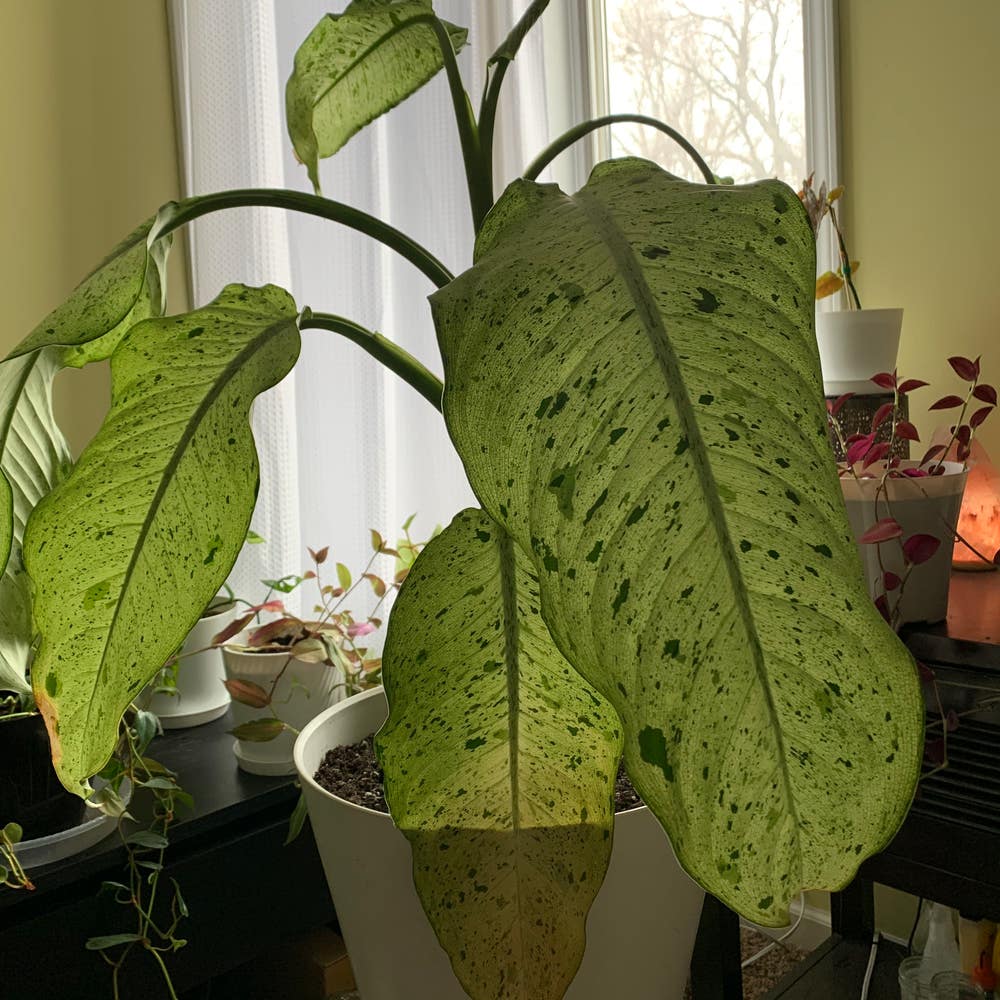
Dieffenbachia 'Camouflage'
By the Greg Editorial Team
Sep 29, 2024•5 min read
This article was created with the help of AI so we can cover more plants for you. May contain errors. See one? Report it here.
- 🌸 Dieffenbachia 'Camouflage' can self-pollinate, ensuring reproduction without external help.
- 🐝 Bees and butterflies are key pollinators, attracted by the plant's sweet fragrance and colors.
- 🌿 Hand pollination boosts success; best done early morning for optimal receptivity.
Flower Structure
Description of Flower Characteristics 🌸
Dieffenbachia 'Camouflage' features a unique flower structure that captivates the eye. The flowers consist of a spadix, which is a thick, fleshy spike surrounded by a protective spathe, resembling a cone.
The color palette is typically white or cream, often with subtle green hues that blend beautifully. Flowers are densely packed on the spadix, offering a striking visual display while the spathe shields them from environmental elements.
Role in Pollination 🐝
The flower's design plays a crucial role in its pollination strategy. The close proximity of stamens and pistils allows for self-pollination, making it easier for the plant to reproduce without relying on external factors.
However, the structure also attracts various pollinators, promoting cross-pollination. This genetic mixing enhances diversity, which is vital for the plant's resilience and adaptability in changing environments.
Pollination Process
🌱 Self-Pollination Mechanism
Dieffenbachia 'Camouflage' has a fascinating ability to self-pollinate. The close proximity of its stamens and pistils allows pollen to move naturally within the flower, ensuring reproduction even in the absence of external pollinators.
While self-pollination is effective, additional methods can enhance seed viability. This can lead to stronger plants and a more diverse genetic pool, which is crucial for resilience.
🐝 Identification of Primary Pollinators
Understanding the primary pollinators of Dieffenbachia 'Camouflage' can help you appreciate its ecosystem.
- Bees: These buzzing buddies are attracted by the flower's structure and sweet scent.
- Butterflies: Their love for nectar and vibrant visuals makes them frequent visitors.
- Moths: Active at night, these creatures are drawn in by the flower's alluring fragrance.
🎯 Attraction Mechanisms
The flower employs several strategies to attract its pollinators.
- Scent: A sweet fragrance wafts through the air, inviting pollinators to explore.
- Visual Cues: Bright colors and unique shapes make the flowers stand out, ensuring they catch the eye of passing insects.
By understanding these mechanisms, you can create an environment that supports both the plant and its pollinators. This knowledge sets the stage for effective hand pollination techniques, which we’ll explore next.
Hand Pollination Techniques
Hand pollination can significantly enhance the reproductive success of Dieffenbachia 'Camouflage'. Here’s how to do it effectively.
Step-by-Step Instructions
Identify Male and Female Flower Parts: Start by locating the spadix. Distinguish between the anthers, which are the male parts, and the stigma, the female part.
Collecting Pollen: Use a small brush or cotton swab to gently gather pollen from the anthers. This step is crucial for ensuring you have enough pollen for effective transfer.
Transferring Pollen: Carefully apply the collected pollen to the stigma of the female flower. Make sure to cover the stigma well for the best chance of fertilization.
Timing: Perform this process during the early morning when the flowers are most receptive. This timing maximizes the likelihood of successful pollination.
🌱 Ensuring Successful Fertilization
After pollination, monitor for signs of success. Look for swelling at the base of the flower, which indicates that fruit development is underway. This is a rewarding sign that your efforts have paid off!
By following these steps, you can help ensure that your Dieffenbachia 'Camouflage' thrives and produces healthy seeds. Next, let’s explore how to create a pollinator-friendly environment to support these beautiful plants.
Supporting Pollinators
🌼 Creating a Pollinator-Friendly Environment
To support pollinators, start by incorporating a variety of flowering plants in your garden. This diversity attracts different species, ensuring a vibrant ecosystem.
Providing shelter and nesting sites is equally important. Consider adding bee hotels or native plant patches to create safe havens for these essential creatures.
🌱 Companion Plants
Certain plants can enhance your garden's appeal to pollinators.
Marigolds: These bright flowers not only attract beneficial insects but also deter pests, making them a win-win.
Lavender: Its fragrant blooms provide nectar for bees and butterflies, creating a sensory delight in your garden.
Coneflowers: These hardy plants offer a rich source of pollen and nectar, making them a favorite among various pollinators.
By integrating these strategies, you can cultivate a thriving environment that supports pollinators and enhances the beauty of your garden.
As you create this welcoming space, consider how these efforts contribute to the broader ecosystem, paving the way for a healthier planet.
Pollination Challenges
Common Obstacles 🌍
Pollination success for Dieffenbachia 'Camouflage' can be hindered by environmental factors. Temperature fluctuations and humidity levels play a crucial role; too much heat or dryness can deter pollinators and affect flower receptivity.
Urbanization and habitat loss also pose significant challenges. As natural spaces shrink, the populations of essential pollinators, like bees and butterflies, decline, making it harder for plants to reproduce effectively.
Solutions 💡
To combat these challenges, maintaining optimal growing conditions is key. Warm temperatures and high humidity levels can encourage flowering and attract pollinators.
Additionally, creating a pollinator-friendly environment is essential. Incorporating companion plants and providing resources, like bee hotels, can significantly enhance local pollinator populations and improve pollination success for your Dieffenbachia.
By addressing these challenges, you can foster a thriving ecosystem that benefits both your plants and the pollinators they rely on.
⚠️ Safety First
This content is for general information and may contain errors, omissions, or outdated details. It is not medical, veterinary advice, or an endorsement of therapeutic claims.
Always consult a qualified healthcare professional before using any plant as food, medicine, or supplement.
Never eat any plant (or feed one to pets) without confirming its identity with at least two trusted sources.
If you suspect poisoning, call Poison Control (800) 222-1222, the Pet Poison Helpline (800) 213-6680, or your local emergency service immediately.
Spotted an error? Please report it here.
Pollinating your Dieffenbachia 'Camouflage' can be rewarding 🌱, and with Greg's expert tips and reminders, you'll create a thriving garden that attracts all the right pollinators!