Identifying What is Eating Your Pachyphytum 'Starburst' 🐛
Pachyphytum 'Starburst'
By the Greg Editorial Team
Sep 30, 2024•6 min read
This article was created with the help of AI so we can cover more plants for you. May contain errors. See one? Report it here.
Safeguard your beautiful Pachyphytum 'Starburst' 🌱 from hungry herbivores while boosting your garden's health!
- 🌱 Pachyphytum 'Starburst' attracts herbivores like deer, rabbits, and squirrels.
- 🐾 Signs of damage include hoof prints, droppings, and peck marks on leaves.
- 🚫 Deterrents like repellents and barriers can protect your succulent from herbivores.
Description and Appeal of Pachyphytum 'Starburst'
🌿 Appearance and Characteristics
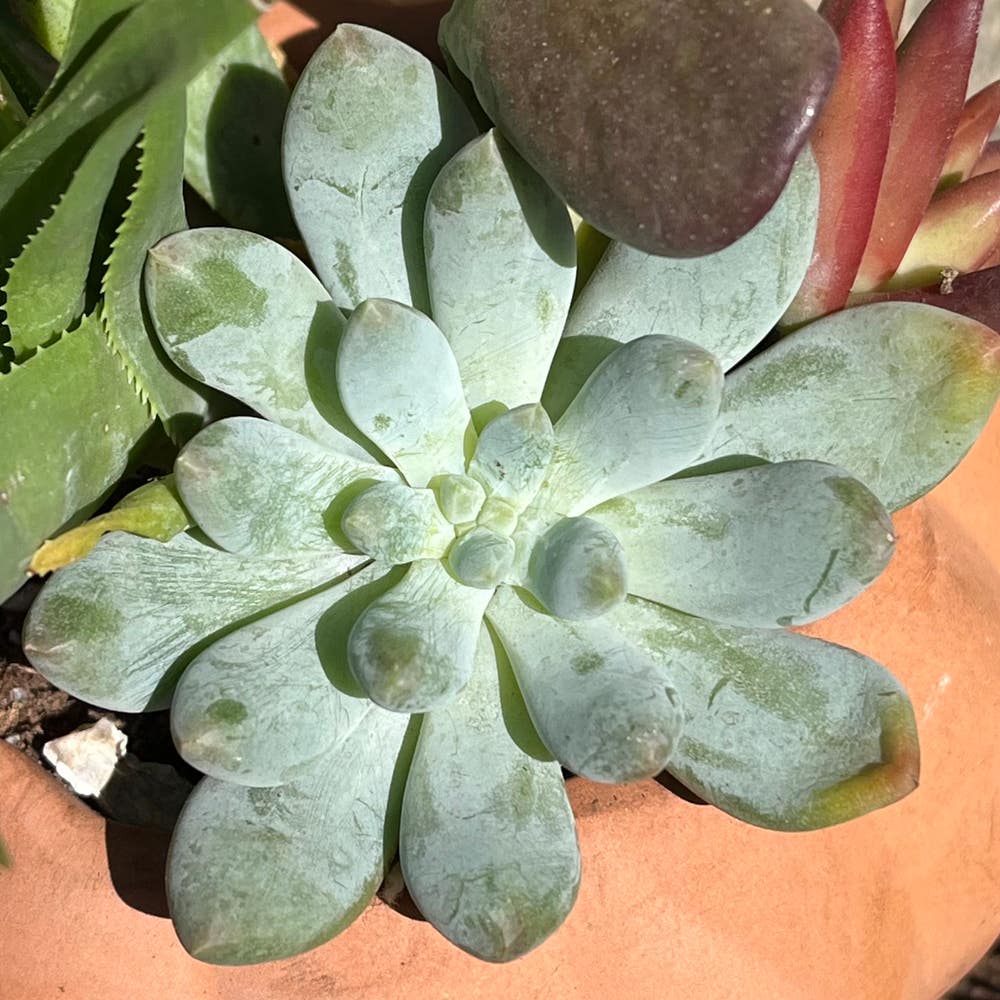
Pachyphytum 'Starburst' is a stunning succulent known for its rosettes of thick, fleshy leaves. The bluish-green foliage, accented with delightful pink tips, creates a striking visual appeal.
🌸 Seasonal Blooms
This plant also produces attractive flowers that bloom seasonally, adding a burst of color to any garden. Their vibrant hues and unique shapes make them a favorite among succulent enthusiasts.
🐾 Most Appealing Parts to Animals
Herbivores are particularly drawn to the young shoots and leaves of Pachyphytum 'Starburst.' These tender, moisture-rich parts are irresistible snacks for various animals.
🌼 Fragrant Flowers
The bright and fragrant flowers further attract herbivores, making them a target for hungry visitors. This dual appeal can lead to challenges in protecting your beloved plant from potential damage.
In the next section, we will explore the common herbivores that may affect your Pachyphytum 'Starburst' and how to identify their presence.
Common Herbivores Affecting Pachyphytum 'Starburst'
🦌 Deer
Signs of presence and damage
Look for hoof prints in the soil, which indicate deer have been nearby. You may also notice leaves stripped from the lower parts of your Pachyphytum 'Starburst.'
Impact on the plant
Deer can be quite harmful, often leading to significant damage to your plant. Their browsing habits can stunt growth and affect overall health.
Deterrent methods
To keep deer at bay, consider using commercial deer repellents. Alternatively, planting strong-smelling herbs nearby can act as a natural deterrent.
🐇 Rabbits
Signs of presence and damage
Rabbits leave small, round droppings near the plant, and you might see clean cuts on the edges of leaves. These signs indicate they’ve been munching on your succulent.
Impact on the plant
Rabbits can decimate young plants, making them a serious threat. Their appetite for tender shoots can quickly lead to a bare plant.
Deterrent methods
Bitter-tasting sprays can deter rabbits effectively. You can also use fencing or plant rabbit-resistant species as barriers.
🐿️ Squirrels
Signs of presence and damage
Look for scratching marks on the soil and missing leaves or flowers with bite marks. These signs suggest squirrels have taken an interest in your plant.
Impact on the plant
Squirrels can cause significant damage, often uprooting or destroying parts of the plant. Their playful nature can lead to unexpected destruction.
Deterrent methods
Capsaicin-based sprays can keep squirrels away. Installing squirrel-proof feeders nearby can also divert their attention.
🐦 Birds
Signs of presence and damage
Peck marks on leaves or flowers are clear indicators of bird activity. Additionally, you might find nesting materials taken from the vicinity.
Impact on the plant
Birds have a mixed impact; while some help with pollination, others can cause damage. It's essential to monitor their activity closely.
Deterrent methods
Bird repellent gels can be effective in deterring unwanted visitors. Hanging reflective objects can also help keep birds at bay.
🐭 Rodents (mice, voles, etc.)
Signs of presence and damage
Look for tunnels or burrows near the plant, along with gnawed leaves and stems. These signs indicate that rodents are making themselves at home.
Impact on the plant
Rodents can lead to severe plant damage, often compromising the plant's health. Their gnawing habits can quickly escalate into a bigger problem.
Deterrent methods
Rodent bait stations can help manage the issue. Alternatively, planting mint or using traps can serve as organic deterrents.
By understanding the common herbivores that target your Pachyphytum 'Starburst,' you can take proactive steps to protect your plant. Next, let’s explore the beneficial animals that can enhance your garden ecosystem.
Beneficial Animals and Ecosystem Roles
🐝 Pollinators: The Unsung Heroes
Pachyphytum 'Starburst' attracts a variety of beneficial animals, particularly pollinators like bees and butterflies. These creatures play a crucial role in the flowering process, ensuring that your succulent not only thrives but also contributes to the surrounding ecosystem.
🐞 Predatory Insects: Nature's Pest Control
In addition to pollinators, predatory insects such as ladybugs are drawn to the 'Starburst'. They help keep aphid populations in check, providing a natural form of pest control that benefits your garden without the need for chemicals.
🌱 Positive Impacts on the Garden Ecosystem
The presence of these beneficial animals leads to enhanced pollination, which can result in better fruit and seed production. This natural interaction fosters a healthier garden environment, promoting biodiversity and resilience.
🚫 Reducing Chemical Interventions
By attracting these helpful creatures, Pachyphytum 'Starburst' reduces the need for chemical interventions. This not only keeps your garden healthier but also creates a more sustainable ecosystem.
In summary, the beneficial animals drawn to your Pachyphytum 'Starburst' play vital roles in enhancing both plant health and garden ecology. Their contributions are invaluable, making it essential to protect and encourage their presence. Next, let’s explore general strategies for protecting your beloved succulent from potential threats.
General Strategies for Protection
🛡️ Preventive Measures for Protecting Pachyphytum 'Starburst'
To keep your Pachyphytum 'Starburst' safe, regular monitoring is essential. Look for signs of herbivores like chewed leaves or droppings to catch any issues early.
Using barriers can also be effective. Fencing or netting around your plants can deter many animals from getting too close.
⚠️ Reactive Solutions for Managing Animal Interactions
If you notice damage, act quickly. Remove any damaged parts immediately to prevent further feeding and encourage new growth.
Applying deterrents as soon as you spot signs of damage is crucial. This can help protect your plant from ongoing threats.
🌱 Seasonal Variations in Animal Attraction to the Plant
Be aware that animal activity can vary with the seasons. Expect increased herbivore activity during spring and summer when your plants are lush and tempting.
By understanding these patterns, you can better prepare and protect your Pachyphytum 'Starburst' throughout the year. This proactive approach will help ensure your succulent thrives despite potential challenges.
Toxicity and Safety
Pachyphytum 'Starburst' is generally considered non-toxic to animals. However, if ingested in large quantities, it may cause mild gastrointestinal upset.
👀 Monitoring Animal Behavior
It's crucial to keep an eye on animal interactions with your plants. Overconsumption can lead to health issues, so being proactive can help maintain a safe garden environment.
🛡️ Garden Safety Tips
- Observe: Regularly check for signs of animals nibbling on your plants.
- Educate: Understand which animals are attracted to your garden and their potential reactions to the plant.
By staying vigilant, you can enjoy the beauty of your Pachyphytum 'Starburst' while ensuring the safety of your garden's visitors. This awareness can lead to a thriving ecosystem where both plants and animals coexist harmoniously.
Next, we'll explore general strategies for protecting your Pachyphytum 'Starburst' from herbivores.
⚠️ Safety First
This content is for general information and may contain errors, omissions, or outdated details. It is not medical, veterinary advice, or an endorsement of therapeutic claims.
Always consult a qualified healthcare professional before using any plant as food, medicine, or supplement.
Never eat any plant (or feed one to pets) without confirming its identity with at least two trusted sources.
If you suspect poisoning, call Poison Control (800) 222-1222, the Pet Poison Helpline (800) 213-6680, or your local emergency service immediately.
Spotted an error? Please report it here.
Keep your Pachyphytum 'Starburst' thriving 🌱 by using Greg's personalized alerts and deterrent tips to fend off pesky herbivores and enjoy a vibrant garden!