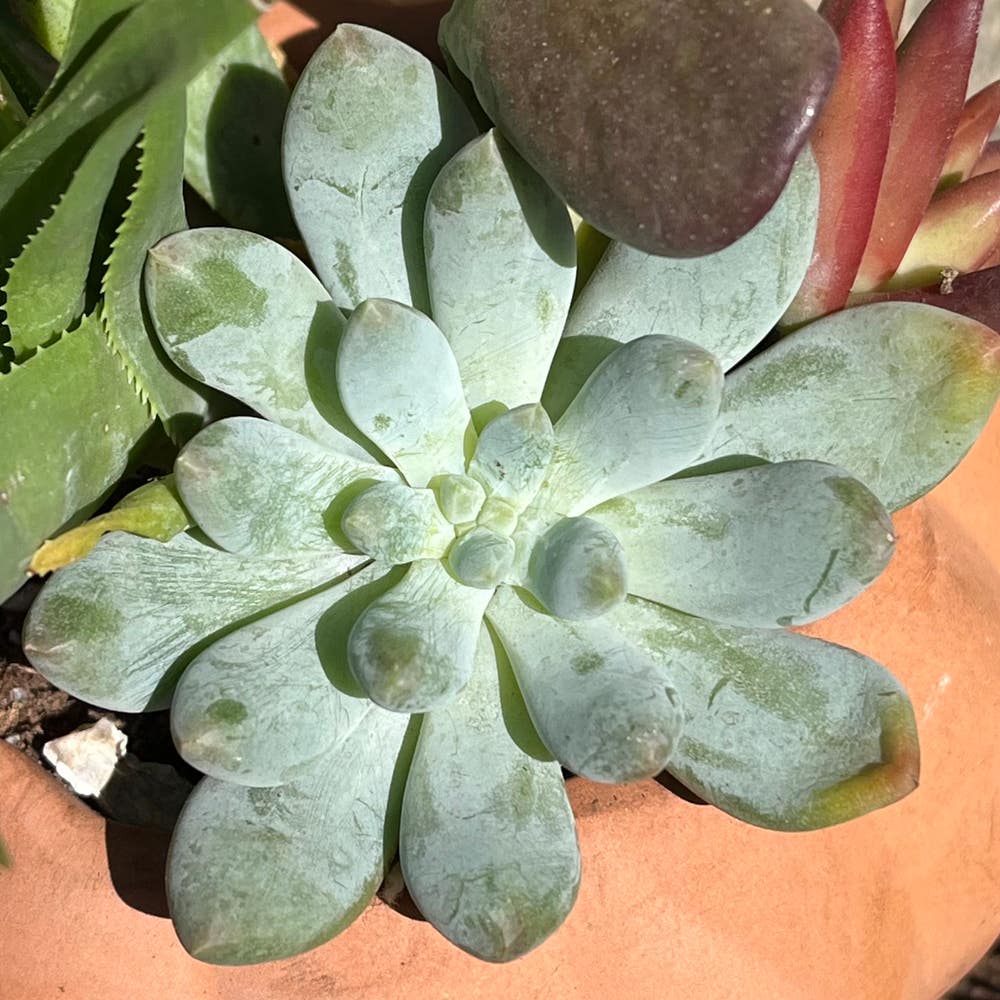
⭐ Why Pachyphytum 'Starburst' Is A Perennial Plant
Pachyphytum 'Starburst'
By the Greg Editorial Team
Sep 30, 2024•5 min read
This article was created with the help of AI so we can cover more plants for you. May contain errors. See one? Report it here.
Transform your garden with Pachyphytum 'Starburst'—a vibrant, low-maintenance perennial! 🌱
- 🌱 Pachyphytum 'Starburst' thrives year after year, eliminating the need for replanting.
- ☀️🌿 Adaptable to sun and shade, it suits various garden settings beautifully.
- 💧 Low-maintenance care ensures healthy growth and vibrant blooms throughout its lifespan.
Pachyphytum 'Starburst' as a Perennial
🌟 Characteristics of Pachyphytum 'Starburst'
Pachyphytum 'Starburst' is a true perennial, boasting a multi-year lifecycle that allows it to thrive across multiple growing seasons. This resilience means you can enjoy its beauty year after year without the hassle of replanting.
The plant's robust root system plays a crucial role in its survival. These roots not only anchor the plant but also store energy, enabling regrowth even after harsh conditions.
Adaptability is another hallmark of Pachyphytum 'Starburst.' It can adjust to varying environmental conditions, making it a versatile choice for different gardens. Whether in full sun or partial shade, this succulent finds a way to flourish.
In summary, the characteristics of Pachyphytum 'Starburst' as a perennial highlight its longevity, resilience, and adaptability. These traits make it an excellent addition to any garden, setting the stage for a thriving landscape.
As we explore how its perennial nature affects growth, you'll see just how these characteristics translate into practical benefits for gardeners.
Growth and Flowering Implications
🌱 How Perennial Nature Affects Growth
Pachyphytum 'Starburst' showcases a unique growth pattern due to its perennial nature. Unlike annuals, which die back each season, this succulent enjoys continuous growth, allowing it to flourish year after year.
Established roots play a crucial role in its resilience. These roots enable the plant to withstand adverse conditions, ensuring it remains healthy even when faced with drought or fluctuating temperatures.
🌼 Flowering Cycles and Patterns
Typically, Pachyphytum 'Starburst' blooms in late spring to early summer. During this time, you can expect vibrant flowers that add a splash of color to your garden.
Several factors influence its flowering cycles. Light exposure, temperature variations, and proper care practices all contribute to the timing and quality of its blooms. Ensuring optimal conditions can lead to a more prolific flowering season.
With a solid understanding of its growth and flowering implications, you're better equipped to nurture this stunning succulent. Next, let's explore the dormancy periods and seasonal changes that affect Pachyphytum 'Starburst'.
Dormancy and Seasonal Changes
Dormancy Periods in Pachyphytum 'Starburst' 🌱
Recognizing when your Pachyphytum 'Starburst' is entering dormancy is crucial for its care. Look for signs like slowed growth, shriveled leaves, and a general lack of vigor.
Typically, dormancy lasts several weeks to a few months, especially during extreme weather conditions. Understanding this cycle helps you adjust your care routine accordingly.
Seasonal Changes and Their Effects 🌦️
Pachyphytum 'Starburst' showcases impressive adaptability to seasonal changes. As temperatures fluctuate and moisture levels vary, this plant adjusts its growth patterns to thrive.
These seasonal adaptations significantly impact both growth and flowering. During warmer months, expect more robust growth and vibrant blooms, while cooler periods may lead to a temporary slowdown.
By being aware of these cycles, you can better support your plant's health and vigor throughout the year. This knowledge sets the stage for effective garden planning and care strategies.
Advantages for Gardeners
🌱 Benefits of Reduced Replanting
Growing Pachyphytum 'Starburst' is a smart, long-term investment. This perennial succulent not only saves you money on replanting but also brings a sense of stability to your garden.
Established plants like 'Starburst' contribute to sustainability. They require less frequent replacement, reducing waste and promoting a healthier ecosystem.
🌳 Importance of Established Root Systems
One of the standout features of Pachyphytum 'Starburst' is its robust root system. These established roots enhance drought resistance, allowing the plant to thrive even in dry spells.
Additionally, a well-developed root system improves nutrient uptake. This means healthier plants that can better withstand environmental stresses, ensuring your garden remains vibrant and flourishing.
Lifespan and Longevity Factors
🌱 Expected Lifespan of Pachyphytum 'Starburst'
Pachyphytum 'Starburst' typically enjoys a lifespan of 5 to 10 years under optimal conditions. This longevity is impressive compared to many other succulents, which often have shorter life expectancies.
🌵 Comparison with Other Succulents
When placed alongside other succulents, 'Starburst' stands out for its resilience. Many popular varieties, like Echeveria, may only last 3 to 7 years, making 'Starburst' a solid choice for long-term gardening.
⏳ Factors Influencing Longevity Across Climate Zones
The lifespan of Pachyphytum 'Starburst' can vary significantly across different climate zones. In harsher climates, the plant may face challenges that can shorten its life.
🌍 Climate Zone Variations
For instance, in arid regions, the plant's ability to conserve moisture plays a crucial role in its survival. Conversely, in more temperate zones, it can thrive with less stress, potentially extending its lifespan.
🔄 Adaptability
One of the remarkable traits of 'Starburst' is its adaptability. This succulent can adjust to various environmental conditions, which not only supports its growth but also enhances its longevity.
Understanding these factors can help you make informed decisions about caring for your Pachyphytum 'Starburst'. With the right conditions and care, you can enjoy this stunning plant for many years to come.
Next, let’s explore how to maximize the benefits of Pachyphytum 'Starburst' in your garden planning.
Tips for Maximizing the Benefits of Pachyphytum 'Starburst' in Garden Planning
🌱 Garden Planning Strategies
When planning your garden, consider the placement of Pachyphytum 'Starburst' carefully. This succulent thrives in bright, indirect sunlight and requires well-draining soil to prevent root rot.
Companion planting can also enhance your garden's ecosystem. Pairing 'Starburst' with other drought-resistant plants not only creates a visually appealing arrangement but also promotes healthier growth through shared resources.
⏳ Long-Term Cultivation Techniques
To ensure your Pachyphytum 'Starburst' flourishes, adopt low-maintenance care practices. Regularly check for pests and water only when the soil is dry to the touch, allowing the plant to thrive with minimal effort.
Adjust your care routines seasonally to match environmental changes. During hotter months, increase watering slightly, while in cooler months, reduce it to prevent overwatering and support the plant's natural dormancy.
With these strategies, you can maximize the benefits of Pachyphytum 'Starburst' and enjoy its beauty for years to come. Next, let’s explore the expected lifespan and longevity factors of this resilient succulent.
⚠️ Safety First
This content is for general information and may contain errors, omissions, or outdated details. It is not medical, veterinary advice, or an endorsement of therapeutic claims.
Always consult a qualified healthcare professional before using any plant as food, medicine, or supplement.
Never eat any plant (or feed one to pets) without confirming its identity with at least two trusted sources.
If you suspect poisoning, call Poison Control (800) 222-1222, the Pet Poison Helpline (800) 213-6680, or your local emergency service immediately.
Spotted an error? Please report it here.
Unlock the enduring beauty of Pachyphytum 'Starburst' 🌟 with Greg's tailored care tips and reminders, ensuring your plant thrives season after season!