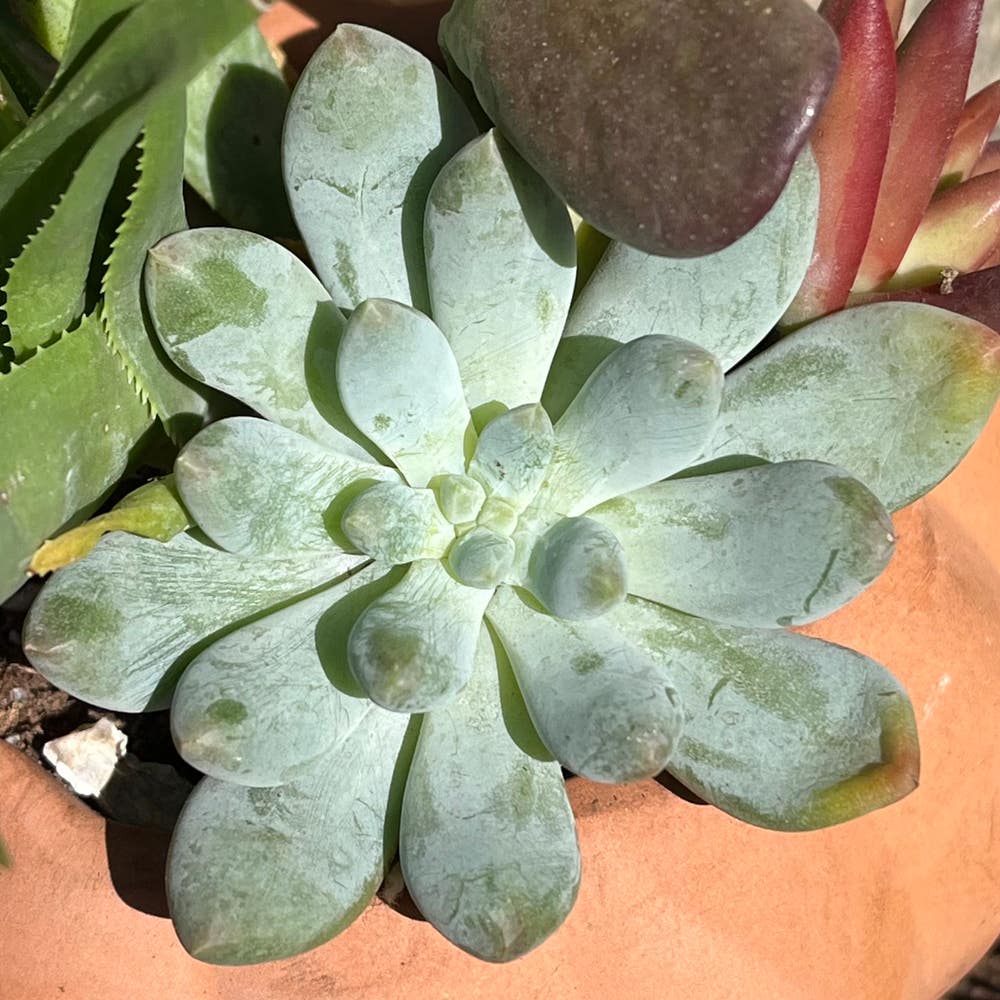
7 Easy Ways to Pollinate Pachyphytum 'Starburst' 🌸
Pachyphytum 'Starburst'
By the Greg Editorial Team
Sep 30, 2024•6 min read
This article was created with the help of AI so we can cover more plants for you. May contain errors. See one? Report it here.
Unlock the secrets of Pachyphytum 'Starburst' 🌸 and its unique pollination strategies that enrich your garden and the ecosystem!
- 🌼 Pachyphytum 'Starburst' attracts bees, butterflies, and hummingbirds with its vibrant flowers.
- 🌱 Self-pollination ensures reproduction, even in challenging conditions for this succulent.
- 🐝 Hand pollination boosts seed production, enhancing genetic diversity and plant resilience.
Flower Structure
Description of Characteristics 🌸
Pachyphytum 'Starburst' boasts stunning tubular and bell-shaped flowers. Their pastel shades not only captivate the eye but also attract a variety of pollinators.
The flowers are arranged in clusters, making them highly visible to potential pollinators. This strategic arrangement enhances the chances of successful pollination.
Role in Pollination 🐝
Self-pollination is a fascinating mechanism that allows Pachyphytum 'Starburst' to fertilize itself. This adaptability ensures that the plant can thrive even in less-than-ideal conditions.
However, cross-pollination plays a crucial role too. By attracting different pollinator species, the plant enhances its genetic diversity, which is vital for resilience and adaptability.
This dual approach to pollination not only secures the plant's future but also enriches the ecosystem around it. Understanding these mechanisms can deepen your appreciation for this unique succulent and its role in nature.
Pollination Process
Self-Pollination 🌱
Pachyphytum 'Starburst' has fascinating self-pollination mechanisms. This means it can fertilize itself without needing help from external pollinators.
While self-pollination is effective, additional methods can boost fruit and seed production. This ensures a more robust plant and increases genetic diversity.
Pollinator Species 🐝
The primary pollinators for Pachyphytum 'Starburst' include bees, butterflies, moths, and hummingbirds. Each of these species plays a crucial role in the plant's pollination success.
Their interactions not only help in transferring pollen but also enhance the overall health of the plant. This symbiotic relationship is vital for thriving ecosystems.
Attracting Pollinators 🌼
Pachyphytum 'Starburst' employs several strategies to attract pollinators. The vibrant flower colors, enticing scents, and abundant nectar are key elements in this process.
These features make the plant irresistible to its pollinators, ensuring effective pollination. By understanding these attractions, gardeners can create environments that further encourage pollinator visits.
With a solid grasp of the pollination process, you're now ready to explore natural pollination mechanisms. This next section will delve deeper into how pollen transfer occurs and its significance for plant reproduction.
Natural Pollination Mechanisms
🌬️ Pollen Transfer
Pollination is a fascinating process that can occur through various mechanisms. Wind, insects, and self-pollination all play crucial roles in transferring pollen to fertilize flowers.
Wind is often an overlooked method, especially for plants that produce lightweight pollen. However, for Pachyphytum 'Starburst', insects are the primary pollinators, making their role vital.
Insects, such as bees and butterflies, actively seek out the plant's tubular flowers. Their movement from flower to flower ensures effective pollen transfer, enhancing the chances of successful fertilization.
Self-pollination also occurs, allowing the plant to fertilize itself when pollinators are scarce. This adaptability is essential for the plant's survival in varying conditions.
🌱 Importance of Pollination
The impact of pollination on plant reproduction cannot be overstated. Successful pollination leads to the development of seeds and fruits, which are crucial for the plant's lifecycle.
Moreover, cross-pollination introduces genetic diversity, making plants more resilient to diseases and environmental changes. This diversity is vital for the long-term health of ecosystems.
In summary, understanding these natural pollination mechanisms is key to appreciating how Pachyphytum 'Starburst' thrives. By ensuring effective pollen transfer, the plant not only reproduces but also contributes to a rich genetic pool.
As we explore hand pollination techniques next, we’ll see how gardeners can assist in this beautiful process.
Hand Pollination Techniques
Hand pollination can be a rewarding way to ensure the successful reproduction of your Pachyphytum 'Starburst'. Here’s a straightforward guide to help you through the process.
Step 1: Identifying Male and Female Flower Parts 🌸
Understanding the anatomy of the flower is crucial. Male flowers produce pollen, while female flowers have a stigma that receives it.
Step 2: Collecting Pollen 🐝
Gathering pollen from male flowers can be done easily. Use a small brush or your fingertip to gently collect the yellow pollen grains.
Step 3: Transferring Pollen 🎯
Once you have the pollen, it’s time to apply it to the female flowers. Lightly dab the pollen onto the stigma to facilitate fertilization.
Step 4: Timing ⏰
Timing is everything in hand pollination. The best times to pollinate are early in the morning or late in the afternoon when flowers are most receptive.
Hand pollination not only boosts your plant's fruit and seed production but also deepens your connection with nature. With these techniques, you can enhance the reproductive success of your Pachyphytum 'Starburst' and enjoy the beauty it brings.
Next, let’s explore how to create a pollinator-friendly environment to support these amazing plants.
Supporting Pollinators
🌼 Creating a Pollinator-Friendly Environment
To support pollinators around your Pachyphytum 'Starburst', start by incorporating essential elements like native plants, water sources, and shelter. Native plants provide the right food and habitat, while a small water feature can attract thirsty pollinators.
Avoiding pesticides is crucial. These chemicals can harm beneficial insects, so opt for organic gardening practices. Additionally, providing a diverse range of flora ensures that pollinators have access to food throughout the growing season.
🌱 Companion Plants
Companion planting can significantly enhance the pollinator presence in your garden. Consider adding plants like lavender and bee balm, which are known to attract a variety of beneficial pollinators.
These flowering plants not only coexist well with Pachyphytum 'Starburst' but also create a vibrant ecosystem. By diversifying your garden, you encourage a healthy pollinator population, which in turn supports the overall health of your plants.
Incorporating these strategies will create a thriving environment for pollinators, ensuring your Pachyphytum 'Starburst' flourishes. Next, let’s explore the common challenges faced in pollination and how to overcome them.
Pollination Challenges and Solutions
Common Obstacles 🌪️
Pollination can be hindered by various environmental factors. Temperature fluctuations and high humidity can negatively impact the success of pollination in Pachyphytum 'Starburst'.
Another significant challenge is the lack of pollinators. Changes in habitat, pesticide use, and seasonal variations can lead to reduced activity among essential pollinator species.
Solutions 🌼
To enhance pollination success, consider implementing several strategies. Creating a diverse garden with native plants can attract a wider range of pollinators.
Adjusting care practices is also crucial. Ensure your Pachyphytum 'Starburst' receives adequate light, proper soil conditions, and consistent watering to promote healthy flowering and attract more pollinators.
By addressing these challenges, you can create a thriving environment for your plants and their pollinators. This not only boosts your garden's health but also contributes to the broader ecosystem.
⚠️ Safety First
This content is for general information and may contain errors, omissions, or outdated details. It is not medical, veterinary advice, or an endorsement of therapeutic claims.
Always consult a qualified healthcare professional before using any plant as food, medicine, or supplement.
Never eat any plant (or feed one to pets) without confirming its identity with at least two trusted sources.
If you suspect poisoning, call Poison Control (800) 222-1222, the Pet Poison Helpline (800) 213-6680, or your local emergency service immediately.
Spotted an error? Please report it here.
Boost your Pachyphytum 'Starburst' blooms and attract pollinators 🌺 effortlessly with Greg's tailored care reminders and tips for a flourishing garden!