🌟 Pachyphytum 'Starburst' is Not an Invasive Plant
Pachyphytum 'Starburst'
By the Greg Editorial Team
Sep 30, 2024•5 min read
This article was created with the help of AI so we can cover more plants for you. May contain errors. See one? Report it here.
Transform your garden with Pachyphytum 'Starburst' 🌼—a stunning, non-invasive succulent that supports local ecosystems!
- 🌱 Pachyphytum 'Starburst' is non-invasive, making it safe for diverse gardens.
- 🌞 Thrives in arid conditions, limiting its spread and supporting sustainable gardening.
- 🐝 Attracts pollinators, enhancing local biodiversity while coexisting with other drought-tolerant plants.
Plant Classification
🌱 Definition of Invasive Species
Invasive species are plants or animals that can rapidly grow and spread, often outcompeting native flora. They typically disrupt local ecosystems, leading to negative impacts on biodiversity and environmental health.
🌟 Why Pachyphytum 'Starburst' is Non-Invasive
Pachyphytum 'Starburst' stands out for its slow growth rate, which limits its spread potential in gardens. This characteristic makes it a manageable choice for gardeners looking to maintain control over their plantings.
Natural Habitat
This succulent thrives in specific arid conditions, which reduces the likelihood of uncontrolled growth. Its preference for dry environments means it won't easily escape into local ecosystems.
Reproductive Strategies
Another reason Pachyphytum 'Starburst' is non-invasive is its lack of aggressive reproductive strategies. It does not produce large quantities of seeds or vegetative offsets, further curbing its potential to spread uncontrollably.
In summary, Pachyphytum 'Starburst' is a safe and beautiful addition to any garden, offering both aesthetic appeal and ecological responsibility. Next, we’ll explore its growth habits and how they contribute to its non-invasive nature.
Growth Habits
🌱 Typical Growth Patterns in Gardens
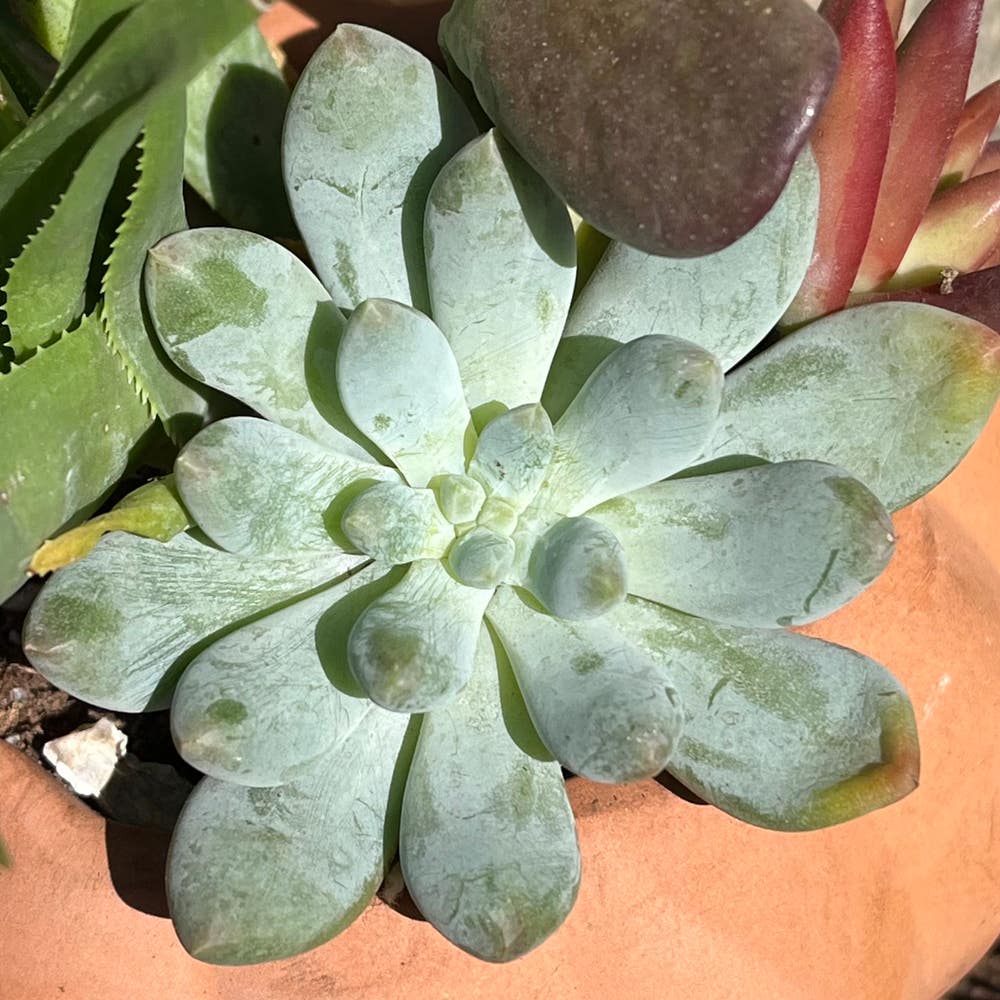
Pachyphytum 'Starburst' showcases a striking growth form characterized by compact rosettes. These rosettes feature fleshy leaves that efficiently store water, making them ideal for arid conditions.
For optimal growth, this succulent thrives in well-draining soil and requires full sun exposure. During spring and summer, you'll see vibrant activity as it grows, while fall and winter bring a well-deserved dormancy.
🌿 Natural Limits to Growth and Spread Potential
The growth of Pachyphytum 'Starburst' is naturally limited by environmental conditions. It requires specific light and moisture levels to flourish, which helps keep its spread in check.
Fortunately, its maintenance needs are minimal, making it a manageable choice for gardeners. This ease of care allows you to enjoy its beauty without constant attention.
As you consider incorporating this unique succulent into your garden, remember its specific needs and growth patterns. This understanding will help you create a thriving space that showcases its charm while ensuring it remains non-invasive.
Ecological Role
Benefits in Ecosystems 🌼
Pachyphytum 'Starburst' plays a vital role in local ecosystems. Its vibrant flowers attract pollinators like bees and butterflies, which are essential for the health of many plants.
Additionally, this succulent enhances biodiversity by providing habitat and food sources for various wildlife. Its presence supports a balanced ecosystem, making it a valuable addition to any garden.
Positive Interactions with Local Wildlife 🐞
This plant is a haven for beneficial insects. By supporting these creatures, Pachyphytum 'Starburst' contributes to a thriving environment.
Moreover, it coexists well with other plants, particularly various succulents and drought-tolerant species. This compatibility allows gardeners to create diverse and visually appealing landscapes while promoting ecological harmony.
Incorporating Pachyphytum 'Starburst' into your garden not only beautifies your space but also fosters a healthier ecosystem. As we explore garden management next, consider how this plant can enhance your gardening experience while supporting local wildlife.
Garden Management
Incorporating into Garden Designs 🌼
Pachyphytum 'Starburst' shines in various garden settings. Consider using it in rock gardens or as part of succulent arrangements for a vibrant display.
Pairing it with other drought-tolerant plants creates a cohesive look that thrives in arid conditions. This combination not only enhances visual appeal but also promotes a sustainable garden ecosystem.
Placement Considerations ☀️
Ensure your 'Starburst' receives adequate sunlight and has well-draining soil. These factors are crucial for its health and growth, allowing it to flourish without becoming invasive.
Controlling Growth for Aesthetic Purposes ✂️
To maintain the beauty of your Pachyphytum 'Starburst,' regular pruning is essential. Remove dead leaves and spent flowers to keep the plant looking fresh and vibrant.
Spacing is also important; allow for adequate air circulation to prevent overcrowding. This simple practice helps your garden maintain its aesthetic charm while supporting the plant's health.
Incorporating these management techniques will ensure your garden thrives. Next, let’s explore how Pachyphytum 'Starburst' interacts positively with local wildlife.
Comparison to Other Plants
🌱 Similar Non-Invasive Plants
When considering non-invasive succulents, Echeveria, Sedum, and various Aloe species come to mind. These plants share a similar aesthetic appeal and low maintenance needs, making them popular choices for gardeners.
Pachyphytum 'Starburst' stands out due to its unique leaf coloration and distinctive rosette shape. This differentiation not only enhances its visual appeal but also adds diversity to succulent collections.
✨ Unique Qualities
One of the most striking features of Pachyphytum 'Starburst' is its colorful leaf tips, which create a vibrant display in any garden. This aesthetic quality makes it a favorite among plant enthusiasts looking to add a splash of color.
Additionally, its care requirements are minimal, making it an excellent choice for beginner gardeners. With just a bit of sunlight and well-draining soil, this succulent thrives effortlessly, allowing even novice gardeners to enjoy its beauty without stress.
As we explore the ecological role of Pachyphytum 'Starburst', we’ll see how it contributes positively to its environment and supports local wildlife.
Legal and Environmental Considerations
🌱 Relevant Classifications and Guidelines
When incorporating Pachyphytum 'Starburst' into your garden, it's essential to check local regulations regarding succulent planting. Some areas may have specific guidelines to ensure that non-invasive species are promoted.
Local horticultural societies have confirmed the non-invasive status of Pachyphytum 'Starburst.' This classification reassures gardeners that they can enjoy this beautiful succulent without worrying about it overtaking their space.
♻️ Role in Sustainable Gardening Practices
Pachyphytum 'Starburst' contributes significantly to water conservation. Its drought-tolerant nature makes it an excellent choice for sustainable landscaping, reducing the need for excessive watering.
Additionally, this succulent encourages biodiversity in your garden. By attracting beneficial insects and providing habitat, it promotes a healthy ecosystem that supports local wildlife.
Incorporating Pachyphytum 'Starburst' not only beautifies your space but also aligns with eco-friendly gardening practices. As you plan your garden, consider how this plant can enhance both aesthetics and environmental health.
With these considerations in mind, let's explore how to effectively manage Pachyphytum 'Starburst' in your garden design.
⚠️ Safety First
This content is for general information and may contain errors, omissions, or outdated details. It is not medical, veterinary advice, or an endorsement of therapeutic claims.
Always consult a qualified healthcare professional before using any plant as food, medicine, or supplement.
Never eat any plant (or feed one to pets) without confirming its identity with at least two trusted sources.
If you suspect poisoning, call Poison Control (800) 222-1222, the Pet Poison Helpline (800) 213-6680, or your local emergency service immediately.
Spotted an error? Please report it here.
Pachyphytum 'Starburst' is a stunning addition to your garden that won't invade your space, and with Greg's tailored care reminders, you'll keep it thriving effortlessly! 🌵