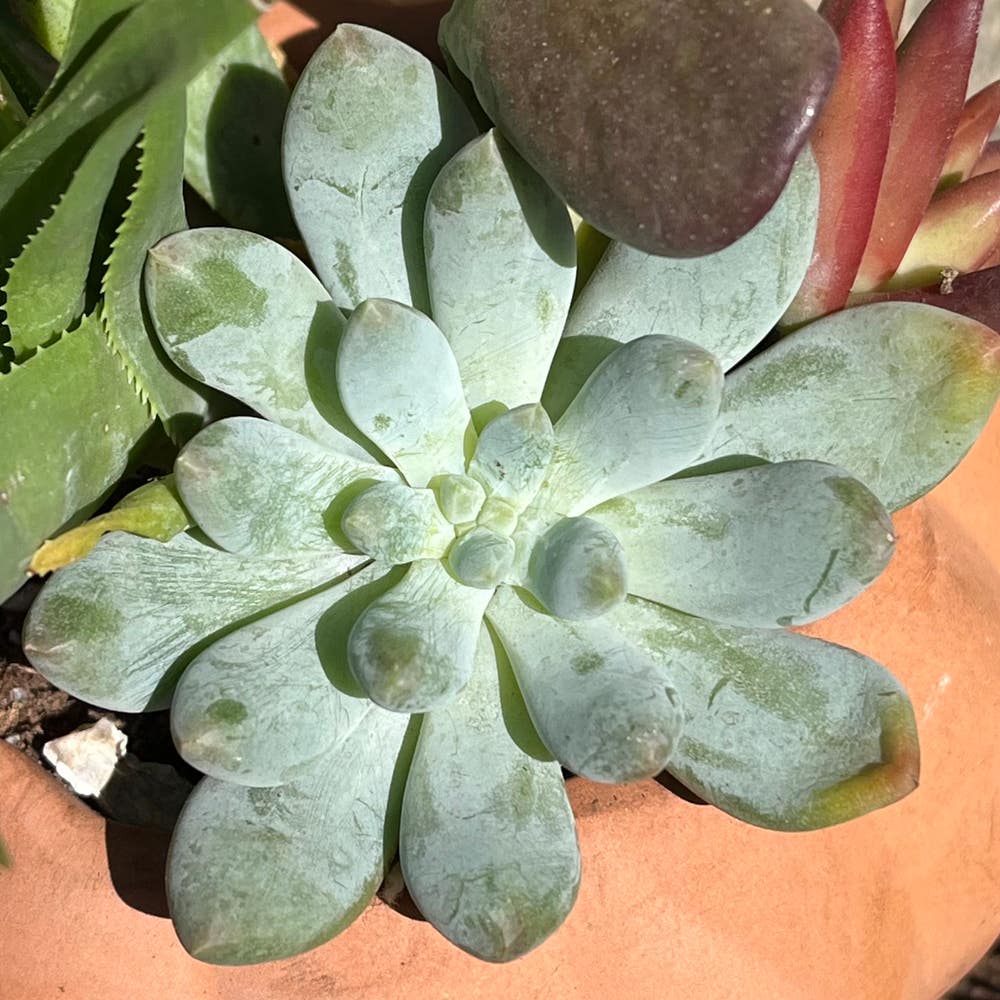
⭐ 7 Secrets to Successfully Grow Pachyphytum 'Starburst'
Pachyphytum 'Starburst'
By the Greg Editorial Team
Sep 30, 2024•6 min read
This article was created with the help of AI so we can cover more plants for you. May contain errors. See one? Report it here.
Cultivate a vibrant Pachyphytum 'Starburst' with essential tips on light, soil, and care for thriving growth! 🌱
- 🌞 Pachyphytum 'Starburst' thrives in bright, indirect light for optimal growth.
- 💧 Water every 2-3 weeks, allowing soil to dry completely to prevent root rot.
- 🌱 Use well-draining soil and pots with drainage holes for healthy root development.
Choosing the Right Location
🌱 Indoor vs. Outdoor Growing Conditions
When it comes to growing Pachyphytum 'Starburst', location is key. Indoors, this succulent thrives in bright, indirect light, making it perfect for container gardening.
Outdoors, it flourishes in well-drained areas with plenty of sunlight. Just ensure it’s not sitting in waterlogged soil.
☀️ Light Requirements for Optimal Growth
For optimal growth, aim for 4-6 hours of bright, indirect sunlight daily. This balance helps the plant thrive while avoiding the harsh rays that can scorch its leaves.
Direct sunlight can lead to unsightly damage, so be mindful of its placement.
🌡️ Temperature and Humidity Preferences
Pachyphytum 'Starburst' prefers a cozy temperature range of 65°F to 80°F (18°C to 27°C). It’s a fan of low humidity, so steer clear of overly humid environments to keep it happy.
Maintaining these conditions will set your plant up for success, allowing it to grow robustly and beautifully.
With the right location secured, let’s dive into soil preparation to ensure your succulent has the best foundation for growth.
Soil Preparation
Best Soil Types 🌱
Choosing the right soil is crucial for your Pachyphytum 'Starburst.' Well-draining soil is essential to prevent root rot, which can be a common issue for succulents.
For optimal growth, consider using a cactus mix or sandy loam. These soil types provide the necessary drainage and aeration that your plant craves.
Importance of Drainage and Aeration 💧
Drainage is critical; without it, waterlogged conditions can lead to root rot. Ensure your pot has drainage holes to facilitate this process.
Aeration is equally important as it promotes healthy root development. A well-aerated soil allows roots to breathe, reducing the risk of disease.
DIY Soil Mix Recipes 🧪
Creating your own soil mix can be both fun and rewarding. Here are two simple recipes to get you started:
- Basic Succulent Mix: Combine 2 parts potting soil, 1 part coarse sand, and 1 part perlite.
- Alternative Mix: Mix 1 part peat moss, 1 part pumice, and 1 part gravel.
These DIY mixes will provide the perfect environment for your Pachyphytum 'Starburst' to thrive.
With the right soil preparation in place, you’re ready to move on to planting techniques that will ensure your succulent grows beautifully.
Planting Techniques
Step-by-Step Planting Instructions 🌱
Planting your Pachyphytum 'Starburst' is straightforward and rewarding. Start by choosing a pot with drainage holes to prevent water accumulation.
Next, fill the pot with your prepared soil mix, leaving enough space for the plant. Carefully remove the plant from its nursery pot and gently loosen any tightly bound roots.
Once the roots are ready, place the plant in the center of the pot. Fill in around it with soil, firming gently to eliminate air pockets. Finally, water lightly to settle the soil around the roots.
Container vs. Ground Planting Considerations 🏡
Deciding between container and ground planting can impact your plant's health. Container planting allows for easier control of soil conditions and mobility, making it ideal for those who want flexibility.
On the other hand, ground planting requires well-draining soil and adequate sunlight exposure. Choose the method that best suits your gardening style and environment.
Spacing and Arrangement Tips 📏
Proper spacing is crucial for your plant's growth. Aim to space your Pachyphytum 'Starburst' 6-12 inches apart to ensure optimal air circulation.
For a visually appealing arrangement, consider grouping it with other drought-tolerant plants. This not only enhances aesthetics but also creates a thriving ecosystem for your garden.
With these planting techniques, you're well on your way to cultivating a healthy and vibrant Pachyphytum 'Starburst'. Next, let’s explore how to care for your plant through watering and fertilizing.
Watering and Fertilizing
💧 Watering Frequency and Techniques
Pachyphytum 'Starburst' thrives on a consistent watering schedule. Aim to water every 2-3 weeks during the growing season, allowing the soil to dry out completely between waterings.
For effective watering, use the soak and dry method. Water thoroughly until it drains from the bottom, then hold off until the soil is dry to the touch.
🚫 Signs of Overwatering and Underwatering
Recognizing the signs of overwatering is crucial for your plant's health. Look for yellowing leaves and a mushy texture, which indicate too much moisture.
On the flip side, underwatering can lead to wrinkled leaves and dry tips. Keep an eye on your plant's appearance to ensure it gets just the right amount of water.
🌱 Recommended Fertilizers and Feeding Schedule
When it comes to fertilizing, a balanced, diluted succulent fertilizer works wonders. This type of fertilizer provides essential nutrients without overwhelming your plant.
Feed your Pachyphytum every 4-6 weeks during the growing season. This regular feeding will help promote healthy growth and vibrant foliage.
In summary, maintaining the right watering and fertilizing routine is key to a thriving Pachyphytum 'Starburst.' With proper care, your plant will flourish, setting the stage for the next steps in its ongoing care.
Pruning and Ongoing Care
When and How to Prune 🌱
Pruning your Pachyphytum 'Starburst' is essential for maintaining its health. Aim to prune in early spring or late winter, removing any dead or damaged leaves with clean, sharp scissors.
Pest and Disease Management 🐛
Keep an eye out for common pests like mealybugs and aphids. Control these nuisances effectively using neem oil or insecticidal soap to protect your plant.
Seasonal Care Adjustments 🌦️
Adjust your care routine with the changing seasons. In winter, reduce watering frequency and protect your plant from frost to keep it thriving.
In summer, slightly increase watering and ensure good ventilation to help your 'Starburst' flourish. With these ongoing care tips, your plant will not only survive but thrive, setting the stage for the next section on common challenges and solutions.
Common Challenges and Solutions
🐛 Identifying and Addressing Common Problems
Pachyphytum 'Starburst' can face a few challenges, primarily pests and rot. Regular inspections are crucial for early detection of pests like mealybugs and aphids, which can wreak havoc if left unchecked.
To prevent rot, ensure your plant has proper drainage. Overwatering is a common mistake that can lead to root issues, so always check the soil moisture before watering.
🌱 Tips for Maintaining Plant Health
Maintaining the health of your 'Starburst' is straightforward with a few simple practices. Regularly check soil moisture levels to avoid both over and underwatering.
Additionally, rotating your pots can help ensure even light exposure, promoting balanced growth and preventing any one side from becoming leggy.
🔍 Troubleshooting Growth Issues
If you notice slow growth, it might be time to reassess your plant's light and nutrient intake. Ensure it receives adequate bright, indirect sunlight and consider fertilizing if you haven't done so recently.
Leaf drop can be alarming, but it often signals issues with watering practices or environmental conditions. Take a moment to evaluate your care routine and adjust as necessary for optimal health.
With these tips, you'll be well-equipped to tackle any challenges that arise, keeping your Pachyphytum 'Starburst' thriving. Next, let’s explore the essential pruning and ongoing care techniques to ensure your plant continues to flourish.
⚠️ Safety First
This content is for general information and may contain errors, omissions, or outdated details. It is not medical, veterinary advice, or an endorsement of therapeutic claims.
Always consult a qualified healthcare professional before using any plant as food, medicine, or supplement.
Never eat any plant (or feed one to pets) without confirming its identity with at least two trusted sources.
If you suspect poisoning, call Poison Control (800) 222-1222, the Pet Poison Helpline (800) 213-6680, or your local emergency service immediately.
Spotted an error? Please report it here.
Grow your Pachyphytum 'Starburst' to be vibrant 🌱 and healthy with Greg's tailored watering alerts and expert tips that ensure your succulent thrives in its perfect environment!