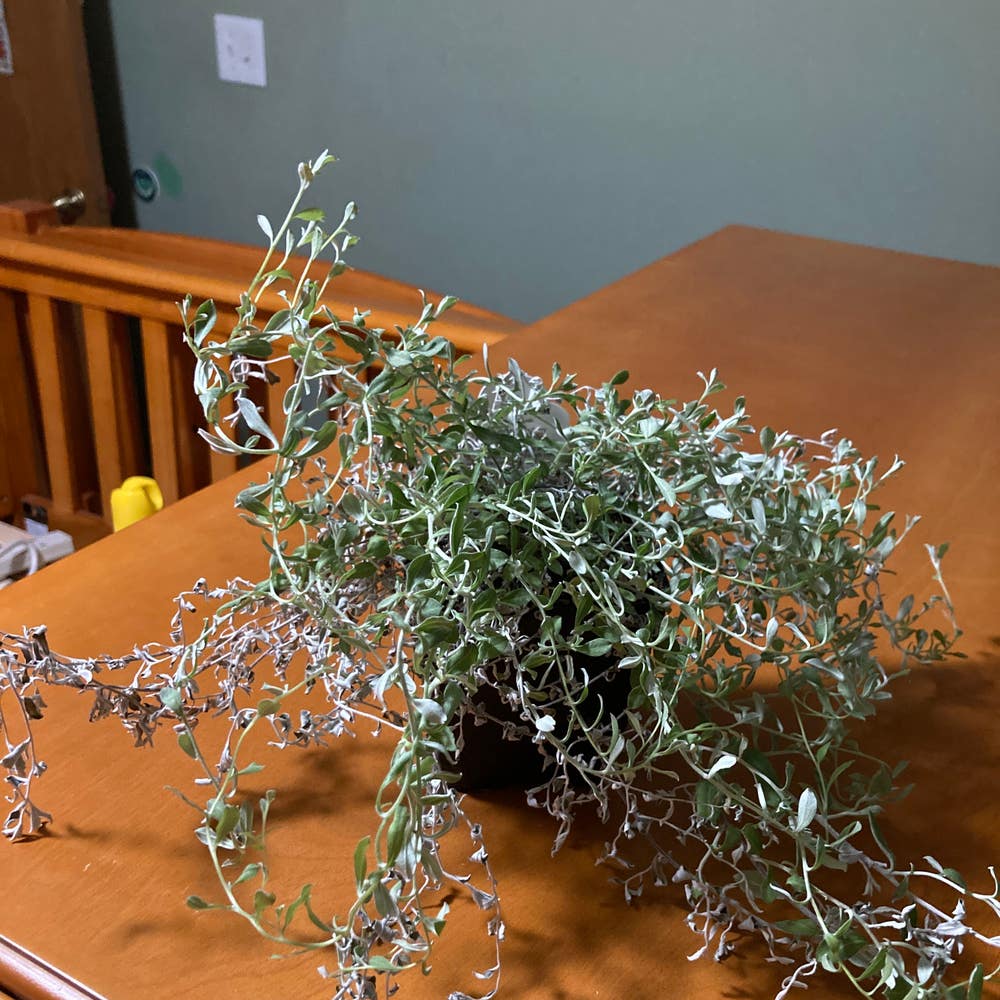
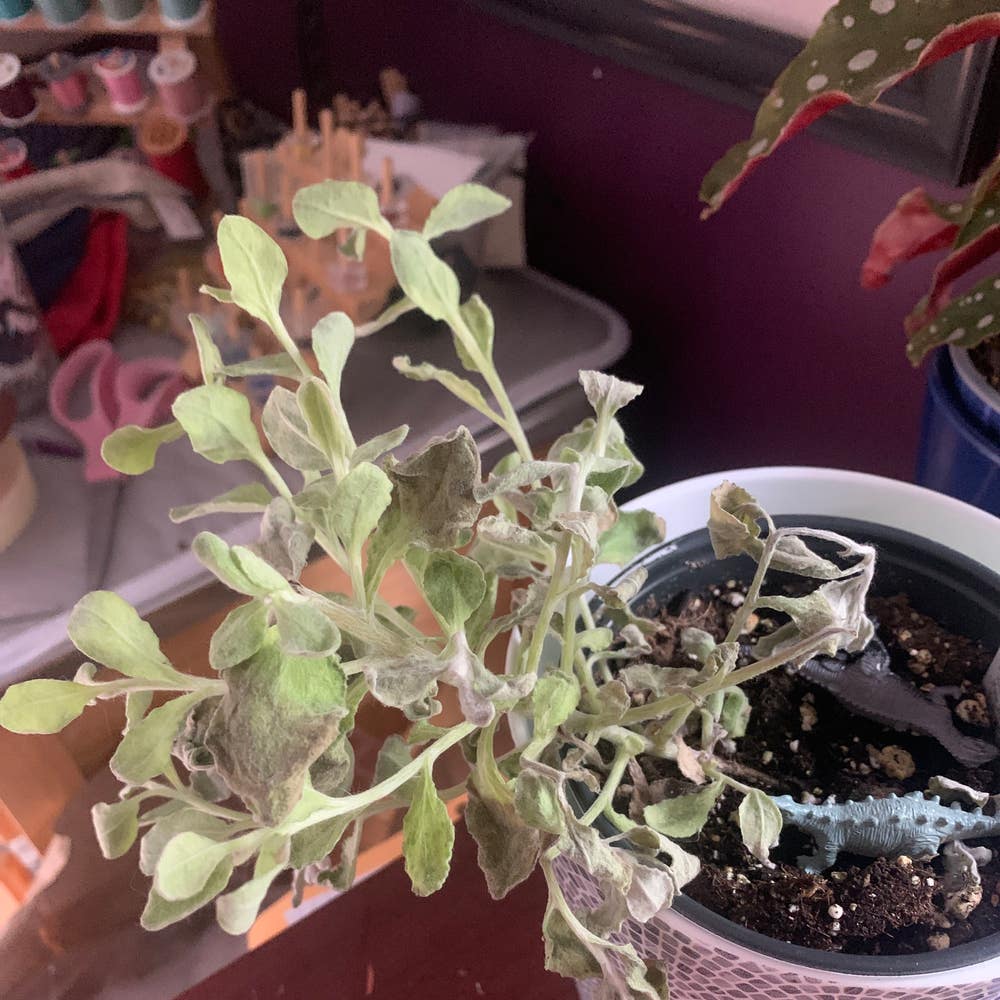
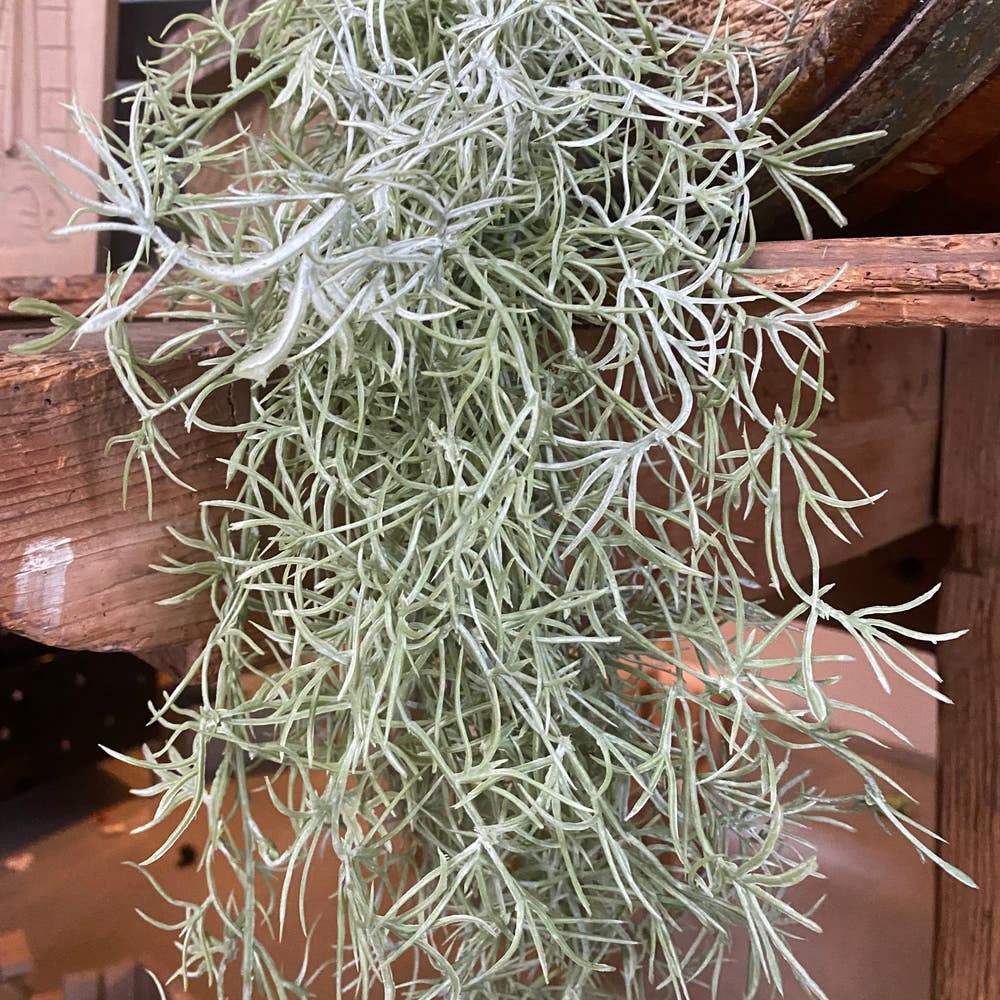
Determining What Might Be Eating Your Everlasting Daisy 🐞
Helichrysum retortoides
By the Greg Editorial Team
Oct 25, 2024•7 min read
This article was created with the help of AI so we can cover more plants for you. May contain errors. See one? Report it here.
Safeguard your everlasting daisies 🌼 while inviting beneficial wildlife into your garden with these essential tips!
- 🌼 Everlasting daisies attract both pollinators and herbivores, impacting garden health.
- 🦌 Deer and rabbits can damage daisies; use repellents and fencing for protection.
- 🐦 Birds help pollinate but may eat seeds; netting can manage their presence.
Most Appealing Parts to Animals
Description of Appearance and Characteristics 🌼
Everlasting daisies are a feast for the eyes, boasting vibrant, long-lasting flowers in shades of yellow, orange, and pink. Their bright colors not only attract human admirers but also entice various animals looking for a tasty snack.
Young shoots are particularly appealing due to their tender texture and high moisture content. These succulent greens are a magnet for herbivores eager for fresh foliage.
The fruits of the everlasting daisy, or seed heads, can also draw in birds and small mammals. These seed heads provide a nutritious treat, making the plant a valuable resource in the garden ecosystem.
Understanding these appealing parts can help you protect your everlasting daisies from potential threats. With this knowledge, you can take proactive steps to ensure your garden thrives while still attracting beneficial wildlife.
Common Herbivores Affecting Everlasting Daisy
🦌 Deer
Signs of Presence and Damage Caused
Deer are often the first culprits when it comes to damage to your Everlasting Daisy. Look for hoof prints in muddy areas and signs of browsed leaves and flowers, which indicate their presence and can lead to stunted growth.
Beneficial vs. Harmful Interactions
While deer can be a beautiful part of the landscape, their impact is generally harmful. Without proper management, they can decimate your daisy population.
Deterrent Methods
To keep deer at bay, consider using chemical repellents with strong scents. Organic options like garlic spray, human hair, or soap shavings can also be effective.
🐇 Rabbits
Signs of Presence and Damage Caused
Rabbits leave behind small, round paw prints and often make clean cuts on stems and leaves at a 45-degree angle. Their presence can quickly reduce the vigor of your Everlasting Daisy.
Beneficial vs. Harmful Interactions
Rabbits are generally harmful to your plants. Their feeding habits can significantly weaken your daisies.
Deterrent Methods
Bitter-tasting chemical repellents can deter rabbits effectively. For a more organic approach, consider fencing that is 2-3 feet high or planting rabbit-resistant plants nearby.
🐿️ Squirrels
Signs of Presence and Damage Caused
Squirrels are identifiable by their small paw prints and chewed bark. They can gnaw on stems and flowers, and their digging around roots can disrupt growth.
Beneficial vs. Harmful Interactions
Squirrels are generally harmful, as their activities can affect both the aesthetics and health of your daisies.
Deterrent Methods
Capsaicin-based sprays serve as effective chemical repellents against squirrels. You can also use scare tactics like reflective tape or noise makers to keep them away.
🐦 Birds
Signs of Presence and Damage Caused
Look for feathers and droppings near your plants, which indicate bird activity. They can cause damage through seed predation and pecked flowers.
Beneficial vs. Harmful Interactions
Birds have a mixed impact; while some are beneficial pollinators, others can harm your seeds.
Deterrent Methods
Non-toxic bird deterrents can help manage their presence. Additionally, using netting over plants or reflective objects can scare birds away.
🐭 Rodents (Mice, Voles, etc.)
Signs of Presence and Damage Caused
Rodents leave small, round footprints and create burrows near roots. They can gnaw on roots and stems, causing significant damage.
Beneficial vs. Harmful Interactions
Rodents are generally harmful, leading to considerable plant damage if not controlled.
Deterrent Methods
For chemical deterrents, consider rodent bait stations. Organic methods include traps and encouraging natural predators like cats and owls.
🦡 Groundhogs/Woodchucks
Signs of Presence and Damage Caused
Groundhogs leave large, clawed footprints and can cause extensive digging. They often eat stems and leaves, leading to severe damage.
Beneficial vs. Harmful Interactions
These animals are generally harmful and can devastate garden areas if left unchecked.
Deterrent Methods
Commercial groundhog repellents can be effective. Additionally, fencing that is 3-4 feet high and planting barriers can help protect your daisies.
Understanding these common herbivores and their impact on your Everlasting Daisy is crucial for maintaining a healthy garden. With the right deterrent methods, you can protect your plants while fostering a vibrant ecosystem.
Beneficial Animals Attracted to Everlasting Daisy
Positive Impacts on the Garden Ecosystem 🐝
Everlasting daisies are not just a feast for herbivores; they also attract a host of beneficial animals. Bees and butterflies flock to these vibrant flowers, playing a crucial role in pollination.
Pollinators like these enhance the overall health of your garden. Their activity ensures that your plants produce more seeds and fruits, contributing to a thriving ecosystem.
Contribution to Biodiversity 🌼
In addition to pollinators, everlasting daisies support a variety of beneficial insects. These include predatory species that help control pest populations, creating a balanced environment.
By fostering biodiversity, you not only protect your plants but also create a lively habitat. This interconnectedness enriches your garden, making it a sanctuary for both flora and fauna.
In summary, while some animals may pose challenges, the presence of beneficial species can significantly enhance your garden's health. Next, let’s explore general strategies for protecting your everlasting daisies from potential threats.
General Strategies for Protecting Everlasting Daisy
🛡️ Preventive Measures for Herbivore Damage
To safeguard your Everlasting Daisy, consider using planting barriers. These can include physical barriers like fences or companion plants that deter herbivores.
Regular monitoring is also crucial. Keep an eye out for signs of animal activity, such as tracks or nibbling, to catch potential issues early.
⚠️ Reactive Solutions for Managing Animal Interactions
When you notice signs of herbivore activity, a quick response is essential. Implement deterrents immediately to minimize damage.
Additionally, be prepared for seasonal adjustments. Different animals exhibit varying behaviors throughout the year, so adapt your strategies accordingly.
🌱 Balancing Ecosystem Health While Protecting Plants
Understanding the role of herbivores in the ecosystem is vital. They can contribute to a balanced environment, so consider how to promote coexistence.
By managing your garden thoughtfully, you can protect your Everlasting Daisy while supporting local wildlife. This approach fosters a healthy ecosystem and enhances your gardening experience.
Seasonal Considerations
🦋 Variations in Animal Attraction Throughout the Seasons
As the seasons change, so does the activity of animals around your Everlasting Daisy.
Spring brings a surge of life as animals emerge from hibernation, leading to increased herbivore activity.
Summer is the peak feeding time, with many herbivores actively seeking out tender shoots and vibrant flowers.
In Fall, animals prepare for winter, which often results in heightened foraging behavior as they stock up on food.
🌱 Seasonal Care Tips for Everlasting Daisy
To keep your Everlasting Daisy thriving, adjust your care routine with the seasons.
Watering and fertilization should align with seasonal growth patterns to ensure optimal health.
Additionally, consider the timing of planting and protection measures to shield your plants from seasonal threats.
By staying attuned to these seasonal shifts, you can better protect your garden while enjoying the beauty of your Everlasting Daisy.
This proactive approach not only enhances plant health but also fosters a balanced ecosystem.
Toxicity and Safety
Potential Toxic Effects of Everlasting Daisy on Animals 🐾
Everlasting daisies possess mild toxicity, which can act as a natural deterrent for some herbivores. This characteristic helps limit excessive feeding, allowing the plants to thrive in their environment.
Implications for Herbivore Interactions 🦙
Understanding the mild toxicity of everlasting daisies can inform which animals might avoid them. While some creatures may steer clear, others may still be drawn to the vibrant flowers, creating a delicate balance between attracting pollinators and managing herbivore interactions.
Balancing Benefits and Risks ⚖️
It's essential to weigh the benefits of attracting pollinators against the potential risks to herbivores. This balance can foster a healthier garden ecosystem, where both plants and animals coexist harmoniously.
As you consider the role of everlasting daisies in your garden, remember that knowledge is power. By understanding their toxicity and its implications, you can make informed decisions that enhance your garden's vitality while protecting its inhabitants.
Next, let's explore seasonal considerations that can further influence the health and safety of your everlasting daisies.
⚠️ Safety First
This content is for general information and may contain errors, omissions, or outdated details. It is not medical, veterinary advice, or an endorsement of therapeutic claims.
Always consult a qualified healthcare professional before using any plant as food, medicine, or supplement.
Never eat any plant (or feed one to pets) without confirming its identity with at least two trusted sources.
If you suspect poisoning, call Poison Control (800) 222-1222, the Pet Poison Helpline (800) 213-6680, or your local emergency service immediately.
Spotted an error? Please report it here.
Protect your everlasting daisies from pesky herbivores and cultivate a vibrant garden 🌼 with Greg's tailored care tips and timely reminders to keep your plants thriving!