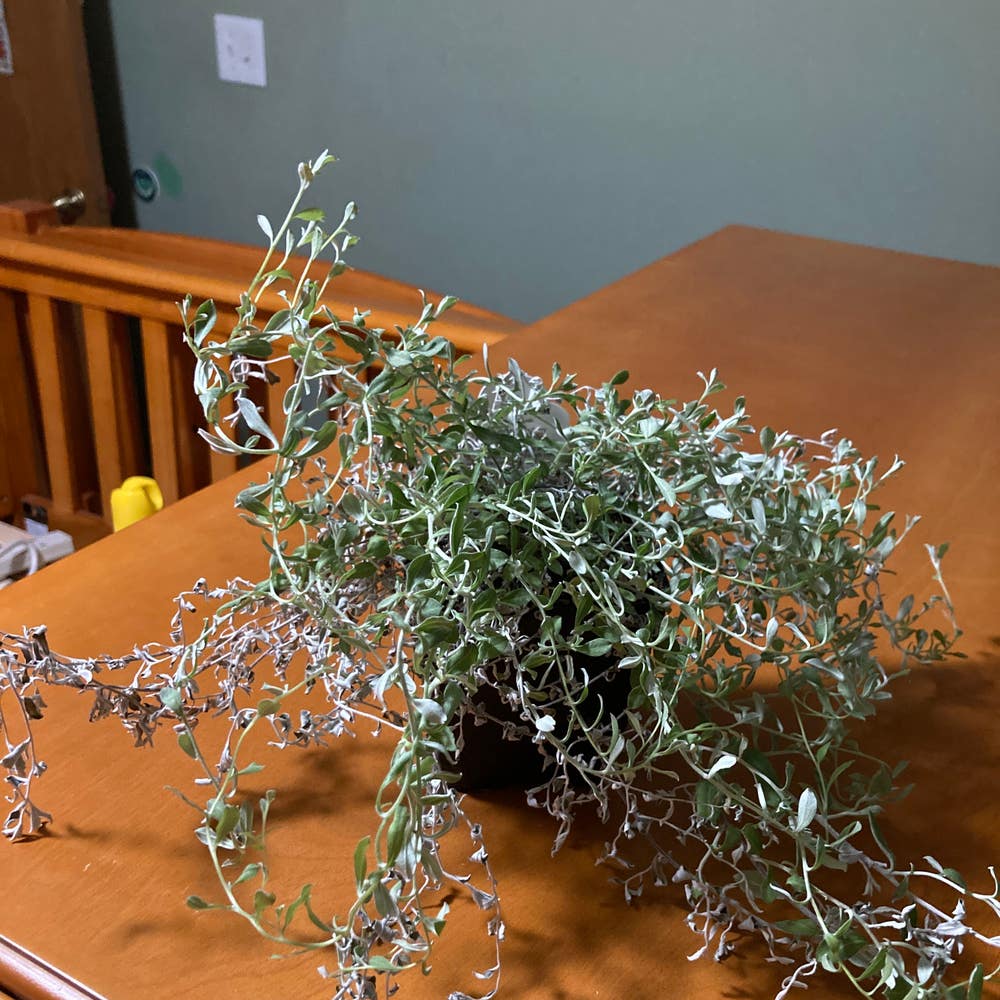
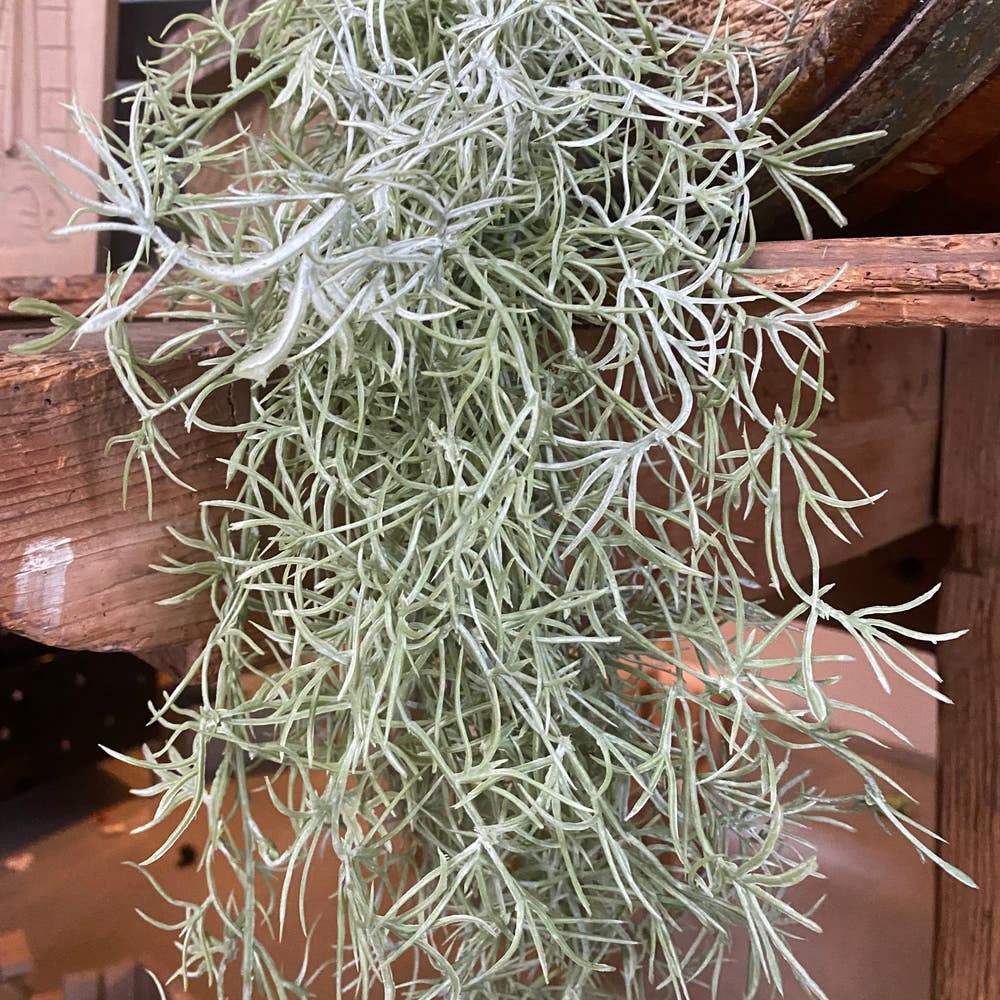
🌻 How to Fix Leaves Falling Over on Your Everlasting Daisy
Helichrysum retortoides
By the Greg Editorial Team
Oct 25, 2024•4 min read
This article was created with the help of AI so we can cover more plants for you. May contain errors. See one? Report it here.
Transform your Everlasting Daisy's health 🌼 with essential tips to prevent drooping leaves and ensure vibrant growth!
- 💧 Overwatering and under-watering both cause drooping leaves; maintain a consistent watering routine.
- 🌱 Nutrient deficiencies can harm your Everlasting Daisy; regular soil testing is crucial.
- 🐛 Pests like aphids lead to drooping; monitor and use organic pest control methods.
Causes of Leaves Falling Over
🌍 Environmental Factors
Overwatering: Symptoms and Solutions
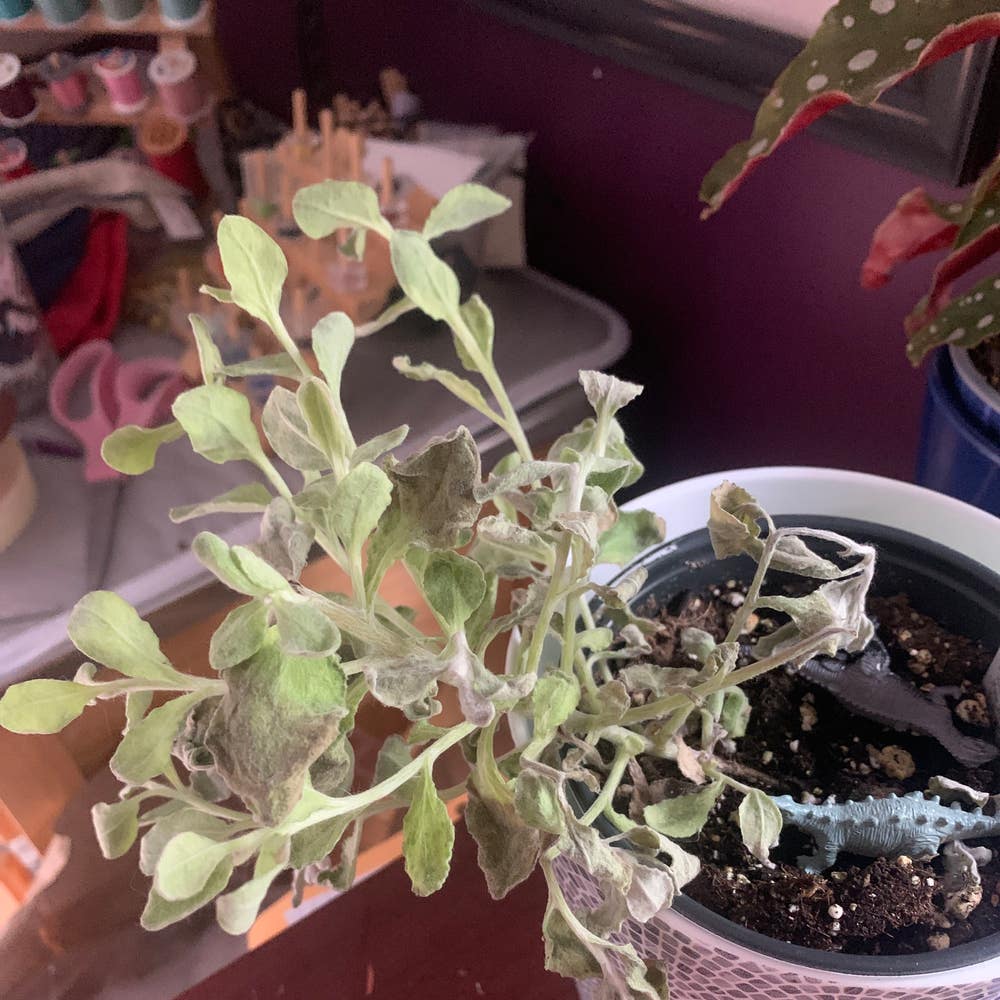
Overwatering is a common culprit behind leaves falling over. Look for symptoms like drooping leaves, yellowing foliage, and mushy stems.
To remedy this, adjust your watering schedule. Improving soil drainage and repotting the plant if root rot is present can also help restore health.
Under-watering: Symptoms and Solutions
On the flip side, under-watering can lead to similar issues. Symptoms include drooping leaves, dry and crispy edges, and wilting.
Establishing a consistent watering routine is key. Techniques for deep watering can also ensure your Everlasting Daisy gets the moisture it needs.
🥦 Nutrient Deficiencies: Identifying and Correcting
Nutrient deficiencies can significantly impact your plant's health. Common deficiencies include nitrogen and phosphorus, which are vital for growth.
To address this, create a fertilization schedule and consider soil testing for necessary adjustments. This proactive approach can keep your plant thriving.
🐞 Pest Infestations: Common Pests and Treatment
Pest infestations can also cause leaves to droop. Common pests like aphids and spider mites can wreak havoc on your Everlasting Daisy.
For treatment, consider organic pest control methods and maintain regular monitoring. Staying vigilant can prevent these pests from taking over.
Understanding these environmental factors is crucial for maintaining the health of your Everlasting Daisy. With the right care, you can ensure your plant stands tall and vibrant. Next, let’s explore preventive measures to keep your plant thriving.
Preventive Measures
Proper Watering Techniques 🌊
Effective watering is crucial for the health of your Everlasting Daisy. Aim to water when the top inch of soil feels dry, ensuring you don’t overwater or underwater.
Use a watering can with a spout for precision. This helps deliver water directly to the roots, avoiding wetting the foliage, which can lead to disease.
Soil Selection and Drainage 🏞️
Choosing the right soil is vital for preventing leaves from falling over. Well-draining soil allows excess water to escape, reducing the risk of root rot.
Consider mixing in perlite or sand to improve drainage. This creates an ideal environment for your plant to thrive.
Fertilization Schedule 🌱
A consistent fertilization schedule supports robust growth. Use a balanced fertilizer during the growing season, typically every 4-6 weeks.
Pay attention to the specific needs of your Everlasting Daisy. Adjust your fertilizer type based on soil tests to ensure optimal nutrient levels.
By implementing these preventive measures, you'll create a strong foundation for your Everlasting Daisy. This proactive approach will help keep those leaves upright and healthy, setting the stage for the next section on support and care techniques.
Support and Care Techniques
🌱 Using Stakes or Supports for Drooping Plants
When your Everlasting Daisy starts to droop, it's time to consider using stakes or supports. These tools can help keep your plants upright, especially during their growth phase or after heavy rain.
Choose from various support types, such as bamboo stakes or garden cages. They provide stability and allow your plants to thrive without bending or breaking.
✂️ Pruning Techniques to Encourage Upright Growth
Pruning is essential for maintaining the health and shape of your Everlasting Daisy. The best time to prune is in early spring before new growth begins.
Use sharp, clean tools to remove any dead or weak stems. This encourages stronger growth and helps the plant focus its energy on producing healthy foliage.
🍂 Seasonal Adjustments for Optimal Health
Adjusting your care routine with the changing seasons is crucial for your plant's well-being. In spring and summer, increase watering and fertilization to support growth.
As temperatures drop in fall and winter, reduce watering and avoid fertilizing. This helps your Everlasting Daisy conserve energy and prepare for dormancy.
By implementing these support and care techniques, you can ensure your Everlasting Daisy remains healthy and vibrant. Next, let's explore preventive measures to keep your plants thriving year-round.
⚠️ Safety First
This content is for general information and may contain errors, omissions, or outdated details. It is not medical, veterinary advice, or an endorsement of therapeutic claims.
Always consult a qualified healthcare professional before using any plant as food, medicine, or supplement.
Never eat any plant (or feed one to pets) without confirming its identity with at least two trusted sources.
If you suspect poisoning, call Poison Control (800) 222-1222, the Pet Poison Helpline (800) 213-6680, or your local emergency service immediately.
Spotted an error? Please report it here.
Keep your Everlasting Daisy thriving and upright 🌼 by using Greg's tailored care reminders to master watering, nutrients, and pest control for a flourishing plant!