🌞 Lifespan of Everlasting Daisy
Helichrysum retortoides
By the Greg Editorial Team
Oct 25, 2024•3 min read
This article was created with the help of AI so we can cover more plants for you. May contain errors. See one? Report it here.
Master the life cycle of Everlasting Daisies 🌼 to transform your garden from seed to stunning bloom!
- 🌱 Everlasting Daisy seeds germinate in 7-14 days under optimal conditions.
- 🌼 Full growth cycle takes 12-16 weeks, from seed to vibrant flowers.
- 🌞 Consistent moisture and proper care are essential for thriving Everlasting Daisies.
Life Cycle of Everlasting Daisy
🌱 Germination Stage
Duration of Germination
The germination of Everlasting Daisy seeds typically takes about 7 to 14 days. This duration can vary based on factors like temperature, moisture, and light exposure.
Conditions for Successful Germination
For optimal germination, maintain a temperature between 20°C and 25°C (68°F to 77°F). Use well-draining, sandy soil with a pH of 6.0 to 7.0, and remember that these seeds require light; surface sowing is recommended.
🌿 Seedling Stage
Characteristics of Seedlings
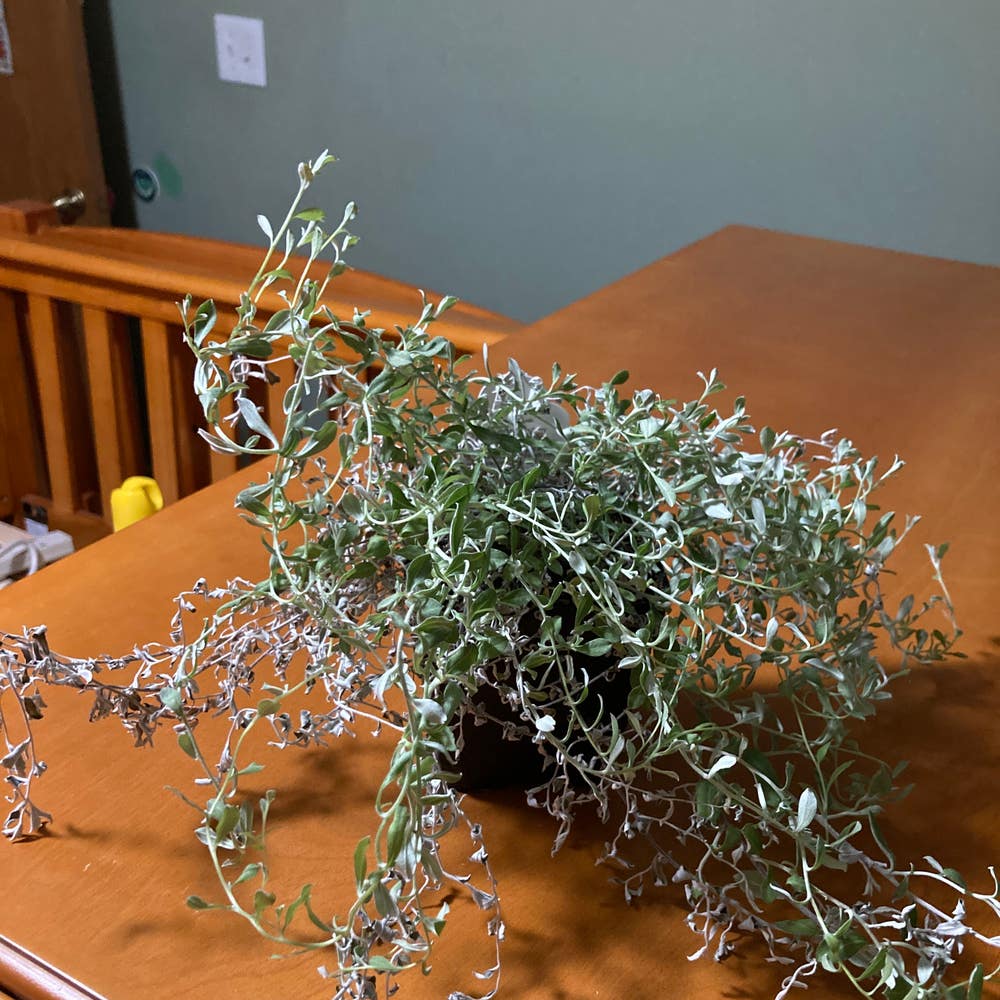
During the seedling stage, you'll notice small, delicate leaves that give the plant a bushy appearance. At this point, seedlings typically reach a height of about 2 to 4 inches.
Duration of the Seedling Stage
This stage usually lasts between 2 to 4 weeks. Healthy seedlings exhibit strong, vibrant green leaves and sturdy stems, indicating they are thriving.
🌳 Vegetative Growth Stage
Growth Patterns and Duration
The vegetative growth stage lasts around 4 to 8 weeks. During this time, the plant can grow to heights of 12 to 24 inches, developing a bushy habit with multiple stems emerging.
Nutritional Needs During This Stage
To support growth, apply a balanced NPK fertilizer every 4 to 6 weeks. Ensure consistent moisture without waterlogging to keep the plants healthy.
🌼 Flowering Stage
Timeframe for Flowering
Expect flowering to begin 10 to 12 weeks after germination. The flowering period lasts about 4 to 6 weeks, influenced by environmental conditions.
Changes in Plant Appearance
As the flowers bloom, you'll see bright yellow, orange, or pink colors. The stems become sturdier, and the leaves may thicken, showcasing the plant's maturity.
🌾 Seed Production Stage
Process of Seed Production
Pollination is primarily carried out by insects, so attracting pollinators is crucial. Seed formation starts after flowering, with seed heads developing as the process unfolds.
Duration and Conditions for Seed Maturation
Seeds typically mature 4 to 6 weeks after flowering. Warm temperatures and adequate moisture are essential for optimal seed development.
⏳ Growth Rate and Notable Changes
Time to Full Maturity
From seed to full maturity, expect a timeline of approximately 12 to 16 weeks. Factors like soil quality, light exposure, and watering practices can significantly influence growth rates.
Physical Changes at Each Growth Stage
- Germination: Emergence of cotyledons.
- Seedling: Development of true leaves.
- Vegetative: Increased height and bushiness.
- Flowering: Appearance of vibrant blooms.
- Color transitions: Brightening of flower colors as they mature.
- Size changes: Significant height increase during vegetative growth.
With a clear understanding of each stage, you're now equipped to nurture your Everlasting Daisy from seed to bloom. Next, let’s explore how to care for these beautiful flowers to ensure they thrive in your garden.
⚠️ Safety First
This content is for general information and may contain errors, omissions, or outdated details. It is not medical, veterinary advice, or an endorsement of therapeutic claims.
Always consult a qualified healthcare professional before using any plant as food, medicine, or supplement.
Never eat any plant (or feed one to pets) without confirming its identity with at least two trusted sources.
If you suspect poisoning, call Poison Control (800) 222-1222, the Pet Poison Helpline (800) 213-6680, or your local emergency service immediately.
Spotted an error? Please report it here.
Nurture your Everlasting Daisies to bloom brilliantly 🌼 with Greg's tailored care tips and reminders, ensuring each growth stage is met with the right attention for a thriving garden!