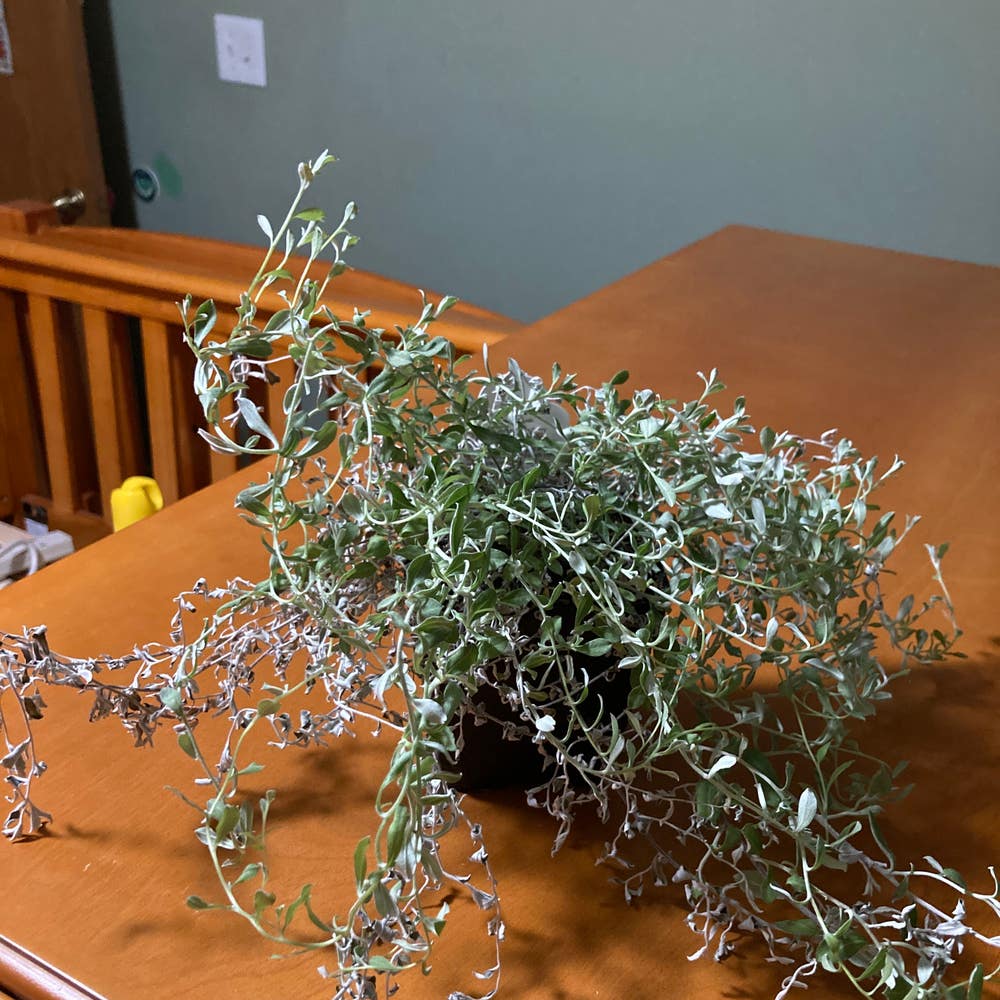
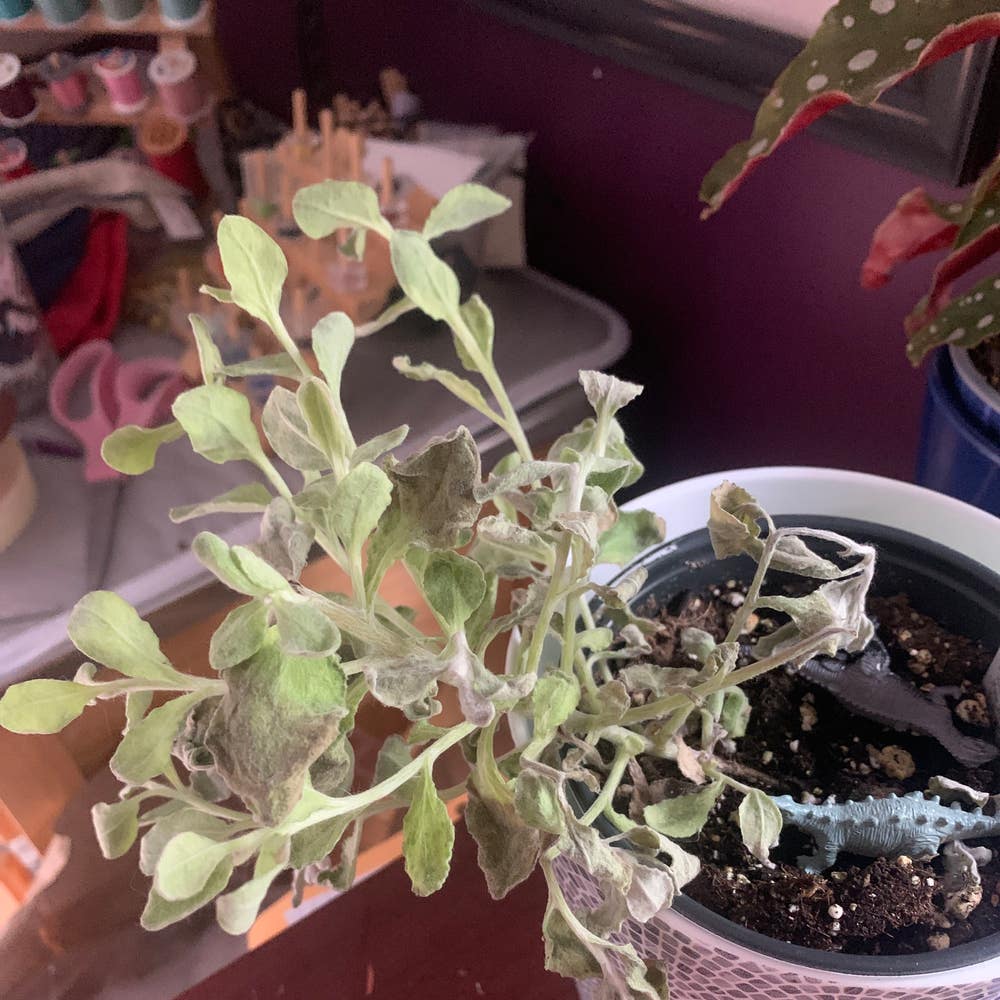
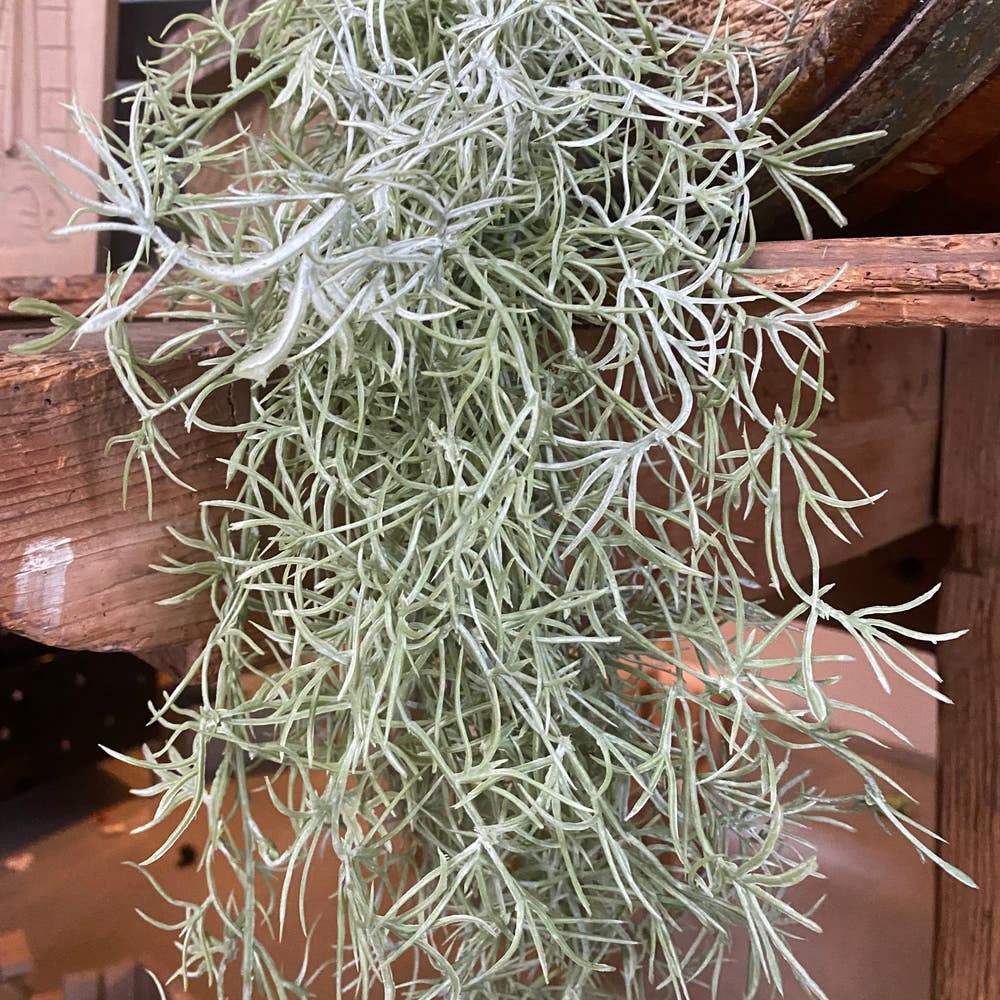
🌼 How to Fix Curling Leaves on Your Everlasting Daisy
Helichrysum retortoides
By the Greg Editorial Team
Oct 25, 2024•4 min read
This article was created with the help of AI so we can cover more plants for you. May contain errors. See one? Report it here.
Transform your Everlasting Daisy's health 🌼 by mastering the art of diagnosing and treating curling leaves!
- 🌱 Curling leaves indicate issues like overwatering, pests, or nutrient deficiencies.
- 💧 Maintain optimal soil moisture with regular checks; aim for moist, not soggy.
- 🐛 Inspect weekly for pests and diseases; use organic methods for control.
Diagnosing Curling Leaves
🌱 Common Causes of Leaf Curl
Curling leaves on your everlasting daisy can signal several underlying issues.
- Overwatering can lead to excess moisture, causing root rot.
- Underwatering stresses the plant, resulting in curled leaves.
- Nutrient Deficiency occurs when essential nutrients like nitrogen or potassium are lacking.
- Pest Infestation from aphids or spider mites can damage leaf health.
- Fungal Diseases such as root rot can also contribute to this problem.
💧 Assessing Soil Moisture Levels
Understanding soil moisture is crucial for plant health.
- Checking Soil Moisture: Use a moisture meter or simply stick your finger into the soil.
- Ideal Moisture Level: Aim for soil that is moist but not soggy.
- Signs of Overwatering: Look for waterlogged soil or a foul smell, indicating root issues.
🐛 Checking for Pests and Diseases
Regular inspections can help catch problems early.
- Visual Inspection: Examine leaves and stems for pests.
- Common Pests: Keep an eye out for aphids and spider mites.
- Signs of Fungal Diseases: Look for dark spots or mold on the soil surface.
🛠️ Treating Curling Leaves
Step-by-Step Guide to Correcting Watering Issues
- Assess Current Watering Schedule: Review how often and how much you water.
- Adjust Watering: Water deeply but less frequently to encourage strong roots.
- Improve Drainage: Mix in perlite or sand to enhance soil drainage.
🧼 Pest Control Methods
Managing pests is essential for healthy plants.
- Organic Options: Consider using neem oil or insecticidal soap.
- Chemical Options: If necessary, use commercial pesticides, following label instructions carefully.
- Regular Monitoring: Check your plants weekly for any signs of pest resurgence.
🌾 Nutrient Management and Fertilization Tips
Proper nutrition supports plant vitality.
- Soil Testing: Test your soil to determine nutrient levels before fertilizing.
- Fertilization Schedule: Apply a balanced fertilizer every 4-6 weeks.
- Signs of Nutrient Deficiency: Watch for yellowing leaves or stunted growth as indicators.
By diagnosing the causes of curling leaves and implementing these treatment strategies, you can help your everlasting daisy thrive. Next, we’ll explore how to prevent future leaf curl through best practices and seasonal care tips.
Preventing Future Leaf Curl
Best Practices for Care 🌱
To keep your Everlasting Daisy thriving, focus on effective watering techniques. Deep watering encourages robust root growth, ensuring your plant can access moisture effectively.
Choosing the right soil is equally important. Opt for well-draining soil mixes to prevent waterlogging, which can lead to curling leaves.
Mulching is another excellent practice. A layer of mulch helps retain moisture and regulates soil temperature, creating a stable environment for your plant.
Seasonal Care Tips to Avoid Stress ☀️
As the seasons change, so should your care routine. During summer, increase your watering frequency to combat heat stress and keep your plant hydrated.
In winter, protect your Everlasting Daisy from frost and cold drafts. This simple step can prevent significant damage to your plant.
Spring is the perfect time for preparation. Prune any dead foliage to promote new growth and rejuvenate your plant for the upcoming season.
Importance of Proper Soil Drainage 🚰
Proper soil drainage is crucial for plant health. Consider using raised beds or pots with drainage holes to ensure excess water can escape.
Be vigilant for signs of poor drainage. Water pooling around your plant or symptoms of root rot can indicate that your soil isn't draining well.
To improve drainage, incorporate organic matter into your soil. This not only enhances drainage but also enriches the soil, providing essential nutrients for your Everlasting Daisy.
By following these preventive measures, you can significantly reduce the risk of curling leaves and ensure your plant remains healthy and vibrant. Next, let’s explore how to monitor your plant's health effectively.
Monitoring Plant Health
Regular Inspection Techniques 🌱
Regular checks are essential for maintaining the health of your Everlasting Daisy. Aim for weekly inspections to spot any signs of leaf curl or pest activity early.
Documenting changes in your plant's condition can be incredibly helpful. Keeping a journal allows you to track progress and identify patterns over time.
Signs of Recovery from Leaf Curl 🌿
As your plant begins to recover, look for new growth. Healthy leaves emerging are a positive indicator that your care is paying off.
Improved color is another sign of recovery. If your Everlasting Daisy returns to a vibrant green, it’s a good sign that it’s regaining its strength.
When to Seek Professional Help 🆘
If issues persist despite your best efforts, it may be time to consult a professional. Persistent problems can indicate deeper issues that require expert intervention.
Severe infestations, such as large pest populations or widespread disease, also warrant professional advice. Local extension services or plant specialists can provide tailored solutions to get your plant back on track.
Monitoring your plant's health is crucial for long-term success. By staying vigilant and proactive, you can ensure your Everlasting Daisy thrives beautifully.
⚠️ Safety First
This content is for general information and may contain errors, omissions, or outdated details. It is not medical, veterinary advice, or an endorsement of therapeutic claims.
Always consult a qualified healthcare professional before using any plant as food, medicine, or supplement.
Never eat any plant (or feed one to pets) without confirming its identity with at least two trusted sources.
If you suspect poisoning, call Poison Control (800) 222-1222, the Pet Poison Helpline (800) 213-6680, or your local emergency service immediately.
Spotted an error? Please report it here.
Keep your everlasting daisy thriving 🌼 by using Greg's personalized watering reminders and pest management tips to prevent curling leaves and promote vibrant growth!