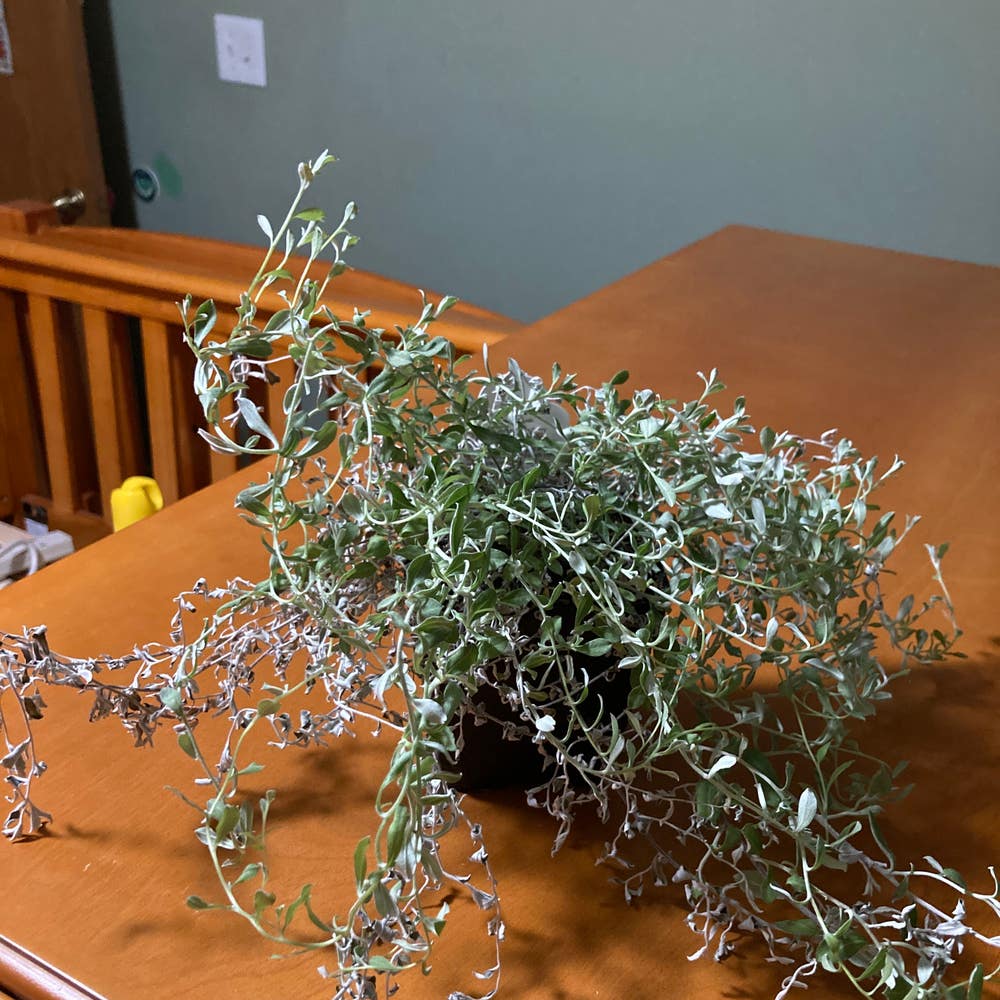
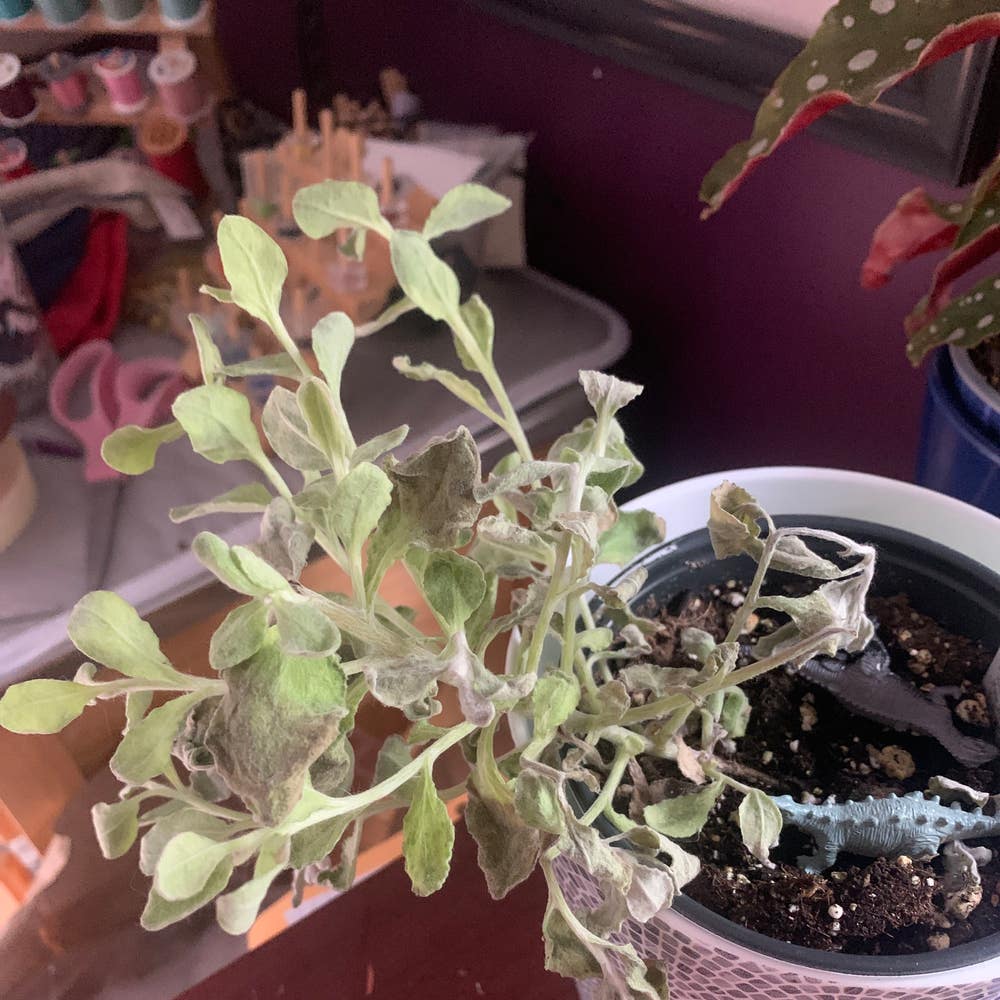
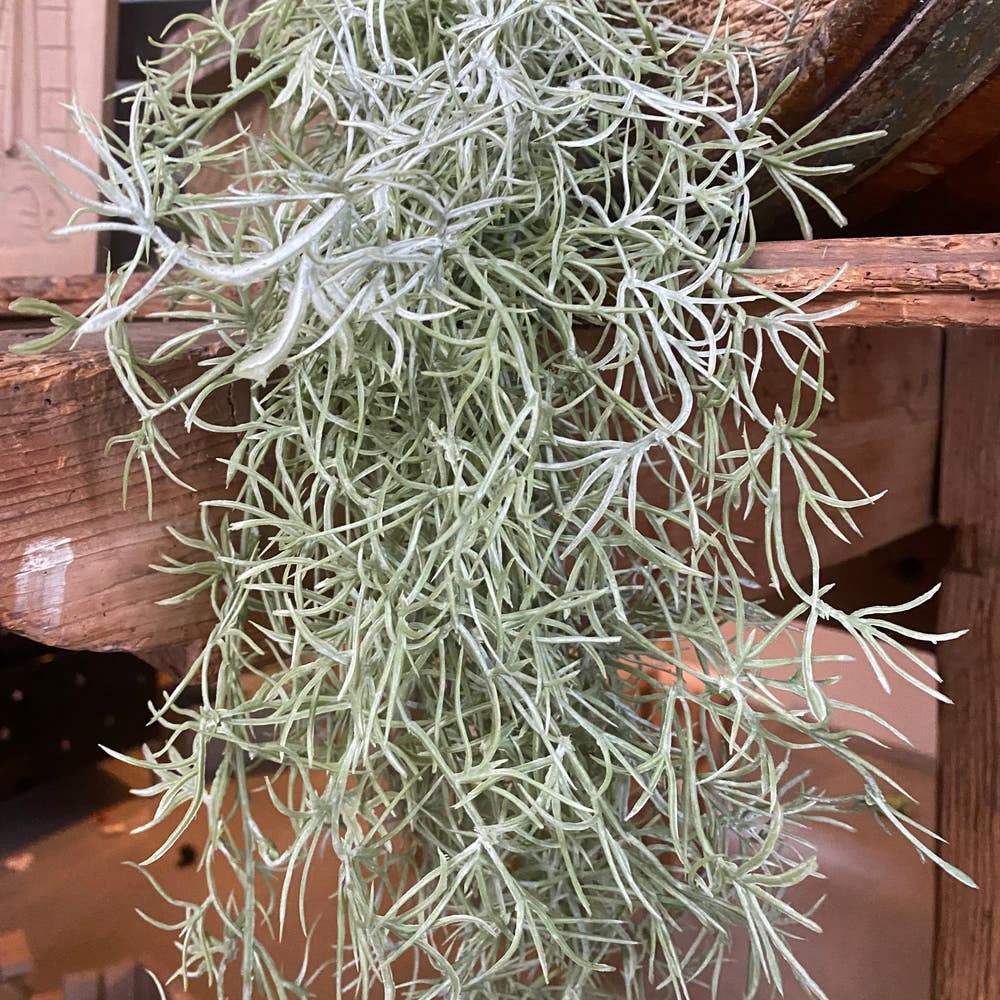
3 Companions to Boost Your Everlasting Daisy's Growth
Helichrysum retortoides
By the Greg Editorial Team
Oct 25, 2024•5 min read
This article was created with the help of AI so we can cover more plants for you. May contain errors. See one? Report it here.
Elevate your garden's beauty and health 🌼 by pairing Everlasting Daisies with ideal companion plants for a thriving ecosystem!
- 🌼 Marigolds and Everlasting Daisies thrive together, enhancing beauty and repelling pests.
- 🐝 Lavender attracts pollinators, boosting biodiversity alongside your Everlasting Daisies.
- 🌿 Companion planting improves soil health, creating a thriving garden ecosystem.
Best Companion Plants for Everlasting Daisy
Plant 1: Marigold 🌼
Marigolds are a gardener's delight, boasting bright, vibrant flowers that beautifully complement the Everlasting Daisy. Their cheerful blooms not only enhance visual appeal but also create a lively garden atmosphere.
Both plants thrive in full sun and well-drained soil, making them perfect companions. This similarity in care ensures that they can flourish side by side without any extra effort.
One of the standout benefits of marigolds is their pest-repelling properties. They are known to deter aphids and nematodes, providing a protective shield for your Everlasting Daisy.
In addition to their protective qualities, marigolds add a splash of color that contrasts beautifully with the Everlasting Daisy's blooms. This visual harmony can elevate the overall aesthetic of your garden.
Plant 2: Lavender 🌸
Lavender is not just an aromatic herb; it’s a pollinator magnet with its stunning purple flowers. This plant attracts bees and butterflies, enhancing the biodiversity of your garden.
Like the Everlasting Daisy, lavender prefers well-drained soil and full sun, making them compatible in terms of care. Both plants are also drought-tolerant, which means less worry about watering.
Lavender also serves as a natural pest repellent. It effectively keeps moths and fleas at bay, creating a protective barrier around your Everlasting Daisy.
Visually, lavender creates a harmonious color palette with its purple hues against the yellow and orange of the Everlasting Daisy. This combination not only looks great but also promotes a thriving ecosystem.
Plant 3: Coneflower 🌻
Coneflowers are hardy perennials known for their daisy-like flowers and medicinal properties. They add a unique charm to your garden while providing health benefits.
These plants thrive in similar soil conditions and sunlight requirements as the Everlasting Daisy. This compatibility makes them an excellent choice for companion planting.
Coneflowers attract beneficial insects while deterring harmful pests, enhancing the overall health of your garden. This natural pest management is a significant advantage for maintaining your Everlasting Daisy.
Visually, coneflowers add height and texture to the garden, enriching the overall aesthetic. Their striking presence can create a layered look that draws the eye and invites exploration.
Incorporating these companion plants not only boosts the growth of your Everlasting Daisy but also enhances the beauty and health of your garden. Next, we’ll explore which plants to avoid near your Everlasting Daisy to ensure optimal growth.
Plants to Avoid Near Everlasting Daisy
🌱 Description of Incompatible Plants
When planning your garden, it’s crucial to know which plants can hinder the growth of your Everlasting Daisy. Some common culprits include nightshades like tomatoes and potatoes, as well as certain herbs such as mint and basil.
🚫 Reasons for Incompatibility
These plants often compete for nutrients and water, which can stunt the growth of your Everlasting Daisy. Additionally, they may attract pests or diseases that could spread to your daisies, jeopardizing their health and vibrancy.
Understanding these incompatibilities helps you create a thriving garden environment. By avoiding these plants, you can ensure your Everlasting Daisy flourishes alongside its ideal companions.
Next, let’s explore how companion planting can effectively manage pests and enhance your garden’s health.
Pest Management through Companion Planting
🌱 How Companion Plants Deter Pests
Companion plants play a crucial role in natural pest control. They can confuse pests with their scents, attract beneficial insects, or even repel harmful ones.
For instance, marigolds emit a strong odor that deters aphids and nematodes. This creates a protective barrier around your Everlasting Daisy, allowing it to thrive without the stress of pest infestations.
🐞 Specific Pests Targeted by Companion Plants
Several common pests can threaten your Everlasting Daisy. Here’s how companion plants help manage them:
Aphids: These tiny pests love to suck the sap from your flowers. Marigolds can effectively repel them, keeping your daisies safe.
Moths: Lavender is known to repel moths, which can lay eggs on your plants. This helps prevent future infestations.
Fleas: Lavender also deters fleas, providing an extra layer of protection for your garden.
By strategically planting companions, you can create a more resilient garden ecosystem. This not only protects your Everlasting Daisy but also enhances the overall health of your garden.
As you explore companion planting, consider how these relationships can foster a thriving environment. Next, we’ll dive into the importance of enhancing garden diversity for a healthier ecosystem.
Enhancing Garden Diversity
Importance of Diverse Planting 🌱
A varied plant palette is essential for a thriving ecosystem. It promotes resilience, attracts beneficial insects, and enhances soil health.
How Companion Planting Contributes to Biodiversity 🌼
Companion plants play a crucial role in attracting diverse pollinators. This not only supports plant reproduction but also fosters a balanced garden environment.
Additionally, these plants improve soil health by enhancing nutrient availability. A rich soil ecosystem helps plants withstand pests and diseases more effectively.
By incorporating companion plants, you create a vibrant, interconnected garden. This diversity not only beautifies your space but also contributes to a healthier environment overall.
As you plan your garden, consider how each plant can work together. This thoughtful approach will lead to a flourishing garden that benefits both you and the ecosystem.
⚠️ Safety First
This content is for general information and may contain errors, omissions, or outdated details. It is not medical, veterinary advice, or an endorsement of therapeutic claims.
Always consult a qualified healthcare professional before using any plant as food, medicine, or supplement.
Never eat any plant (or feed one to pets) without confirming its identity with at least two trusted sources.
If you suspect poisoning, call Poison Control (800) 222-1222, the Pet Poison Helpline (800) 213-6680, or your local emergency service immediately.
Spotted an error? Please report it here.
Boost your Everlasting Daisies' growth with companion plants 🌼 like marigolds and lavender, and let Greg guide you with tailored care tips for a thriving garden!