🌼 Good Temperature Range for Your Everlasting Daisy
Helichrysum retortoides
By the Greg Editorial Team
Oct 25, 2024•5 min read
This article was created with the help of AI so we can cover more plants for you. May contain errors. See one? Report it here.
Protect your Everlasting Daisy from temperature stress 🌡️ and ensure vibrant blooms all year round with these essential tips!
- 🌡️ Heat stress signs include leaf curling and wilting; monitor closely for changes.
- ❄️ Cold stress symptoms are darkened edges and stunted growth; act quickly to protect.
- 🌱 Ideal soil temperature is 15°C to 25°C for optimal Everlasting Daisy health.
Temperature Thresholds for Stress
Signs of Heat Stress 🌡️
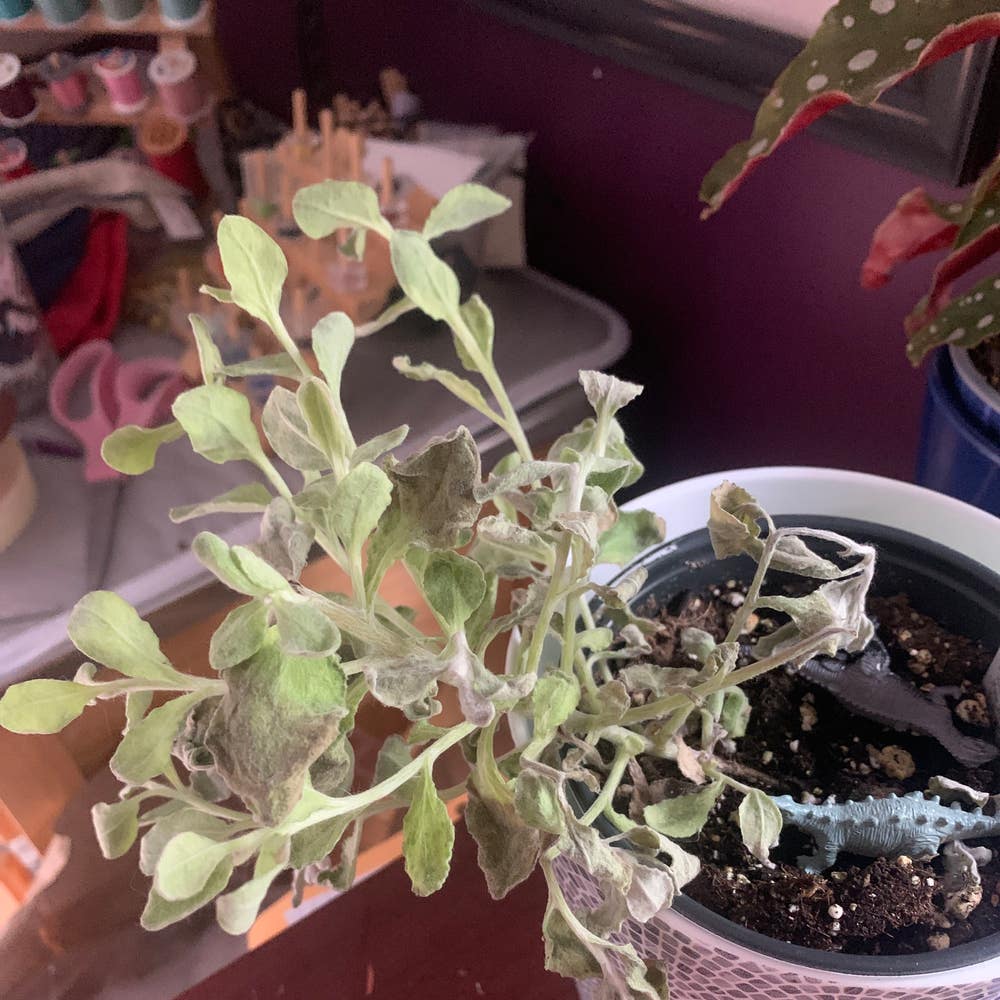
Heat stress can be a real challenge for your Everlasting Daisy. Look out for leaf curling and wilting, which indicate dehydration.
Another telltale sign is faded or bleached leaf color, showing a loss of vibrancy. If you notice premature leaf drop, it’s a clear indication that your plant is struggling, affecting its overall health.
Signs of Cold Stress ❄️
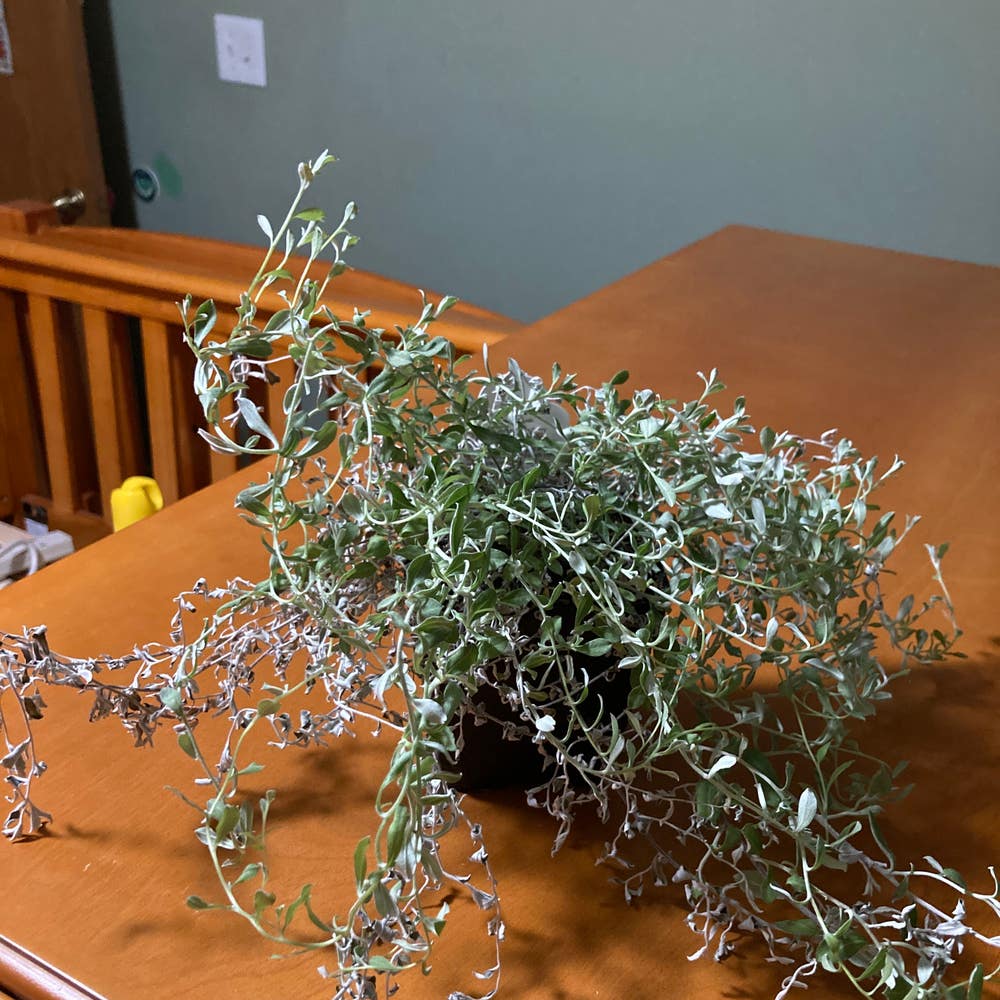
Cold stress presents its own set of symptoms. Leaf discoloration, particularly darkening or browning of the edges, is a common warning sign.
You might also see wilting despite adequate watering, which indicates root stress. Stunted growth is another red flag, signaling reduced vigor and flowering potential.
Comparison of Symptoms for Temperature Extremes ⚖️
Understanding the differences between heat stress and cold stress is crucial. Heat stress often manifests through dehydration signs, while cold stress typically shows up as discoloration and wilting.
Visual indicators can help you differentiate between the two types of stress. Timely intervention is essential to mitigate damage and keep your Everlasting Daisy thriving.
By recognizing these symptoms early, you can take action to protect your plants and ensure their health throughout the seasons.
Causes of Temperature Stress
🌡️ Environmental Factors
Temperature stress in Everlasting Daisies often stems from environmental factors. Direct sunlight during peak hours can lead to overheating, causing significant damage to your plants.
Cold drafts or frost at night can also negatively impact their health. Additionally, fluctuations in soil temperature can disrupt root function, making it crucial to monitor these conditions.
⚡️ Impact of Sudden Temperature Changes
Sudden temperature changes can be detrimental, especially during unexpected weather events like cold snaps or heatwaves. These fluctuations can shock your Everlasting Daisy, making acclimatization essential for their survival.
To protect your plants from sudden shifts, consider using protective coverings or relocating them to more sheltered spots. These strategies can help mitigate the impact of extreme temperature changes.
🌱 Role of Soil Temperature
Soil temperature plays a vital role in the health of your Everlasting Daisy. The ideal range is between 15°C to 25°C (59°F to 77°F), which supports optimal root development and nutrient uptake.
Monitoring soil temperature is crucial for overall plant health. Keeping an eye on these conditions can help you maintain a thriving garden and prevent temperature-related stress.
Understanding these causes of temperature stress will empower you to take proactive measures. This knowledge sets the stage for exploring seasonal temperature considerations next.
Seasonal Temperature Considerations
Temperature Needs During Different Growth Stages 🌡️
Understanding the temperature needs of your Everlasting Daisy is crucial for its growth.
Seedling Stage: This stage requires stable temperatures for successful germination. Fluctuations can hinder growth and lead to weak plants.
Vegetative Stage: Optimal temperatures are vital for robust leaf development. A moderate range encourages healthy foliage, which supports future flowering.
Flowering Stage: Specific temperatures are necessary for blooming success. Too much heat or cold can stunt flower production, impacting overall beauty.
Seasonal Temperature Variations and Their Effects 🌍
Each season brings unique temperature challenges for your Everlasting Daisy.
Spring: Ideal temperatures kickstart growth initiation. This is the time to nurture your plants as they emerge from dormancy.
Summer: Managing heat stress becomes essential during peak temperatures. Providing shade or extra watering can help keep your plants thriving.
Fall/Winter: Preparing for cooler temperatures and potential frost is critical. Protecting your daisies during this time ensures they survive to bloom again.
Preparing for Seasonal Temperature Changes 🛠️
Adapting to seasonal shifts is key to maintaining healthy Everlasting Daisies.
Acclimatization Strategies: Gradually introducing your plants to changing temperatures helps them adjust. This can minimize stress and promote resilience.
Use of Mulch or Protective Coverings: During extreme temperatures, mulch can insulate roots and retain moisture. Protective coverings can shield plants from frost or intense sun.
Timing of Planting and Care Adjustments: Stay informed about seasonal forecasts. Adjust your planting and care routines accordingly to optimize growth and health.
By understanding and responding to seasonal temperature considerations, you can ensure your Everlasting Daisy thrives throughout the year. Next, let’s explore the geographic considerations that influence their growth.
Geographic Considerations
Best Growing Regions 🌍
Identifying the right USDA hardiness zones is crucial for growing Everlasting Daisy successfully. These plants thrive best in zones 3 to 9, where temperatures are moderate and conditions are favorable for growth.
Regions with mild climates, such as parts of California and the Pacific Northwest, offer ideal environments. Here, the balance of sun and shade helps maintain the health of your Everlasting Daisy.
Adaptation Strategies 🛠️
Growing Everlasting Daisy in extreme climates requires some clever techniques. Consider using shade cloths during scorching summers to protect your plants from heat stress.
Microclimates can be your best friend. Planting in sheltered areas, like near walls or under trees, can buffer against temperature extremes and create a more stable environment.
Selecting the right variety is also essential. Some Everlasting Daisy varieties are more resilient to temperature fluctuations, making them better suited for specific conditions.
By understanding your local climate and employing these strategies, you can ensure your Everlasting Daisy flourishes year-round.
As we explore seasonal temperature considerations next, you'll discover how to adapt your care routine throughout the year.
⚠️ Safety First
This content is for general information and may contain errors, omissions, or outdated details. It is not medical, veterinary advice, or an endorsement of therapeutic claims.
Always consult a qualified healthcare professional before using any plant as food, medicine, or supplement.
Never eat any plant (or feed one to pets) without confirming its identity with at least two trusted sources.
If you suspect poisoning, call Poison Control (800) 222-1222, the Pet Poison Helpline (800) 213-6680, or your local emergency service immediately.
Spotted an error? Please report it here.
Keep your Everlasting Daisy thriving year-round 🌞 by using Greg's tailored reminders and environmental insights to master its temperature needs and stress signs!