🌼 Everlasting Daisy: Not an Invasive Plant
Helichrysum retortoides
By the Greg Editorial Team
Oct 25, 2024•5 min read
This article was created with the help of AI so we can cover more plants for you. May contain errors. See one? Report it here.
Create a vibrant, eco-friendly garden with the non-invasive Everlasting Daisy 🌼—a true ally for biodiversity!
- 🌼 Everlasting Daisy is non-invasive, perfect for sustainable and tidy gardening.
- 🌱 Thrives in poor soil with minimal watering, making it low-maintenance and eco-friendly.
- 🐝 Attracts pollinators, enhancing biodiversity and supporting local ecosystems in your garden.
Plant Classification
Definition of Invasive Plants 🌱
Invasive plants are species that spread aggressively beyond their native range. They often outcompete local flora, disrupting ecosystems and harming biodiversity.
Characteristics of Everlasting Daisy 🌼
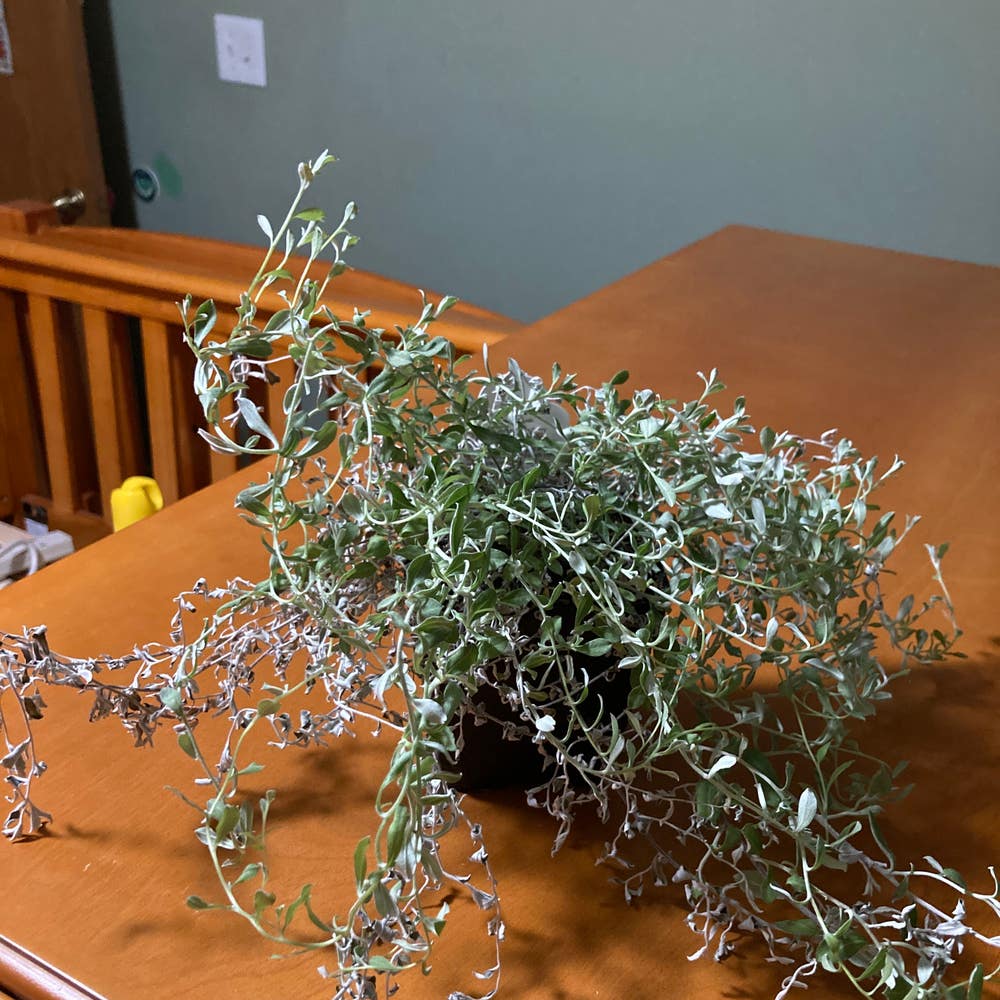
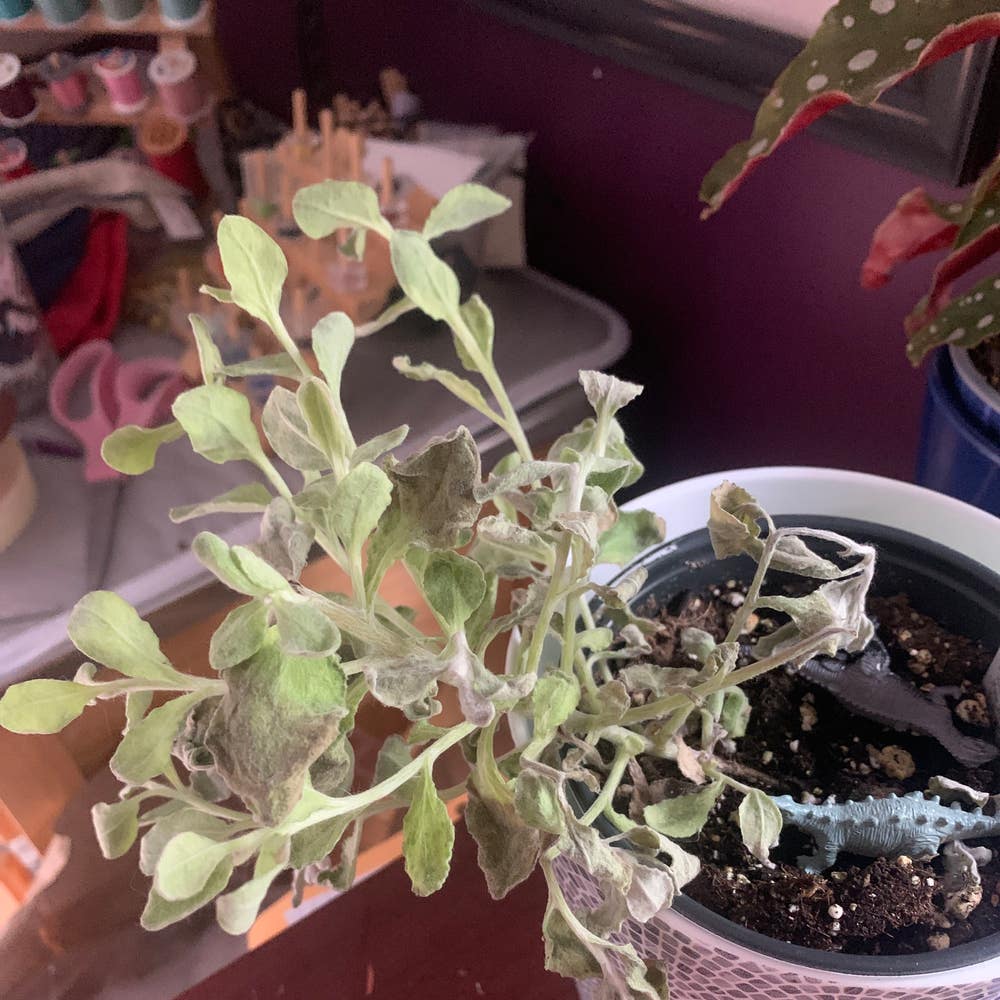
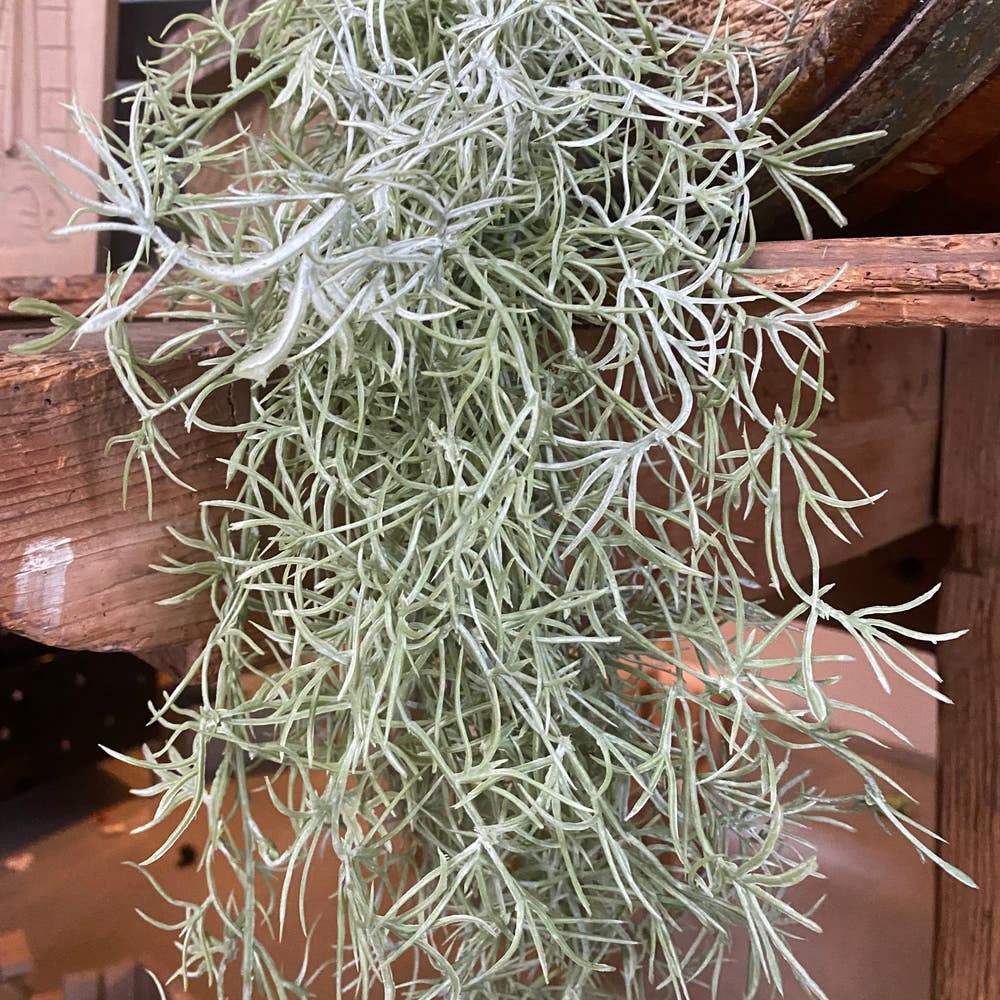
The Everlasting Daisy stands out for its non-invasive nature. It grows in clumps, showing limited spread potential and never overtaking other plants.
This resilient perennial thrives in poor soil conditions without dominating the landscape. Its ability to coexist harmoniously with other flora makes it a valuable addition to any garden.
By understanding these characteristics, gardeners can appreciate why the Everlasting Daisy is a fantastic choice for sustainable gardening practices.
Growth Habits
🌱 Typical Growth Patterns in Gardens
Everlasting Daisy is a clump-forming perennial that typically reaches heights of 12 to 24 inches. Its flowering season spans from late spring to early fall, ensuring your garden remains vibrant for months.
This plant is also drought-tolerant, requiring minimal watering once established. It thrives in well-drained soil, making it an excellent choice for low-maintenance gardens.
🌿 Natural Limits to Growth and Spread Potential
One of the standout features of Everlasting Daisy is its limited spread. It tends to grow in defined areas without aggressively colonizing, which is a relief for gardeners looking to maintain control.
In terms of environmental preferences, this plant thrives in full sun and can tolerate poor soil conditions. However, it does not spread uncontrollably, allowing for a harmonious garden environment.
With these growth habits, Everlasting Daisy proves to be a reliable and aesthetically pleasing addition to any garden. Next, let’s explore its ecological role and the benefits it brings to local wildlife.
Ecological Role
🐝 Benefits to Local Wildlife
Everlasting Daisy plays a vital role in supporting local wildlife. Its vibrant flowers attract bees and butterflies, enhancing biodiversity in your garden.
These pollinators are essential for plant reproduction, making Everlasting Daisy a key player in maintaining healthy ecosystems. Additionally, the plant provides shelter and food sources for beneficial insects, creating a thriving habitat.
🌼 Positive Interactions with Other Plants
When it comes to companion planting, Everlasting Daisy shines. It pairs beautifully with other drought-tolerant and pollinator-friendly plants, creating a harmonious garden environment.
This interaction not only enhances the aesthetic appeal but also contributes to a balanced ecosystem. By supporting various species, Everlasting Daisy helps cultivate a rich biodiversity that benefits your garden and the surrounding environment.
Incorporating this plant into your garden design not only beautifies your space but also fosters a thriving community of wildlife. As we explore garden management next, consider how these ecological benefits can influence your planting choices.
Garden Management
Methods for Incorporating Everlasting Daisy into Garden Designs 🌼
Everlasting Daisy is a versatile plant that can enhance various garden designs. Consider using it in borders, rock gardens, or as ground cover in sunny areas to create a vibrant landscape.
Pairing Everlasting Daisy with other perennial flowers can elevate your garden's aesthetic. The combination of colors and textures will provide a stunning visual display throughout the growing season.
Considerations for Controlling Growth for Aesthetic Purposes ✂️
To maintain a tidy appearance, regular pruning is essential. Deadheading encourages more blooms and helps the plant maintain its shape, ensuring it looks its best.
Spacing is another crucial factor in garden management. Plant Everlasting Daisy at appropriate distances of 12-18 inches apart to prevent overcrowding and allow each plant to thrive.
Incorporating these management techniques will not only enhance your garden's beauty but also ensure that Everlasting Daisy remains a non-invasive and beneficial addition. As you plan your garden, consider how these strategies can create a harmonious and vibrant space.
Comparison to Other Plants
🌱 Similar Non-Invasive Plants for Comparison
When considering non-invasive plants, Everlasting Daisy stands out alongside other drought-tolerant options like Lavender and Yarrow. Each of these plants thrives in similar conditions, but Everlasting Daisy offers unique benefits.
Lavender is known for its fragrant blooms and aromatic leaves, while Yarrow provides a burst of color and attracts beneficial insects. However, Everlasting Daisy distinguishes itself with its long-lasting flowers that maintain their vibrant hues even when dried, making them perfect for arrangements.
🌼 Unique Qualities of Everlasting Daisy
One of the most striking features of Everlasting Daisy is its distinctive flower structure. The blooms are resilient, retaining their color and shape long after being cut, which adds a unique touch to any garden or floral display.
Additionally, Everlasting Daisy is low-maintenance, requiring less care than many other flowering perennials. This makes it an ideal choice for gardeners looking to create a beautiful landscape without the hassle of constant upkeep.
As you explore the possibilities of incorporating Everlasting Daisy into your garden, consider how its unique qualities can enhance your outdoor space. Next, we’ll delve into the legal and environmental considerations for planting this delightful flower.
Legal and Environmental Considerations
Relevant Classifications and Guidelines for Planting 🌱
When planning your garden, it's essential to be aware of local regulations regarding non-invasive plant species. Many regions have guidelines that encourage the use of native and non-invasive plants to protect local ecosystems.
Selecting plants like the Everlasting Daisy not only complies with these regulations but also enhances your garden's sustainability. By choosing non-invasive options, you contribute to a healthier environment and help preserve local flora.
Role in Sustainable Gardening Practices 🌍
Incorporating Everlasting Daisy into your garden supports biodiversity, making it a haven for local wildlife. Its vibrant blooms attract pollinators, which are crucial for maintaining healthy ecosystems.
Additionally, this plant is ideal for xeriscaping due to its low water usage. By choosing drought-tolerant species, you can create an environmentally friendly garden that thrives with minimal resources.
As you consider your garden's design, remember that every plant choice can make a difference. Opting for non-invasive species like the Everlasting Daisy not only beautifies your space but also fosters a more sustainable future.
Transitioning to the next topic, let’s explore how to effectively manage and incorporate Everlasting Daisy into your garden designs.
⚠️ Safety First
This content is for general information and may contain errors, omissions, or outdated details. It is not medical, veterinary advice, or an endorsement of therapeutic claims.
Always consult a qualified healthcare professional before using any plant as food, medicine, or supplement.
Never eat any plant (or feed one to pets) without confirming its identity with at least two trusted sources.
If you suspect poisoning, call Poison Control (800) 222-1222, the Pet Poison Helpline (800) 213-6680, or your local emergency service immediately.
Spotted an error? Please report it here.
Discover the vibrant beauty of the Everlasting Daisy 🌼 while Greg provides tailored care reminders to help your garden flourish sustainably!