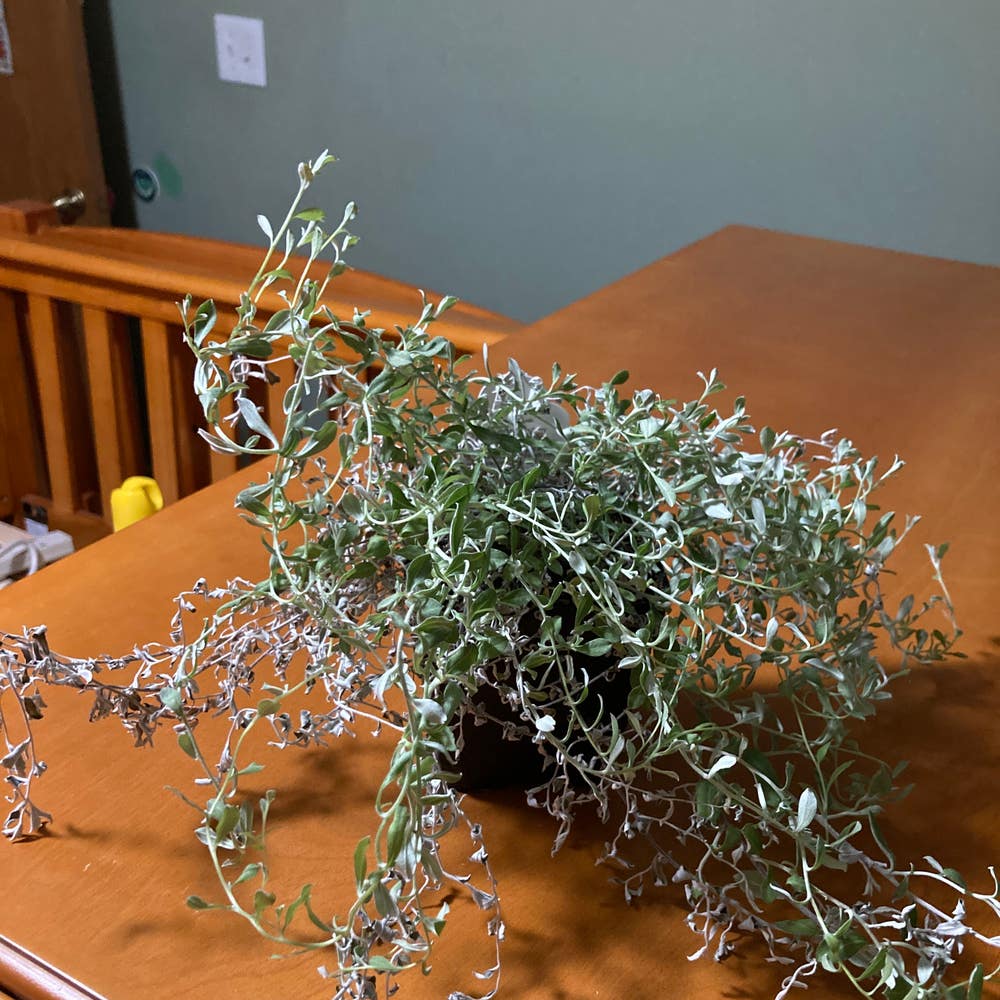
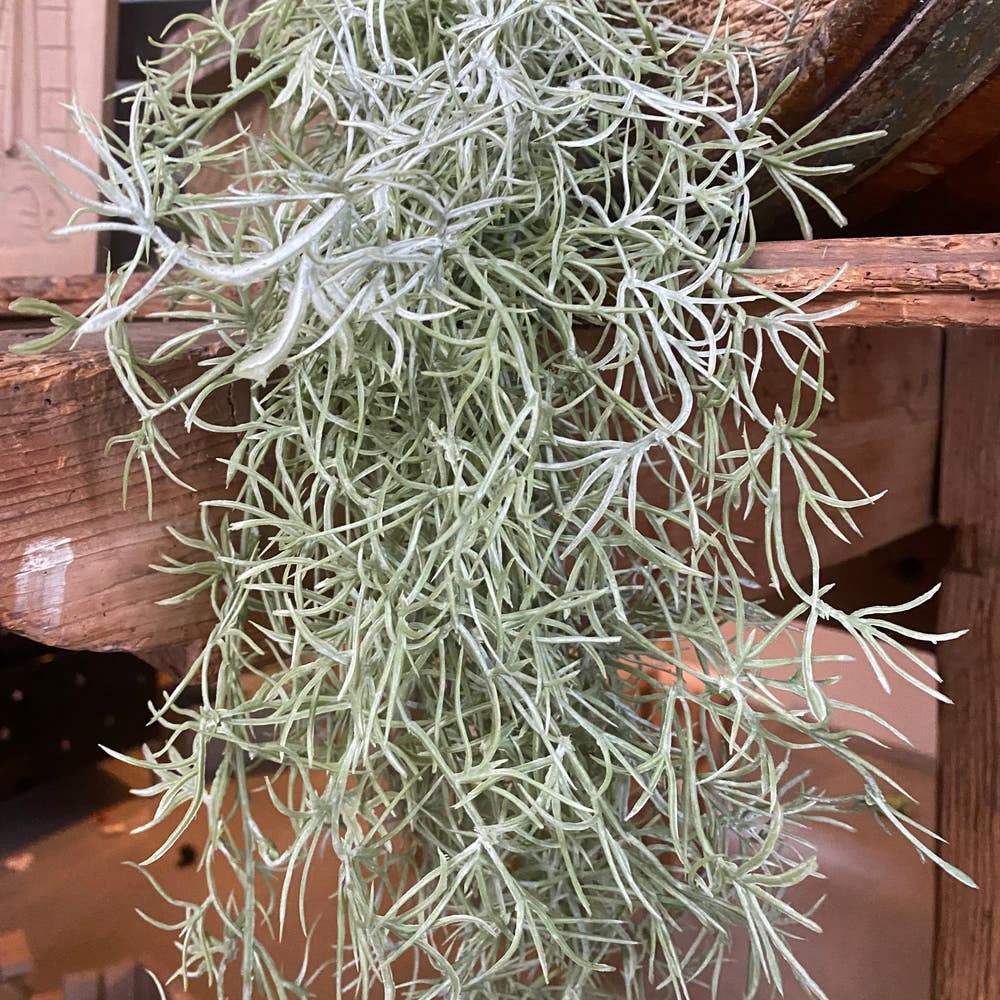
Managing Direct Sunlight for Your Everlasting Daisy ☀️
Helichrysum retortoides
By the Greg Editorial Team
Oct 25, 2024•2 min read
This article was created with the help of AI so we can cover more plants for you. May contain errors. See one? Report it here.
Unlock vibrant blooms 🌼 by mastering the sunlight needs of your everlasting daisies for optimal growth!
- 🌞 Everlasting daisies need 6-8 hours of bright light daily for optimal growth.
- 🌿 Leaf scorch indicates too much direct sunlight; monitor for brown, crispy edges.
- 🪟 Window direction affects sunlight exposure; south-facing is best for these flowers.
Sunlight Requirements of Everlasting Daisy
🌞 Direct Sunlight Needs
Everlasting daisies thrive on 6-8 hours of bright light daily. They flourish best with a combination of direct and indirect sunlight, creating an ideal environment for growth.
🌤️ Tolerance Levels for Direct Sunlight
These resilient flowers can tolerate direct sunlight but may become sensitive to excessive exposure. Different varieties exhibit varying tolerances; some can handle more sun than others, so it's essential to know your specific type.
🔆 Effects of Too Much Direct Sunlight
Too much direct sunlight can lead to several issues.
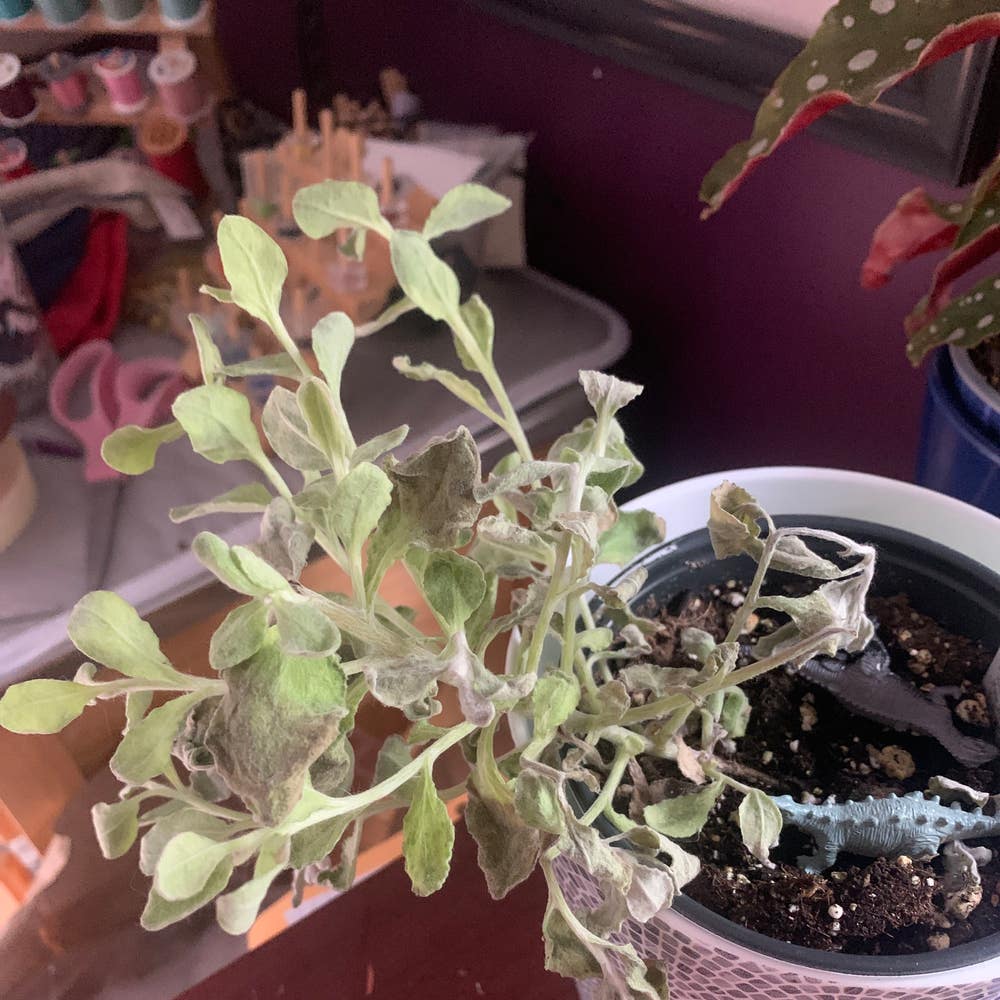
- Leaf scorch manifests as brown, crispy edges on leaves, indicating stress.
- Wilting or drooping signals that the plant is struggling with excessive heat.
- Reduced blooming occurs when flowers fail to last or bloom at all, diminishing their beauty.
Understanding these factors will help you create the perfect environment for your everlasting daisies. By managing their sunlight exposure, you can ensure vibrant blooms and healthy growth. Next, let’s explore how environmental factors influence sunlight exposure for your daisies.
Environmental Factors
🌞 Role of Window Direction in Sunlight Exposure
The direction your windows face plays a crucial role in how much sunlight your Everlasting Daisy receives.
- South-facing windows: These are the champions, soaking up the most direct sunlight throughout the day.
- East-facing windows: They offer a gentle morning light, perfect for a slow start.
- West-facing windows: Expect intense afternoon sunlight, which can be a bit harsh.
- North-facing windows: Typically, these provide only indirect sunlight, which may not be enough for optimal growth.
🌍 Impact of Hemisphere on Sunlight Intensity and Duration
The hemisphere you’re in significantly affects your plant's sunlight exposure.
- In the Northern Hemisphere, summer days are longer, giving your Everlasting Daisy plenty of light, while winter days are shorter, reducing exposure.
- Conversely, the Southern Hemisphere experiences the opposite seasonal effects. Always consider local climate variations when planning your plant care.
🍂 Seasonal Variations in Sunlight
Seasons change, and so does the intensity of sunlight.
- During spring and summer, sunlight is more intense, so keep an eye out for any signs of stress in your plants.
- In fall and winter, sunlight diminishes, which may require you to adjust your plant's placement to ensure it gets enough light.
Understanding these environmental factors will help you create the ideal conditions for your Everlasting Daisy to thrive. Next, let’s explore how to manage direct sunlight effectively for optimal growth.
⚠️ Safety First
This content is for general information and may contain errors, omissions, or outdated details. It is not medical, veterinary advice, or an endorsement of therapeutic claims.
Always consult a qualified healthcare professional before using any plant as food, medicine, or supplement.
Never eat any plant (or feed one to pets) without confirming its identity with at least two trusted sources.
If you suspect poisoning, call Poison Control (800) 222-1222, the Pet Poison Helpline (800) 213-6680, or your local emergency service immediately.
Spotted an error? Please report it here.
Ensure your everlasting daisies get the perfect sunlight balance ☀️ with Greg's tailored care reminders, so they bloom vibrantly and thrive beautifully!