🌼 Best Tips for Dealing with Black Spots on Everlasting Daisy
Helichrysum retortoides
By the Greg Editorial Team
Oct 25, 2024•5 min read
This article was created with the help of AI so we can cover more plants for you. May contain errors. See one? Report it here.
Revitalize your Everlasting Daisy by mastering black spot care for lush, vibrant blooms! 🌼✨
- 🌱 Regular inspections help identify black spots and assess Everlasting Daisy health.
- 🦠 Differentiate infections by examining spot characteristics for effective treatment.
- 🌞 Ensure 6 hours of sunlight daily to promote optimal growth and prevent issues.
Diagnosing Black Spots
🔍 How to Examine Leaves for Black Spots
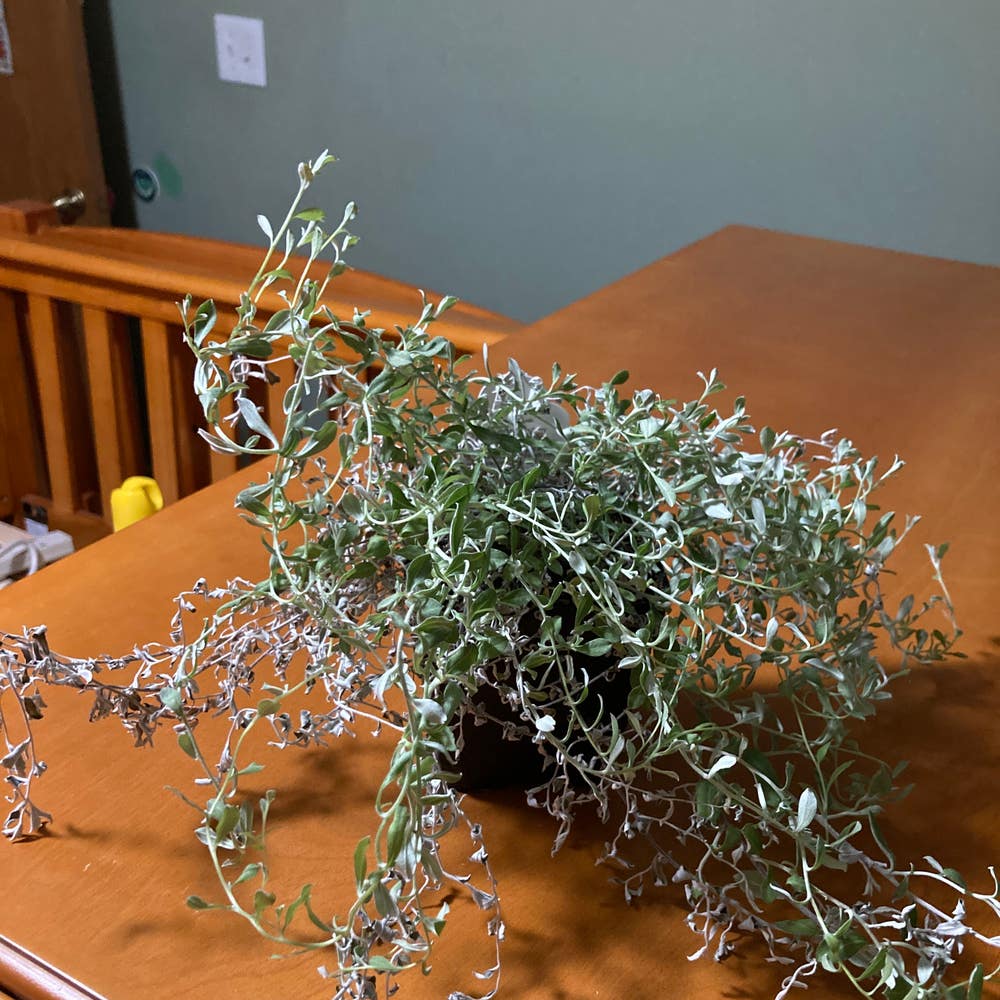
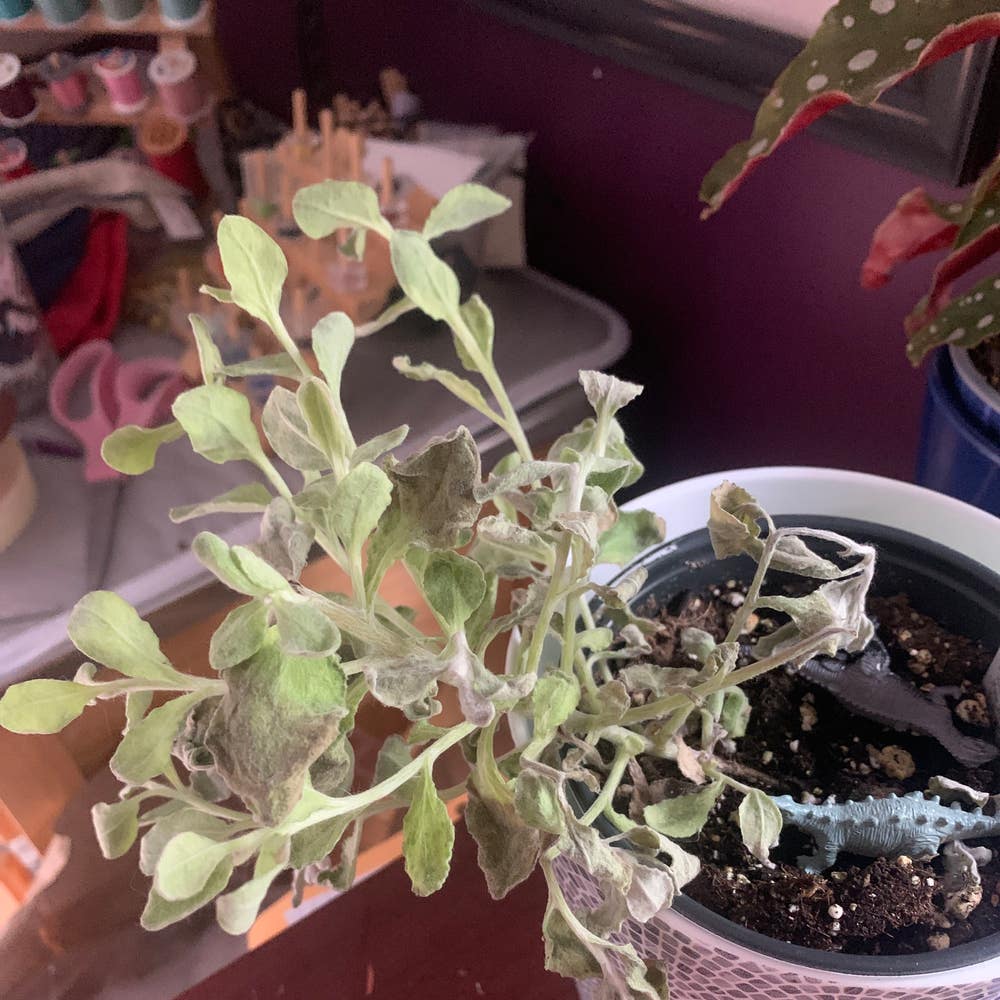
Inspecting your Everlasting Daisy leaves is crucial for identifying black spots. Start by looking for patterns of spots on older versus newer leaves; older leaves may show more damage.
Next, check for additional symptoms like wilting or discoloration. This can indicate a more serious issue affecting the overall plant health.
Always use clean tools when examining your plants. This helps avoid cross-contamination and ensures accurate diagnosis.
🦠 Differentiating Between Fungal and Bacterial Infections
Understanding the type of infection is key to effective treatment. Fungal infections often show spore formation and spreading patterns, which can be quite distinct.
In contrast, bacterial infections present as water-soaked lesions with irregular shapes. If you're unsure, don’t hesitate to seek a professional diagnosis for clarity.
🐛 Identifying Other Potential Causes
Sometimes, black spots can be a sign of other issues. Common pests, such as aphids or spider mites, may cause leaf damage, so look for signs like holes or webbing.
Nutrient deficiencies can also mimic leaf spot disease. Testing your soil for nutrient levels can help you identify if this is the underlying problem.
By carefully examining your plants and their environment, you can pinpoint the cause of black spots and take appropriate action. This proactive approach sets the stage for effective treatment and prevention strategies.
Treating Black Spots
🛠️ Step-by-Step Treatment Options
Dealing with black spots on your Everlasting Daisy requires a systematic approach. Start by removing affected leaves; this not only improves the plant's appearance but also prevents the spread of disease.
Next, apply organic fungicides. Look for products specifically designed for leaf spot issues and follow the application instructions closely. Finally, adjust your watering practices to ensure the soil maintains proper moisture levels without becoming waterlogged.
🌱 Recommended Organic Fungicides
Using organic fungicides can be a game-changer for your Everlasting Daisy. Some effective options include:
- Neem Oil: Known for its antifungal properties, it can be applied every 7-14 days.
- Baking Soda Solution: Mix one tablespoon of baking soda with a gallon of water and spray weekly.
Organic options are not only safer for the environment but also promote healthier plant growth compared to chemical treatments.
🏡 Home Remedies for Black Spots
You don’t always need to rush to the store for treatments. Common household items can effectively combat black spots:
- Baking Soda Solution: As mentioned, mix one tablespoon of baking soda with a gallon of water. Spray it on affected areas to help reduce fungal growth.
- Neem Oil: This natural remedy works wonders. Dilute it according to package instructions and apply it to the leaves, focusing on the undersides where pests often hide.
These remedies are simple, cost-effective, and can be easily integrated into your gardening routine.
✂️ Importance of Proper Pruning
Pruning is crucial for maintaining the health of your Everlasting Daisy. Effective pruning techniques improve air circulation, which helps prevent moisture buildup that fosters disease.
Aim to prune during the growing season, removing any dead or diseased leaves. Regular pruning not only keeps your plant healthy but also encourages new growth, making your garden look vibrant and lively.
By following these treatment strategies, you can effectively manage black spots and keep your Everlasting Daisy thriving. Next, let’s explore how to prevent these issues from arising in the first place.
Preventing Black Spots
🌧️ Best Practices for Watering and Soil Management
Watering your Everlasting Daisy correctly is crucial for preventing black spots. Aim for consistent moisture without waterlogging; this means watering when the top inch of soil feels dry.
Well-draining soil is essential. If your soil retains too much water, consider adding amendments like perlite or sand to improve drainage and overall health.
☀️ Ideal Sunlight and Temperature Conditions
Everlasting Daisies thrive in full sunlight. Aim for at least six hours of direct sunlight daily to keep your plants vibrant and healthy.
Seasonal changes can affect sunlight exposure. Be prepared to adjust your plant's placement to ensure they receive optimal light throughout the year.
🌱 Crop Rotation and Companion Planting Strategies
Crop rotation is a smart strategy for disease prevention. By changing the location of your Everlasting Daisies each season, you disrupt the life cycles of pests and pathogens.
Companion planting can also enhance your garden's health. Consider planting with herbs like basil or marigolds, which can deter pests and promote a thriving ecosystem around your Everlasting Daisies.
By following these preventive measures, you can significantly reduce the risk of black spots and keep your Everlasting Daisies flourishing. Next, let’s explore how to maintain overall plant health for long-lasting beauty.
Maintaining Overall Plant Health
🌱 Nutrient Requirements for Everlasting Daisy
Essential nutrients play a crucial role in the health of your Everlasting Daisy. Key nutrients include nitrogen for leaf growth, phosphorus for root development, and potassium for overall plant vigor.
To keep your plants thriving, consider using a balanced fertilizer every 4-6 weeks during the growing season. Look for signs of nutrient deficiencies, such as yellowing leaves or stunted growth, and adjust your fertilization routine accordingly.
🌬️ Importance of Good Air Circulation
Good air circulation is vital for preventing diseases and promoting healthy growth. Ensure that your plants have enough space between them to allow air to flow freely.
Consider arranging your plants in a way that maximizes exposure to breezes. This simple technique can significantly reduce the risk of fungal infections and improve overall plant health.
🔍 Regular Monitoring and Care Routines
Establishing a regular monitoring routine is essential for maintaining plant health. Aim for weekly checks to look for pests, diseases, or any signs of stress.
Consistency is key. By keeping a close eye on your Everlasting Daisy, you can catch potential issues early and ensure your plants remain vibrant and healthy.
As you implement these practices, you'll create a thriving environment for your Everlasting Daisy, setting the stage for effective prevention of black spots and other issues. Next, let’s explore best practices for watering and soil management to further enhance your plant care routine.
⚠️ Safety First
This content is for general information and may contain errors, omissions, or outdated details. It is not medical, veterinary advice, or an endorsement of therapeutic claims.
Always consult a qualified healthcare professional before using any plant as food, medicine, or supplement.
Never eat any plant (or feed one to pets) without confirming its identity with at least two trusted sources.
If you suspect poisoning, call Poison Control (800) 222-1222, the Pet Poison Helpline (800) 213-6680, or your local emergency service immediately.
Spotted an error? Please report it here.
Keep your Everlasting Daisy spotless 🌼 by using Greg's tailored care reminders and expert tips to tackle black spots and ensure vibrant growth!